Last updated November 20, 2026
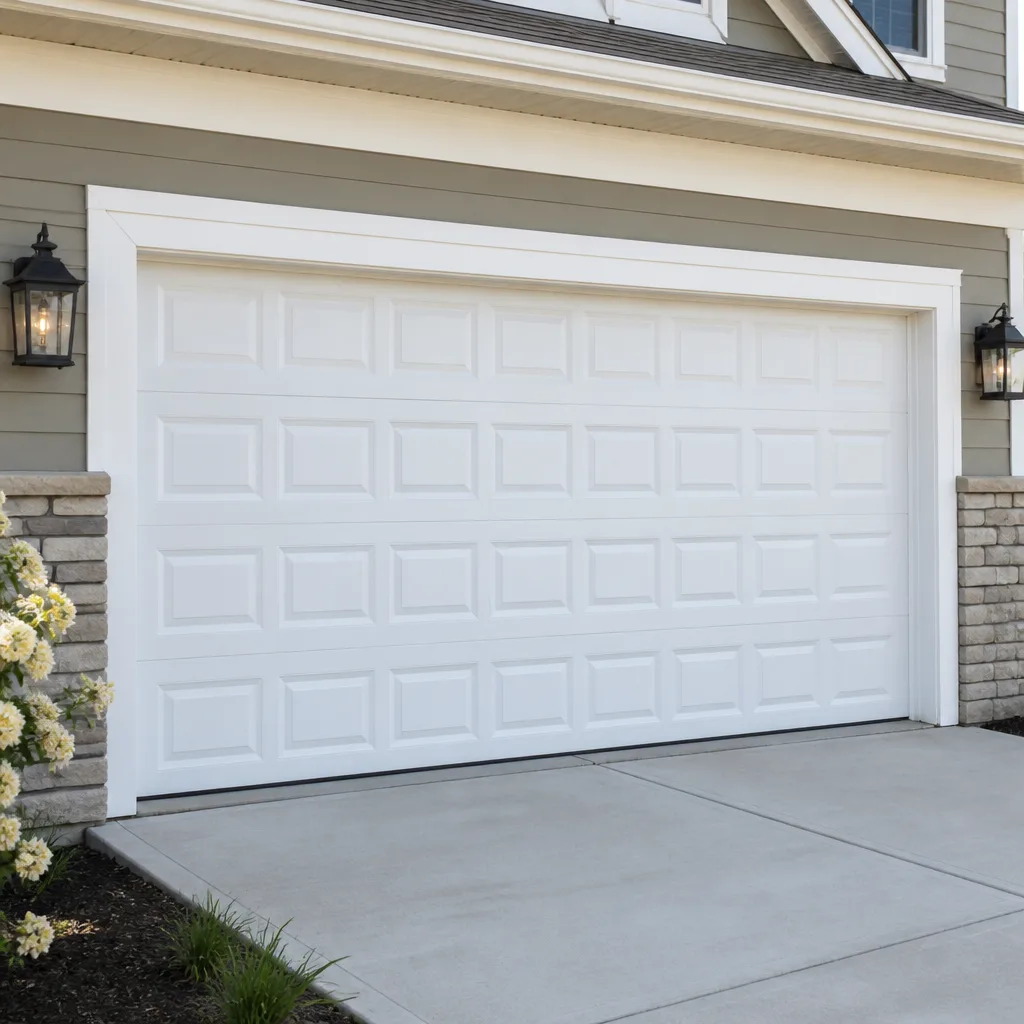 Raised-panel steel
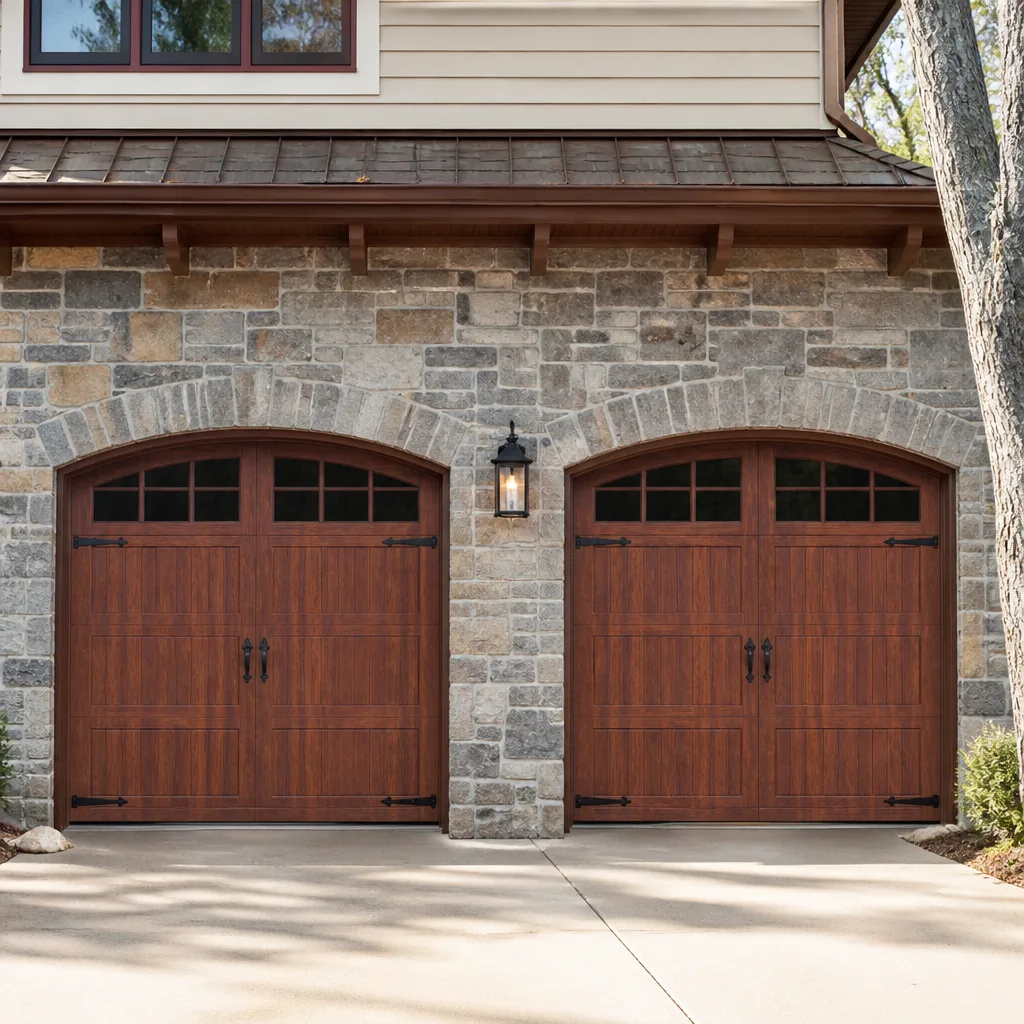 Carriage house
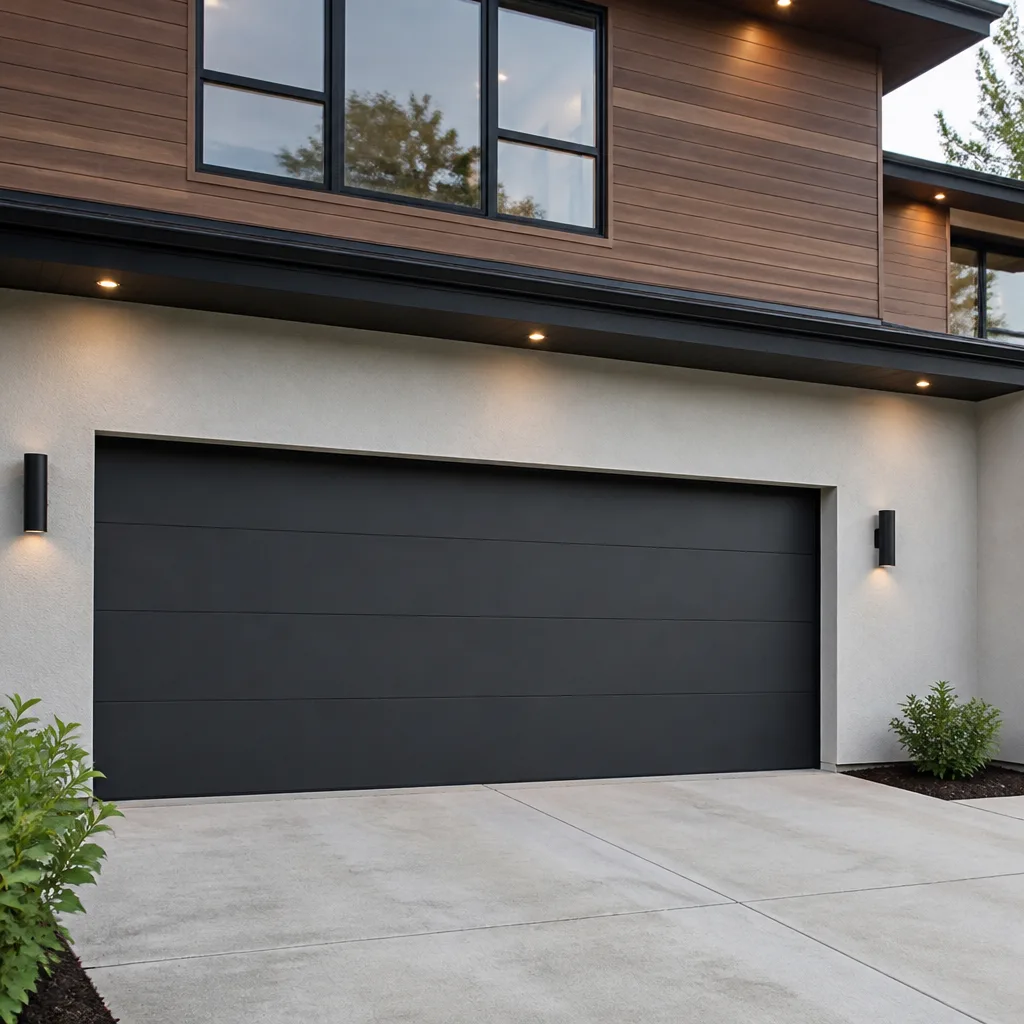 Modern flush
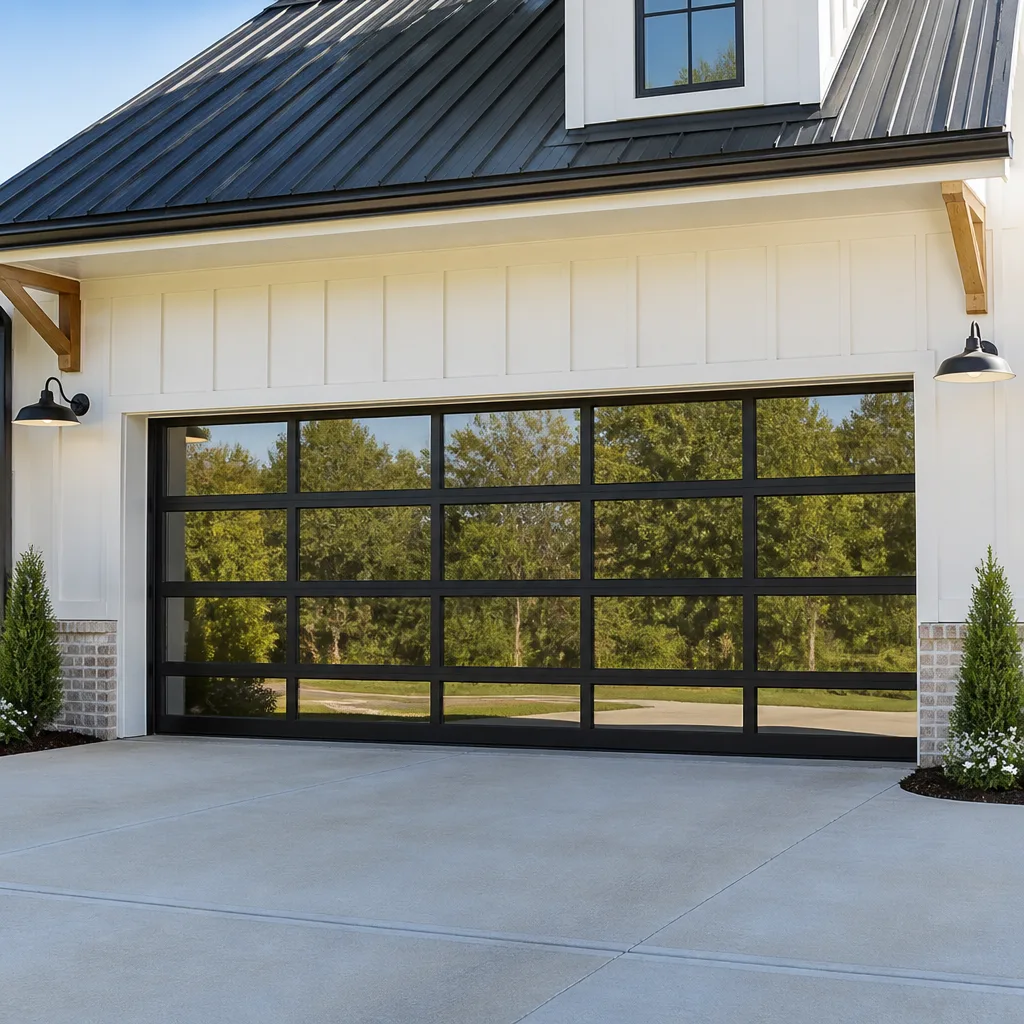 Full-view glass
 LiftMaster openers
 Chamberlain openers
Full 25-point door and opener safety check with every visit - springs, cables, rollers, tracks, and your LiftMaster or Chamberlain opener included
You get a price before we start. It does not change when the pro arrives.
Get your free estimateSeasonal Garage Door Care for Akron: Year-Round Homeowner’s Guide
Most garage door advice treats maintenance as a single annual chore: lubricate once, tighten a bolt, call it done. In Akron, that approach fails because the climate here doesn’t wear doors out evenly. It attacks them in sequence. Summer sun bakes the weather stripping on a south-facing door. Fall leaf debris and the first hard freezes change how a torsion spring behaves. Road salt tracked in on winter tires eats steel tracks from the bottom flange upward. Then spring thaw and summer humidity work on everything the season before loosened. A lubricant applied in July with the wrong product turns into a thick drag on the rollers by January, and Akron winters punish off-season maintenance as much as neglect. This guide walks through what each season actually does to your door, what to inspect and when, and which tasks are safe for a homeowner. You’ll leave knowing how to read your door’s condition before a small problem becomes a locked-in garage.
Quick Answer
Seasonal garage door care in Akron follows four distinct windows: check torsion spring tension and seal contact in October before the first freeze, keep the bottom seal from bonding to the concrete through December to February, watch for salt-driven track corrosion in March and April, and inspect UV-degraded weather stripping on south-facing doors in June through August. The single most useful habit year-round is a monthly door balance check: disconnecting the opener and lifting the door halfway by hand to see whether it holds position. A door that drifts, slams, or feels heavier than it did last month is telling you something is developing, usually weeks before a spring breaks or a door refuses to open.
Styles & brands we work with
- Raised-panel steel
- Carriage house
- Modern flush
- Full-view glass
- LiftMaster openers
- Chamberlain openers
Table of Contents
- Why Akron’s Climate Hits Garage Doors in a Sequence
- The Monthly Balance Check That Catches Most Problems Early
- Fall (October): Checking Torsion Spring Tension Before the First Freeze
- Winter (December – February): Preventing Seal Freeze-to-Concrete Bonding
- Spring (March – April): Road Salt and Track Corrosion From the Bottom Up
- Summer (June – August): UV Damage on South-Facing Doors
- What You Should Never Adjust Yourself
- Common Mistakes to Avoid
- When to Call a Professional
- Frequently Asked Questions
Why Akron’s Climate Hits Garage Doors in a Sequence
A garage door is a mechanical system under constant tension, and every one of its parts responds to temperature and moisture. In Akron, those conditions swing hard across a single year. A torsion assembly that feels perfectly balanced in a 75°F October afternoon meets its first 20°F night with cooler, contracted steel, and the effective tension shifts with it. By the time summer returns, that same door is expanding again and the seals, hinges, and rollers are working against humidity and sun. None of these changes happen in isolation. Each season leaves a small wear signature that the next season builds on.
That’s why a maintenance calendar tied to calendar months makes more sense here than the generic “lubricate twice a year” advice floating around online. If you tune the door for one season’s conditions and then ignore the transition into the next, you’re constantly chasing a problem that already started weeks earlier. A better framing is to think of the door as needing three checkpoints: one to prepare it for cold, one to keep it dry and free from salt damage through the freeze, and one to clean up from winter and prepare for sun exposure.
In our experience across Akron neighborhoods, the doors we see with the longest service life aren’t necessarily the newest or most expensive. They’re the ones where somebody is paying attention at the change of season. A Wayne Dalton or Raynor door installed fifteen years ago and maintained with a fall and spring look-over usually outlasts a slightly newer door that only gets attention when something breaks.
This guide addresses the sequence directly. It’s not a maintenance plan to follow mechanically, but a way of reading what your door is telling you as the weather moves from hot to cold and back. If you’d rather have someone walk the system with you once and give you a straight answer on its condition, that’s what a service visit is for. Our Akron Garage Door Repair Pros page lays out what we cover, and most homeowners find that one good inspection in October resets the whole year.
The Monthly Balance Check That Catches Most Problems Early
Before the seasonal detail, there’s one task worth doing every month that catches the majority of developing problems before they become emergencies. It’s the door balance check, and it takes about two minutes. It doesn’t require disassembling anything, and it tells you whether the counterweight system (usually torsion springs on the header above the door) is still doing its job.
- Close the door fully and disconnect the opener. On most openers this is a pull cord or release lever that decouples the trolley from the door. If you’re not sure how to release yours, that’s a good first thing to ask about during a service visit.
- Lift the door by hand to about halfway up. A well-balanced door should stay roughly in place when you let go, maybe drifting slightly.
- Watch what happens. If the door drops hard, slams, or feels much heavier than it did a month ago, the springs are losing tension or a cable is degrading.
- Reconnect the opener and cycle the door with the remote to confirm it operates smoothly.
That’s the whole test. A door that drifts downward when lifted halfway, or that you can’t hold at chest height without real effort, is one where the counterbalance is failing. The reason this matters for Akron specifically is that our temperature swings mean a door that tests fine in September can drift noticeably by November with no other change. Catching that drift early gives you time to schedule a spring check before the freeze, rather than facing a snapped spring on the coldest morning of the year.
If your door fails the balance check and it’s an unresponsive opener rather than a spring issue, that’s a different diagnostic path. Opener problems and spring problems can feel similar to a homeowner, because both leave the door stuck. Our garage door opener repair page covers the opener side; the balance check above is the quickest way to know which system you’re actually dealing with. When in doubt, disconnect the opener and test by hand. If the door is easy to lift by hand but the opener doesn’t move it, you likely have an opener fault. If the door is nearly impossible to lift by hand, the springs or cables are the problem.
Run the balance check quarterly at minimum, and monthly during the transition seasons when the door is most susceptible. It costs nothing and will save you a surprising amount of diagnostic guesswork later.
Fall (October): Checking Torsion Spring Tension Before the First Freeze
October is the most important maintenance window in Akron, and it has less to do with leaf cleanup than with spring behavior. Torsion springs are wound to hold a door at a specific weight, and the physics of that holding force depends on temperature. As cold steel contracts, the effective tension changes, and a spring that was correctly wound for summer conditions can behave differently the first time the temperature drops below freezing. If the spring was near the end of its service life, the cold can be the thing that makes it fail.
What you can safely observe in fall:
- Listen to the door. A door opening with grinding, squealing, or popping sounds is a door where the spring or hardware is stressed. Quiet operation is what you want.
- Look at the springs. Torsion springs run horizontally above the door on the header. Check for visible gaps in the coils or a stretched, elongated look. Any visible damage means the spring should be evaluated by a technician before winter, not operated until it fails.
- Check the balance test again. If the door passed easily in August and struggles in October, that’s the seasonal change in action.
- Lubricate moving parts with the right product. A lithium-based or silicone lubricant on hinges, rollers, and the spring wind (lightly) helps, but only if it hasn’t been contaminated. If you last used a general-purpose oil in July, that’s the wrong chemistry for cold weather; a technician can tell you what your specific door needs.
Fall is also when you should verify the bottom seal and weather stripping are intact, since winter’s job is to keep moisture out and cold air sealed. A door with gaps or a hardened seal gets cold air into the garage and lets water in at the floor line, which sets up the freeze-bonding problem described in the next section.
If your balance check or inspection turns up anything concerning about the spring, this is the time to schedule it, not wait. Our garage door repair service addresses spring evaluation directly, and a spring replaced or adjusted in October operates reliably through the winter. Springs store dangerous tension, and adjusting or replacing them is not a homeowner task, even for a confident do-it-yourselfer. A trained technician with proper winding bars is the only safe way to touch them.
One more October item: check that any fall storm brought debris into the tracks. Small stones or leaves in the track cause rollers to jump and will cause wear all winter. Clearing them now is a two-minute job.
Winter (December – February): Preventing Seal Freeze-to-Concrete Bonding
Akron winters are hard on the bottom seal, and the failure mode most homeowners don’t anticipate is bonding. When water collects at the base of the door, whether from snowmelt, rain, or tracked-in moisture, then freezes, the rubber bottom seal can stick to the concrete floor. The next time the door opens, the seal tears, deforms, or is pulled partially off. Repeated freeze-thaw cycles make it worse, and a torn seal is why a garage feels colder and draftier all winter.
You can reduce the risk without damaging either the seal or the slab. It’s a matter of keeping the contact zone dry and reducing friction at the contact point:
- Clear snow and ice away from the door’s threshold after storms. Don’t let it pile against the bottom of the door where the melt will run back underneath.
- Verify the seal is actually making contact with the floor along its full width. A gap lets cold air in but also lets water freeze in the gap and bond. A seal that’s compressed too tightly drags and wears.
- Keep the seal clean. Dirt and grit become an abrasive paste when wet, and that wears the rubber surface that makes contact.
- Watch for a seal that’s hardened or cracked. Hard rubber is far more likely to bond and tear than a supple seal, and once it’s hardened it won’t recover.
If the seal has already bonded once, it may be permanently deformed at the contact point and needs replacement rather than more attention. A new bottom seal is one of the less expensive components on a door and one of the more consequential for keeping the garage dry and warm. It’s also something we check routinely because seals that fail quietly are often the source of drafts a homeowner blames on the door frame.
Winter is also when the balance check matters most. Run it monthly through the cold months. A door that’s harder to lift, or that won’t hold its position, is telling you the counterbalance is under strain from the cold. If your door fails the balance check in mid-January and the opener still operates, that doesn’t mean it’s fine; it means the opener is working harder than it should and the motor is at risk of failing next. Catching the imbalance now gives you options before you lose access to the garage entirely.
If the door gets stuck open or closed in the cold, call for emergency service rather than trying to force it. Forcing a door under strain can damage the opener, bend the tracks, or worse, unseat a cable. If you need someone urgently, our emergency service is available; call (855) 658-4360 and we’ll talk through what’s happening.
Spring (March – April): Road Salt and Track Corrosion From the Bottom Up
The damage spring reveals is the damage winter caused, and in Akron the biggest offender is road salt. As winter progresses, salt tracked in on tires and boots from city streets accumulates on the garage floor and gets picked up by the rollers as they travel down the tracks. It dries into a corrosive film, and every subsequent pass pulls that film through the track and onto the rollers. Corrosion starts at the bottom of the vertical tracks and works its way up, because that’s where the salt collects. By March, when the ice clears and you can actually see the tracks, the lower sections often show pitting and rust streaks.
What spring inspection should cover:
- Track corrosion. Run a hand along the lower half of the vertical tracks. Rough patches, pitting, or rust streaks indicate salt damage. Light surface rust can be cleaned and treated; deep pitting often means the track needs replacement because the roller can’t glide smoothly anymore.
- Roller condition. Rollers that roll hard or have flat spots are usually a salt-and-grit issue. Worn rollers stress everything around them.
- Hinge wear. Salt accelerates hinge oxidation, and stiff hinges cause a door to open out of square, which strains the springs.
- Hardware lubrication. Spring is when you want to clean and re-lubricate the moving parts, removing the salt residue first so the new lubricant actually stays.
If the corrosion is severe, replacement is the answer, and that’s a job that depends on the specific door and hardware. Doors from suppliers like Craftmsan or Wayne Dalton use parts that aren’t interchangeable with every other brand, which is why a technician familiar with your model is a real advantage. Our garage door repair service handles track and roller wear across all major brands, and spring is the season when these calls are most common.
Spring is also the season to clean the tracks themselves with a dry cloth or a soft brush, then wipe down the spring. Never hose a metal track down; water on the track just accelerates the corrosion you’re cleaning up. A quick wipe with a damp cloth followed by drying is enough. This simple routine done once at the end of winter adds years to a set of tracks.
If the winter has left your door feeling stubborn or loud, spring is the season to address it before summer sun exposure stresses the seals further. Clean, lubricate, and verify the balance. If anything’s off, get it looked at while the weather is still cooperative.
Summer (June – August): UV Damage on South-Facing Doors
Summer in Akron brings strong sun and long days, and for a door facing south the sun is relentless. The component most affected is the weather stripping along the sides and top of the door, and the bottom seal. UV exposure degrades the rubber, drying it out and eventually causing it to crack, harden, and lose its sealing ability. A south-facing door can show UV damage noticeably faster than a north- or shade-facing door on the same home, and the damage happens on the sun-exposed side, which you might not notice from inside the garage.
The sun’s effect concentrates on the components that sit in the sun path through the day:
- Weather stripping along edges. Watch for hardening, fine cracking, or a brittle feel. Latex and vinyl stripping degrades faster than heavy-duty rubber or vinyl with a UV stabilizer.
- Bottom seal. The bottom seal faces the sun directly at the sun path, and a south-facing door’s seal can degrade faster than you’d otherwise expect. A hardened seal at the end of summer becomes the freeze-bonding liability in winter.
- Paint or finish on a steel door. Sun exposure combined with moisture causes faded or chalky finish, and small nicks from the year before become rust starting points. On doors from Clopay or Raynor, a clean and touch-up over the summer protects the panel surface.
- Window and hardware. Plastic window inserts can yellow, and metal rails that get sun all day stay hot and expand, making them slightly louder. That’s normal, but check for looseness at the same time.
In Akron’s sun exposure, replacing weather stripping and the bottom seal roughly once every few years on a south-facing door is typical. That’s not a fixed rule; a door with UV-stabilized seals can go longer, while a sun-baked vinyl job may need work sooner. Inspect in June, address anything hardened in July or August, and you’ll enter fall with a seal that’s supple and ready to handle the freeze-thaw cycle instead of one that fails as soon as winter arrives. If you want the job done right the first time, our garage door installation team also handles seal replacement and can tell you what the right seal for your door is.
Summer is a good time to lubricate hinges and rollers, but be aware that some lubricants migrate faster in heat. A light, heat-stable lubricant works better in summer than a heavy grease that runs.
What You Should Never Adjust Yourself
Some maintenance is safe for a homeowner: cleaning tracks, wiping seals, lubricating hinges, and running the monthly balance check. Other parts of a garage door store enough mechanical energy to seriously injure or kill if released incorrectly. Torsion springs and cables are the clear danger. A spring under tension can fail violently, and adjusting one requires winding bars and knowledge of the correct number of turns for your specific door weight. Cables are under similar tension and can snap. Track alignment and the opener’s force settings are also areas where a homeowner adjustment can make the system less safe, not more, especially if the opener’s safety reverse feature ends up misadjusted.
The honest framing is this: a spring repair is a high-tension, safety-critical job, and it’s one that many general contractors decline or underqualify for. That’s not because they’re unskilled; it’s because springs are a specific specialty that requires the right tools and the training to do it safely. Our technicians have up to 10 years of experience and work on springs as a core service, and we’ll tell you plainly when something is a homeowner-safe task and when it isn’t.
If your door is stuck, making a loud noise, or visibly damaged, stop operating it and call. There’s no version of a broken spring or cable that gets safely better on its own.
Common Mistakes to Avoid
- Lubricating with the wrong product in summer. A heavy grease applied in July can become a drag that slows the door all winter. Use a light, heat- and cold-stable lubricant, or have the door checked for the right chemistry.
- Ignoring the balance check. A door that’s getting harder to lift is the single clearest early warning that the springs are aging. Skip the check and you’ll find out when it fails in a cold snap.
- Letting salt sit on the tracks all winter. Akron’s streets and driveways put salt on your garage floor, and if it isn’t cleaned up in spring, corrosion digs into the track from the bottom up.
- Assuming a new seal will fix a gap without checking the door alignment. If the door is out of square because a hinge or roller is worn, a new seal will fail too. Fix the alignment first.
- Forcing a door that’s stuck open or closed. Forcing it can damage the opener and bend the tracks, turning a fixable repair into a full replacement.
- Using a general handyman for spring work. Spring jobs are specialized. A contractor without the right equipment and experience is the wrong call for a high-tension repair, even if they’re capable in other trades.
- Waiting too long on a south-facing door’s seal. UV damage doesn’t announce itself, and by the time the seal is visibly cracked it’s already letting air and water through. Check it every summer.
When to Call a Professional
If your door is stuck, won’t open or close all the way, makes a loud popping or grinding sound, or you can see a broken spring, stop operating it and call. If the balance check tells you the door is significantly harder to lift than it was a month ago, that’s a sign to schedule a service visit before a failure happens. If the bottom seal has bonded and torn, or the door hasn’t opened smoothly through a full cycle in a while, that’s worth a look. And if your opener is unresponsive while the door itself lifts easily by hand, our opener team can diagnose it.
Akron Garage Door Repair Pros offers free estimates in Akron, and every price is quoted and agreed before any work starts. Call (855) 658-4360 and we’ll get you a written number. If it’s an emergency, we offer emergency service for time-sensitive failures; if it’s routine, we’ll schedule it around the season that makes the most sense for your door.
Frequently Asked Questions
Book the main service visit in October, before the first hard freeze, so the spring and seals are checked while the weather is still cooperative. A second brief inspection in March or April cleans up winter’s salt damage and confirms the door is in good shape for summer. The monthly balance check you can run yourself in between, and it catches most developing issues between the two annual visits.
If you’d rather have an expert assess the door once and tell you where it stands, call (855) 658-4360 for a free estimate; we’ll give you a straight answer on condition and cost.
Yes, you can lubricate hinges and rollers yourself with a light, cold-stable lubricant; that’s a safe homeowner task. Don’t lubricate the torsion spring wind unless you know the correct product and placement, and never try to adjust tension on a spring or cable. If you’re unsure where to stop, a routine service visit is a good way to have the system checked and get guidance on what’s safe for your door.
Call (855) 658-4360 for a free estimate if you’d like a technician to handle the lubrication and check the system at the same time.
Keep the threshold clear of snow and ice, confirm the seal makes contact with the floor along its width, and keep it clean so water doesn’t freeze into a bond. A supple seal is far less likely to bond than a hardened one, so check the seal’s condition before winter. If the seal has already bonded and torn, replace it; a hardened or deformed seal won’t recover. Call (855) 658-4360 for a free estimate on seal replacement, quoted before any work starts.
On a south-facing door in Akron’s summer sun, expect to replace weather stripping and the bottom seal roughly every few years. Doors with UV-stabilized seals go longer, while standard vinyl or latex stripping degrades faster. Inspect each June and address hardened or cracked edges before the cold sets in.
If the stripping looks brittle or the bottom seal is cracked, call (855) 658-4360 for a free estimate, and we’ll identify the right replacement product for your door.
No. We quote and agree on the price before any work starts, and the written estimate sets the final price. If, during the diagnosis, we find something that changes the recommended scope, we’ll walk through it with you and get your approval before any additional work; we won’t surprise you with a bigger invoice after the fact. Call (855) 658-4360 to schedule a free estimate.
The local professionals we connect you with are licensed and insured as their state requires, and our technicians have up to 10 years of experience working on garage doors and openers. That includes spring repair, opener service, and new door installation, and we work on all the major brands. Call (855) 658-4360 for a free estimate.
Yes, ideally in mid-October, before the first hard freeze. Akron’s first freeze typically arrives in late October or early November, and getting the spring check, seal inspection, and track cleaning done before then means the door is ready for the cold. For a free estimate on a fall check, call (855) 658-4360.
We’re closed on Saturday; if a door fails on a Saturday, call (855) 658-4360 and we’ll book you for Sunday. For Sunday and other times outside our usual day, early mornings or Sundays work. If the door is stuck open or closed and it’s unsafe to leave it, don’t force it; call and we’ll talk through what to do until a technician arrives.
The Bottom Line
Seasonal garage door care in Akron works best when you match the task to the threat: a fall spring-and-seal check before the freeze, a winter routine that keeps the bottom seal dry and the balance check monthly, a spring cleanup of salt-driven track corrosion, and a summer inspection of UV-stressed weather stripping on south-facing doors. The single habit that ties it all together is the monthly balance check, which catches most of what would otherwise become an emergency repair. Some maintenance you can do yourself safely, and some, especially spring work, is not a homeowner job. If your door is telling you something, our team at Akron Garage Door Repair Pros is here to help. For a free estimate, call (855) 658-4360 and we’ll schedule a visit around the season that makes the most sense for your garage.
Written by the team at Akron Garage Door Repair Pros.
See the difference
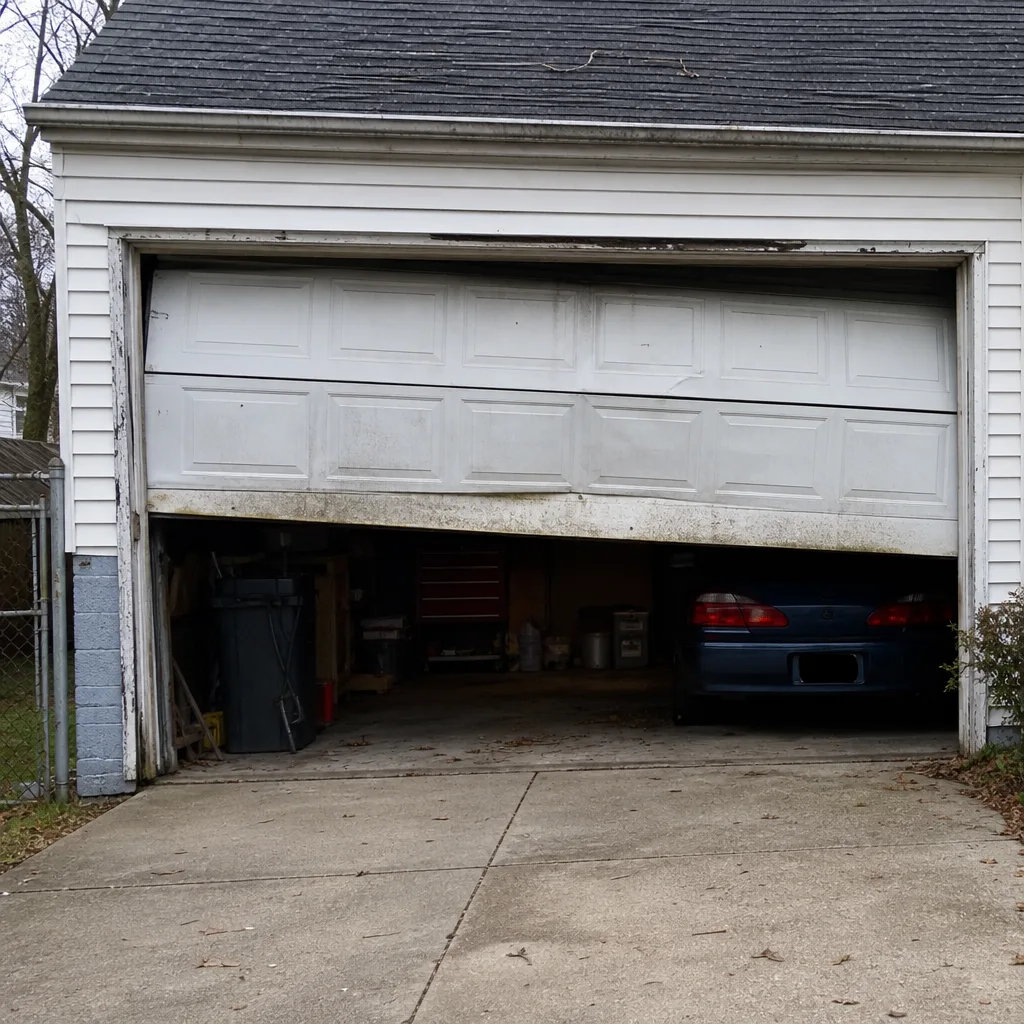 Before
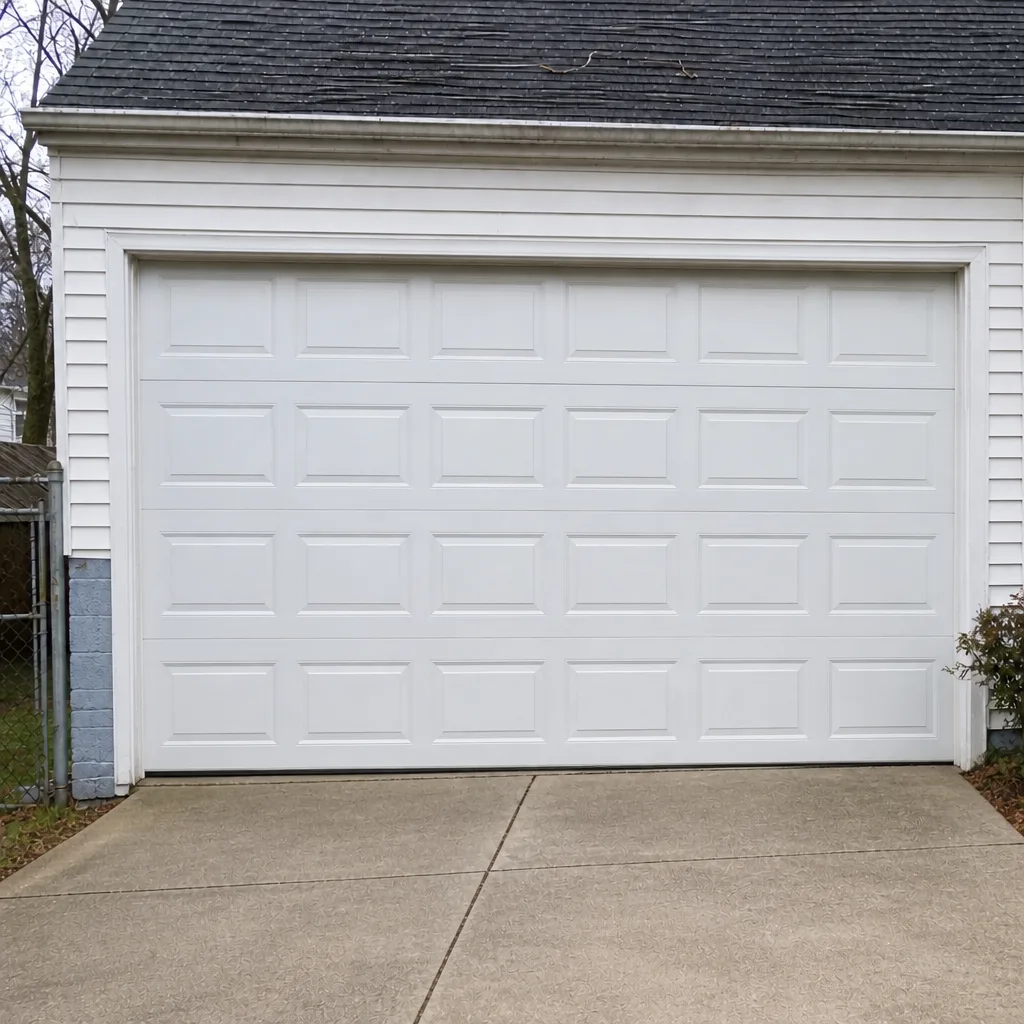 After
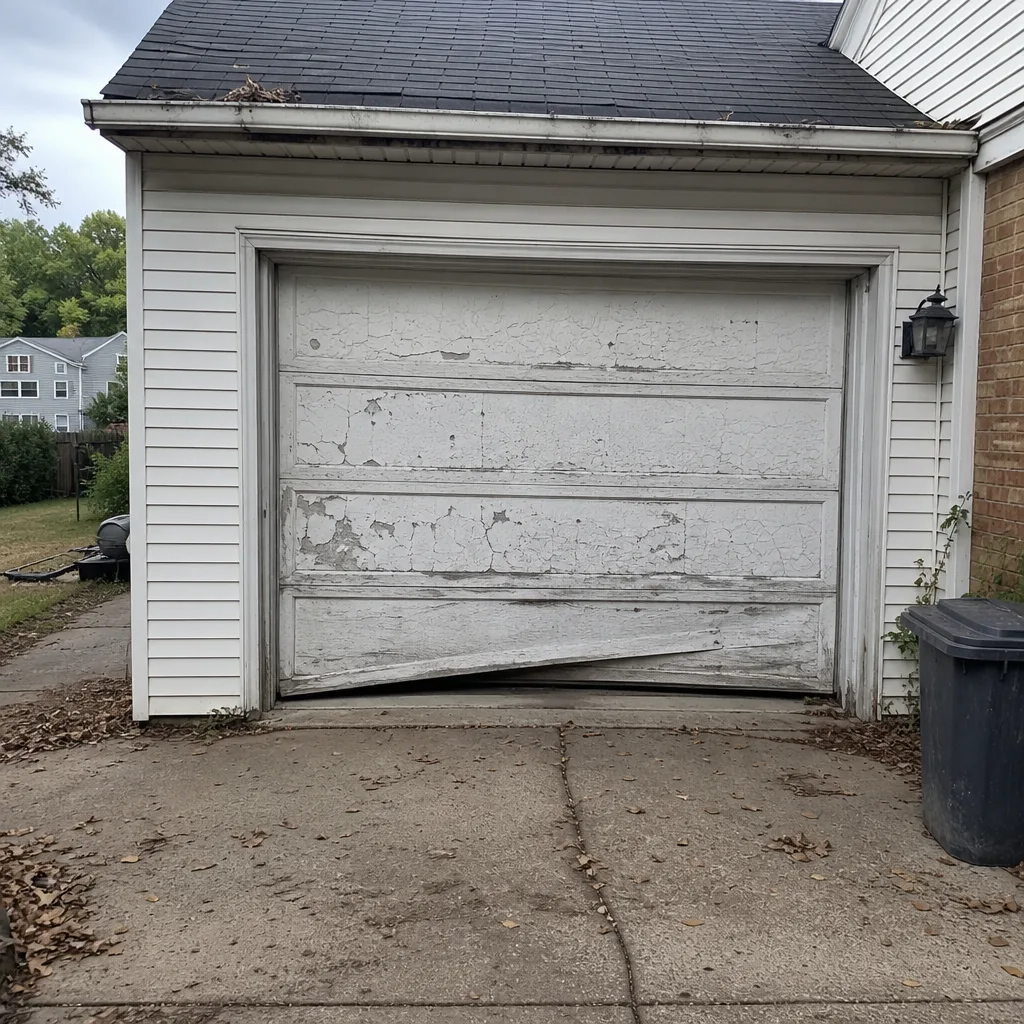 Before
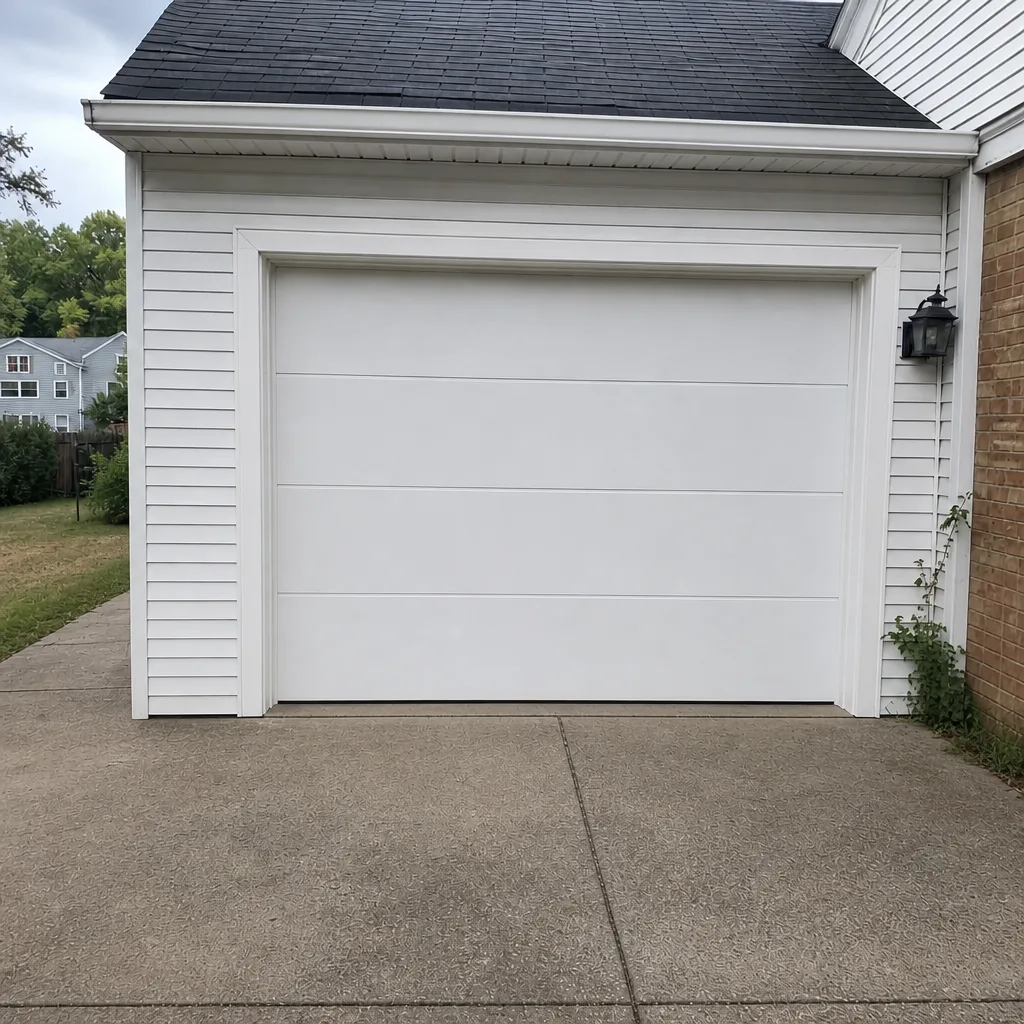 After
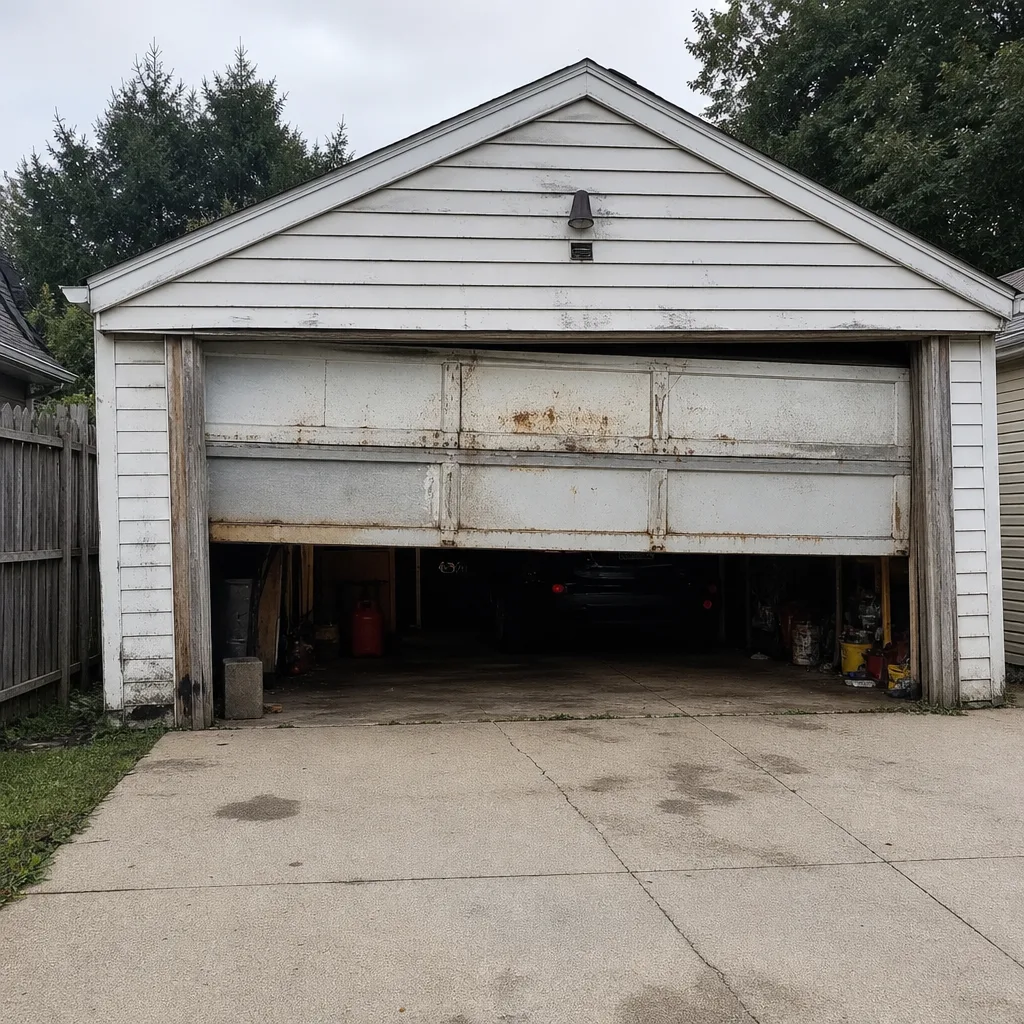 Before
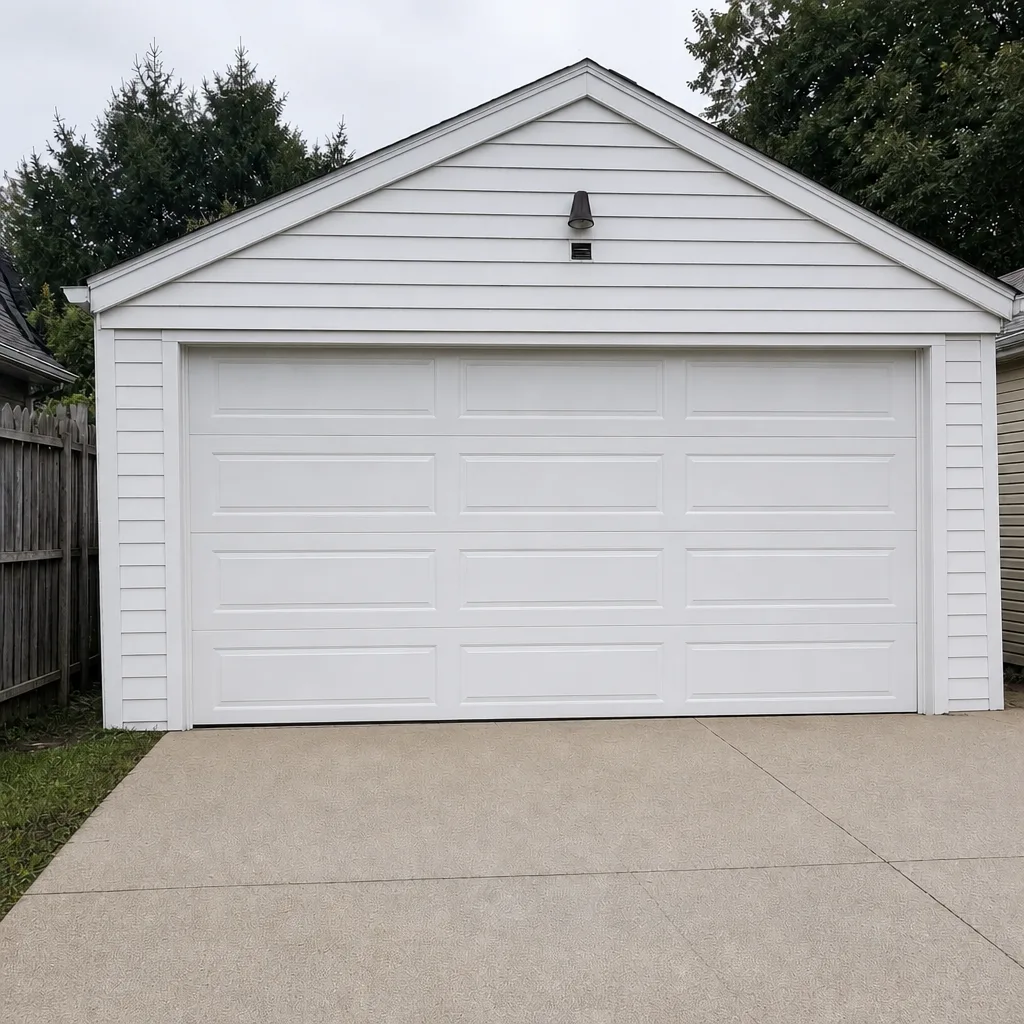 After