Last updated November 20, 2026
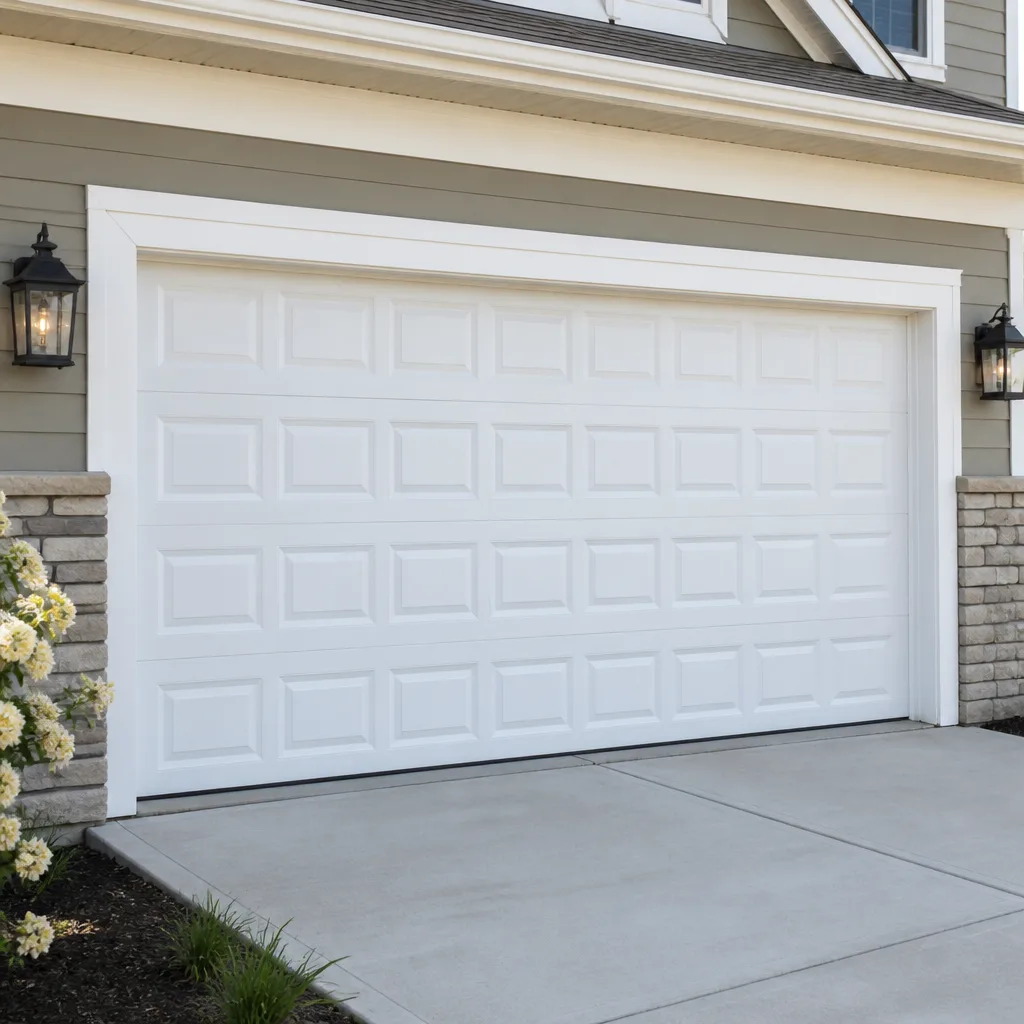 Raised-panel steel
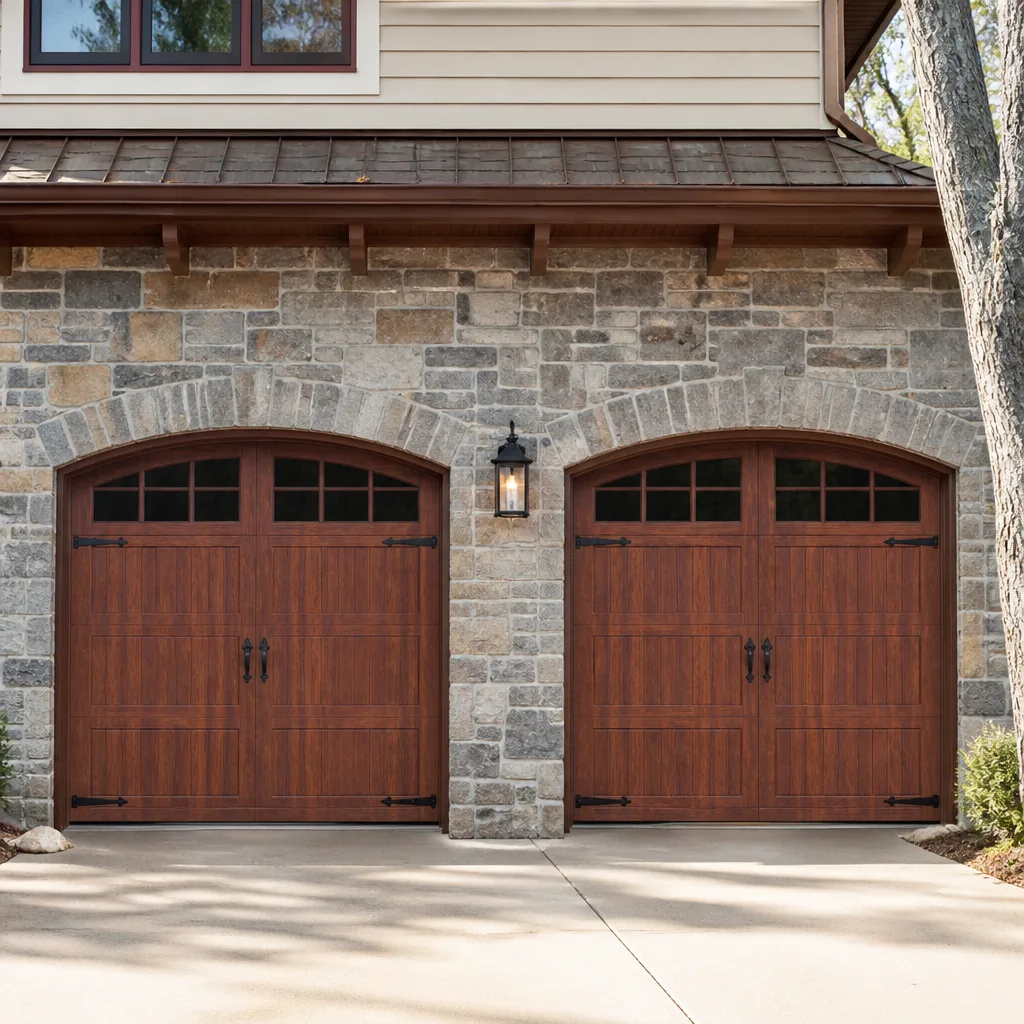 Carriage house
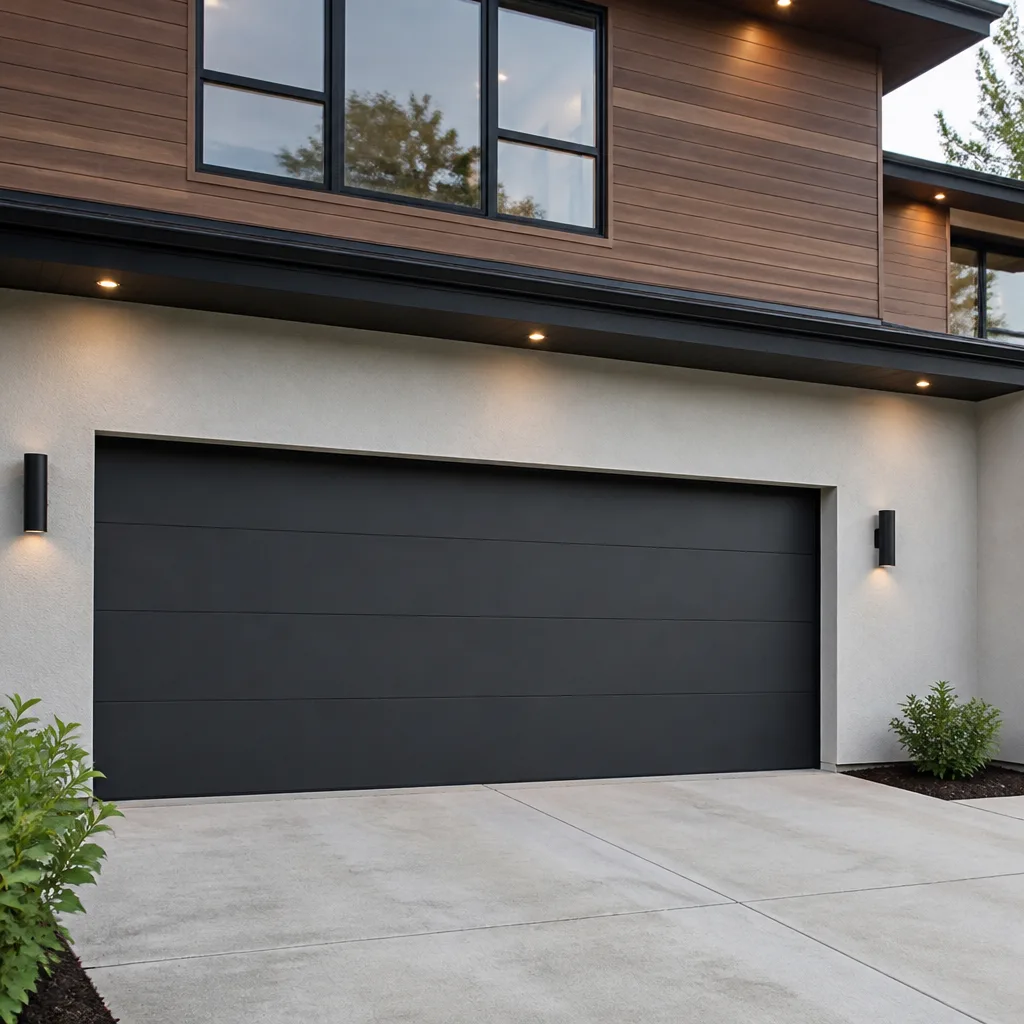 Modern flush
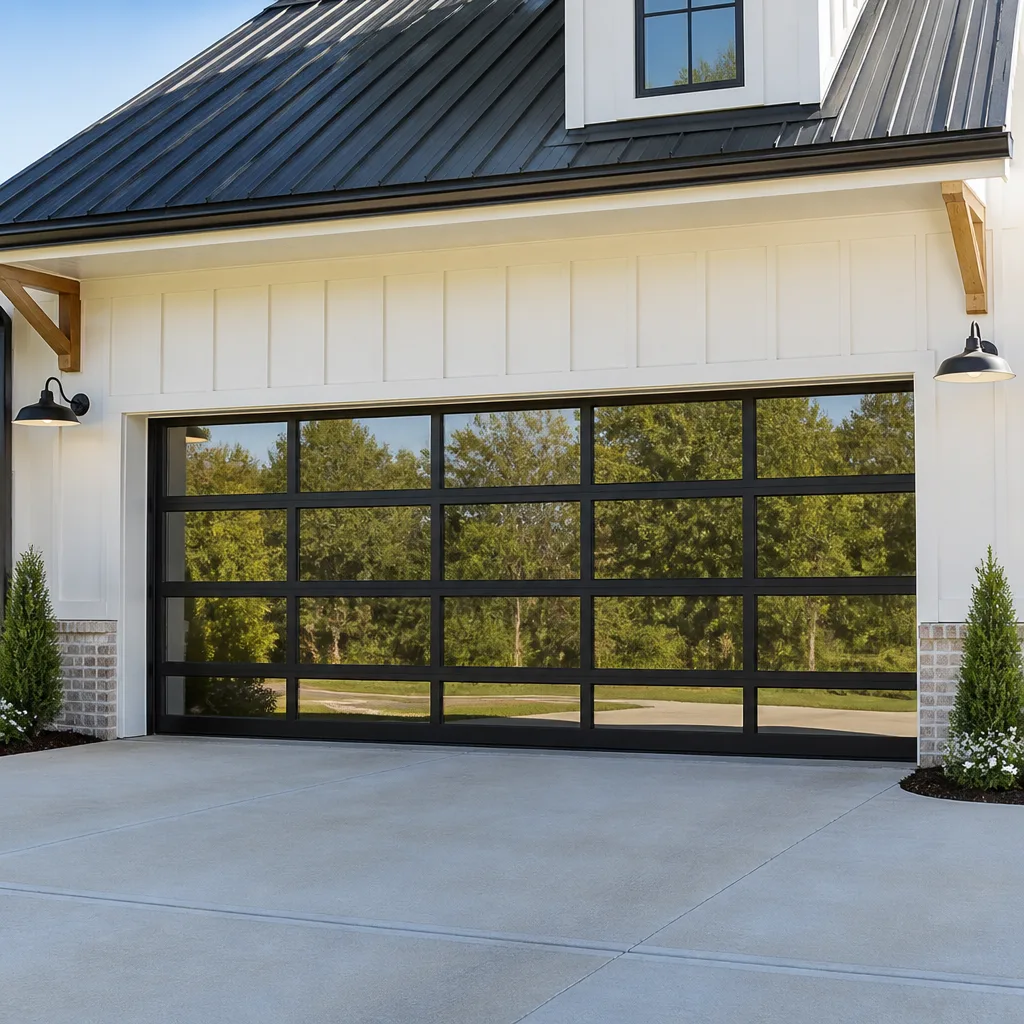 Full-view glass
 LiftMaster openers
 Chamberlain openers
Full 25-point door and opener safety check with every visit - springs, cables, rollers, tracks, and your LiftMaster or Chamberlain opener included
You get a price before we start. It does not change when the pro arrives.
Get your free estimateGarage Door Warning Signs: An Akron Homeowner’s Reference Guide
A grinding noise and a scraping noise coming from your garage door point to two completely different failures: grinding usually means the opener or its gears, while scraping almost always means the door is rubbing the track. Treat them the same and you make both worse, because you’re adjusting the wrong parts and masking the actual problem. That lack of translation is why so many Akron homeowners wait too long. A door rarely fails without warning; the door is telling you what’s wrong weeks in advance, and most of us were never taught the language. This guide translates the sounds, movements, and visual changes on an Akron garage door into the specific components that cause them, so you know what to watch and when to call.
Quick Answer
The most common garage door warning signs in Akron are popping or banging from the spring system, grinding from the opener, scraping from the tracks, uneven or jerking travel, and doors that drift or won’t stay halfway up. Creaking and slow operation are usually early warnings you can schedule; popping, hanging doors, and drifting point to spring or cable failure and need a technician quickly. When a door won’t move at all, professional emergency service is the safe next step.
Styles & brands we work with
- Raised-panel steel
- Carriage house
- Modern flush
- Full-view glass
- LiftMaster openers
- Chamberlain openers
Table of Contents
- The Sound Index: What Each Noise Tells You
- Movement Anomalies Decoded
- Reading the Door Surface: Warping, Cracks, and What They Mean
- Your Opener Is a Diagnostic Tool
- Act Now vs. Monitor: A Priority Guide
- How Akron’s Climate and Homes Shape These Warnings
- A Simple Seasonal Check for Akron Homeowners
- Common Mistakes to Avoid
The Sound Index: What Each Noise Tells You
Sound is the fastest diagnostic tool you have, but only if you can tell the noises apart. The same door can grind on day one and pop on day ten, and those two sounds come from different systems entirely. Here’s how we map what we hear to what’s actually failing. Close and open the door once and listen carefully before you look at anything.
- Popping or banging: The loudest and most serious warning. A pop or bang when the door moves usually means a broken torsion spring or a tension spring letting go. The door will often still move because the opener is lifting dead weight, which is dangerous. Stop using the door and call for spring repair.
- Grinding: A rough, metal-on-metal grinding points to the opener. Worn drive gears inside LiftMaster, Chamberlain, or Genie units commonly produce this. The door itself may be fine; the opener is the problem.
- Scraping: Scraping is the door rubbing the track or framing. A bent track, a loose hinge, or a roller that has jumped its channel will scrape as the door travels.
- Squealing: A high-pitched squeal is usually a dry or worn torsion spring, a failing roller bearing, or a loose opener chain. Lube helps, but squealing from the springs themselves is a call-in warning.
- Banging when the door settles: If the door bangs at the end of its travel instead of easing down, the travel limits or the springs aren’t holding the door’s weight, and the opener is taking the hit.
In our experience, popping plus a door that feels unusually heavy is the combination that needs a call today. A grinding opener with a normal-feeling door is urgent but not an emergency. The distinction matters in Akron, where a door stuck open in cold weather can mean a very cold garage within hours.
Movement Anomalies Decoded
How the door moves is the second layer of diagnosis, and it separates spring failures from cable failures from track failures. Watch the door travel from open to close once, and match what you see to the pattern below. All of these are worth a professional look, but some are days-to-failure warnings and some allow scheduled repair.
Uneven lifting (one side higher than the other)
A door that lifts crooked is almost always a broken or stretched spring on one side, or a snapped cable. On a torsion system, the torque is meant to be balanced; when one spring weakens, one side lags. This is a “door is about to hang” warning. Stop using the door, because a twisted door can jam in the opening and you’ll be stuck.
Jerking on descent
Jerking as the door comes down usually points to the track and rollers, not the springs. A misaligned track, a flat roller, or debris in the channel makes the door catch and release as it travels. Jerking is a scheduled repair, but it stresses the opener every cycle, so don’t let it run for months.
Door drifts or won’t stay put halfway
Open the door halfway and let go. If it drifts down or won’t hold position, the springs have lost tension and aren’t counterbalancing the door’s weight. A door that drifts is heavy for the opener, and the opener’s gears wear fast. On a Raynor or Clopay door, a door that won’t hold halfway is a spring call, not an opener call.
The door won’t close all the way or reverses
If the door closes partway and reverses, the safety sensors, track, or the opener’s travel limits are at fault. That’s a separate diagnosis from a spring problem, and it’s covered in garage door opener repair. If the door won’t move at all, that’s a job for emergency service.
Reading the Door Surface: Warping, Cracks, and What They Mean
The door’s panels are a record of what’s happening around and inside the door, and the pattern of damage tells you the cause. Two homes on the same Akron street can show very different damage depending on how the door was hit, how water reaches it, and the door’s material. Read the pattern, not just the dent.
- Warping that follows a horizontal line across panels: Usually water infiltration. When moisture gets into the back of a wood or composite door, the panels swell and bow along the joints. This is common in Akron homes where a downspout or gutter drains toward the garage slab and the base of the door wicks water.
- Localized dents and creases: Impact damage, usually from a bumper, a bike, or something swinging against one section. Impact is cosmetic at first but can bind the hinges and throw the door out of square.
- Peeling, blistering, or delaminating skins: On steel-and-polyurethane doors, a failing skin separates from the core after repeated freeze-thaw cycles. The panels look rippled and the paint bubbles.
- Rust streaks near the bottom sections: Road splash and freeze-thaw in Akron’s winters attack the lowest panels first, often near the bottom seal where water collects.
- Sagging top section: Not a surface issue but a warning that the door’s structure and the top of the track are under strain. A sagging top panel plus a popping sound is a clear spring call.
If the damage is limited to one section, a repair may be possible. If several sections are warped or the skin is delaminating, replacement is usually more sensible than chasing repairs, and that’s a conversation about garage door installation.
Your Opener Is a Diagnostic Tool
The opener tells you what’s wrong with itself if you know how to read it. Slow operation, reversing for no reason, and lost remote range are not random; each points to specific hardware. Modern LiftMaster and Chamberlain units are the easiest to read, but the logic holds across Genie and the other brands we service.
- Slow operation or a lower-pitched motor sound: The opener is straining. On a chain-drive unit, a binding door or failing springs make the opener labor because it’s lifting more weight than it was designed for.
- Reversing without an obstruction: Safety sensors out of alignment, a dirty sensor lens, or a misjudged travel limit. If the door reverses and the sensors look clear and aligned, the opener’s limits need a reset from a professional.
- Remote range loss: The remote battery is the first thing to rule out. Past that, a failing logic board, an antenna issue, or LED bulbs in the opener vibrating loose can cut range. On older Craftsman and Genie units, range loss plus a struggling motor often means the board is on its way out.
- Lights flashing with no movement: The opener’s safety circuit has locked out. Usually a sensor or alignment problem, not a motor failure.
- A loud grinding only when the door moves: If the opener grinds only under load, the internal gears are worn. We replace a lot of drive gears on Genie screw and chain units for exactly this.
If several of these appear together, the opener is probably at the end of its service life, and a new unit may be smarter than repeated repairs. Either way, the decision starts with a diagnosis.
Act Now vs. Monitor: A Priority Guide
Not every warning is a five-alarm call, and treating them all the same way leads homeowners to either ignore serious problems or overpay for small ones. Here’s our priority sort. Match the sign to the list and you’ll know whether to clear your day or put it on the calendar.
Days-to-failure (call now, stop using the door)
- Popping or banging from the springs
- A door that lifts crooked or hangs
- A door that drifts down and won’t stay halfway
- A snapped or dangling cable
- A door stuck open or closed (access and security issue)
- An opener that only grinds and won’t lift the door
Scheduled repair (book it, don’t panic)
- Grinding from a functioning opener
- Jerking on descent
- Squealing from rollers or the spring
- Sagging or warped panels with no operational failure
- Remote range loss or sensor reversing (if the door otherwise moves)
- A door that bangs at the end of its travel
Springs store dangerous tension, and this is not a DIY repair. If you’re hearing a pop or your door is hanging, treat it as an emergency and call a trained technician. We offer emergency service for exactly these moments, and we’ll give you a straight answer on what’s wrong before any work begins.
How Akron’s Climate and Homes Shape These Warnings
Akron’s weather pushes garage doors harder than many homeowners realize. Snow, freeze-thaw cycles, lake-driven humidity, and winter road splash all leave marks on the door and its hardware, and they show up in the warnings we see across the area. A door that sounds fine in spring can start popping in the first hard freeze, because the steel contracts and the spring tension changes with temperature.
The city’s older housing stock matters too. In neighborhoods like Goodyear Heights, Kenmore, and Ellet, many garages were built for smaller cars and simpler doors, and the doors have been replaced or updated several times. That mix of older framing and newer steel doors creates misaligned tracks and doors that drift. A door hanging slightly crooked on a fifty-year-old track is common there, and the fix is usually as much about the track as the spring.
In newer pockets west of downtown and toward Fairlawn and the Bath area, doors are larger, opener systems are heavier, and the warnings tend to come from the opener instead of the door: slow operation, reversing, and lost remote range. We’re careful with the diagnosis because an older door and a newer door fail differently, and in Akron we see both on the same street. Knowing which warnings come from the door and which from the opener is what saves a homeowner from paying for the wrong repair. We service all the major brands, including Raynor and Clopay doors and LiftMaster openers, so the diagnosis is matched to the hardware you actually have.
A Simple Seasonal Check for Akron Homeowners
These checks take a few minutes and head off most of the failures we’re called for. You don’t need special tools, just a flashlight and attention. Run through this list as the seasons turn, especially before the first cold snap and after the first hard freeze.
- Look at the springs: With the door closed, check the torsion spring above the door and any extension springs along the sides. Look for gaps, a coil that looks stretched, or rust. Never touch or force a spring under tension.
- Watch the travel: Open the door and watch one full cycle. Note any jerking, uneven lifting, or drift. That’s your early warning.
- Listen: One cycle, ears open. Grinding, scraping, popping, squealing, or banging each points to a different part.
- Inspect the tracks: Look for bends, dents, or debris. Wipe the rollers and check for loose hinges. Don’t force a bent track back into place.
- Test the door by hand, gently: Disconnect the opener (or ask us to) and see if the door lifts with even pressure. If it feels heavy or won’t hold halfway, the springs need attention.
- Check the door’s surface: Scan the bottom panels for rust, warping, and peeling paint. Look at the weather seal for light getting through.
If anything feels off during this check, stop and call. A short inspection now beats a stuck door later, and for repair work we can often get a technician out the same day.
Common Mistakes to Avoid
- Assuming every noise means the opener is dying. Popping usually means springs, and scraping usually means the track. Chasing an opener replacement when the spring is the problem wastes money and leaves the real cause to fail.
- Trying to fix a spring yourself. Torsion and extension springs store dangerous tension. This is a trained-technician job, and a mistake can injure you or warp the door. We treat it as safety-critical for a reason.
- Greasing everything. A little lubricant on rollers and hinges helps; spraying the springs and tracks can attract grit, especially in Akron’s winter road salt and dust, making wear worse.
- Ignoring a door that drifts or lifts crooked. A crooked door can jam in the opening. Fix it when it drifts, not after it hangs.
- Running the opener on a door that’s hard to lift by hand. If the door feels heavy, the opener is fighting the springs. Every cycle wears the motor and drive gear.
- Assuming a warped panel is only cosmetic. Warping often means water infiltration, and the damage spreads section to section. Catching it early can save the door.
- Calling a general handyman for a spring. Many decline the job or aren’t trained for the tension. Use a garage door specialist who does spring work as a named service.
See the difference
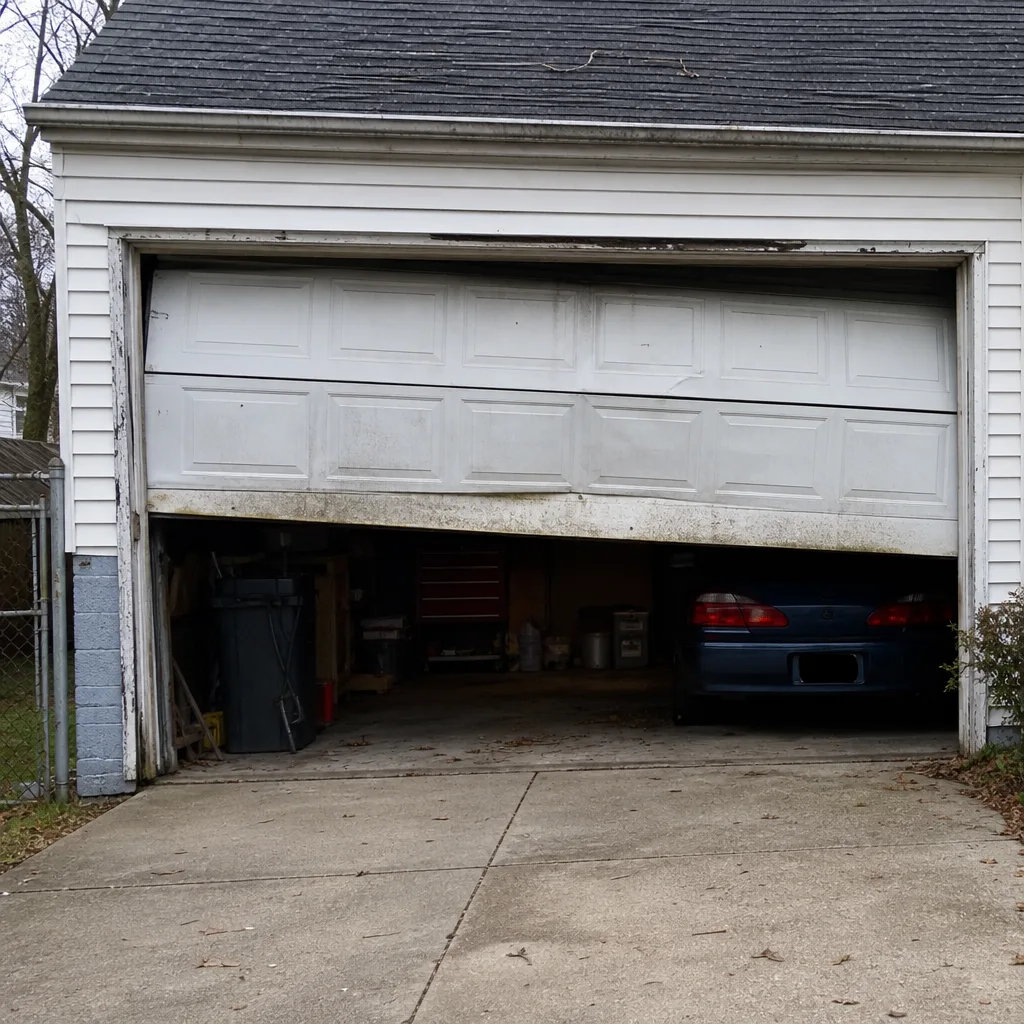 Before
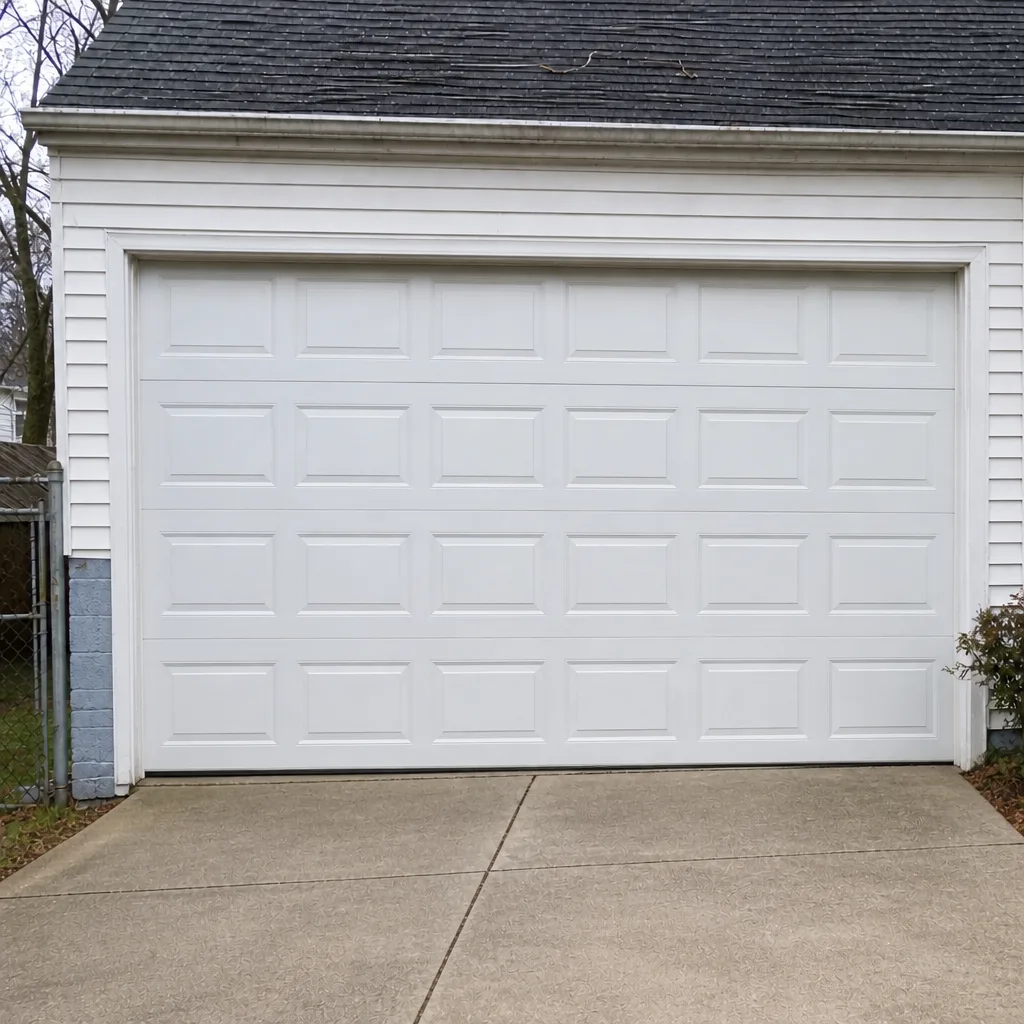 After
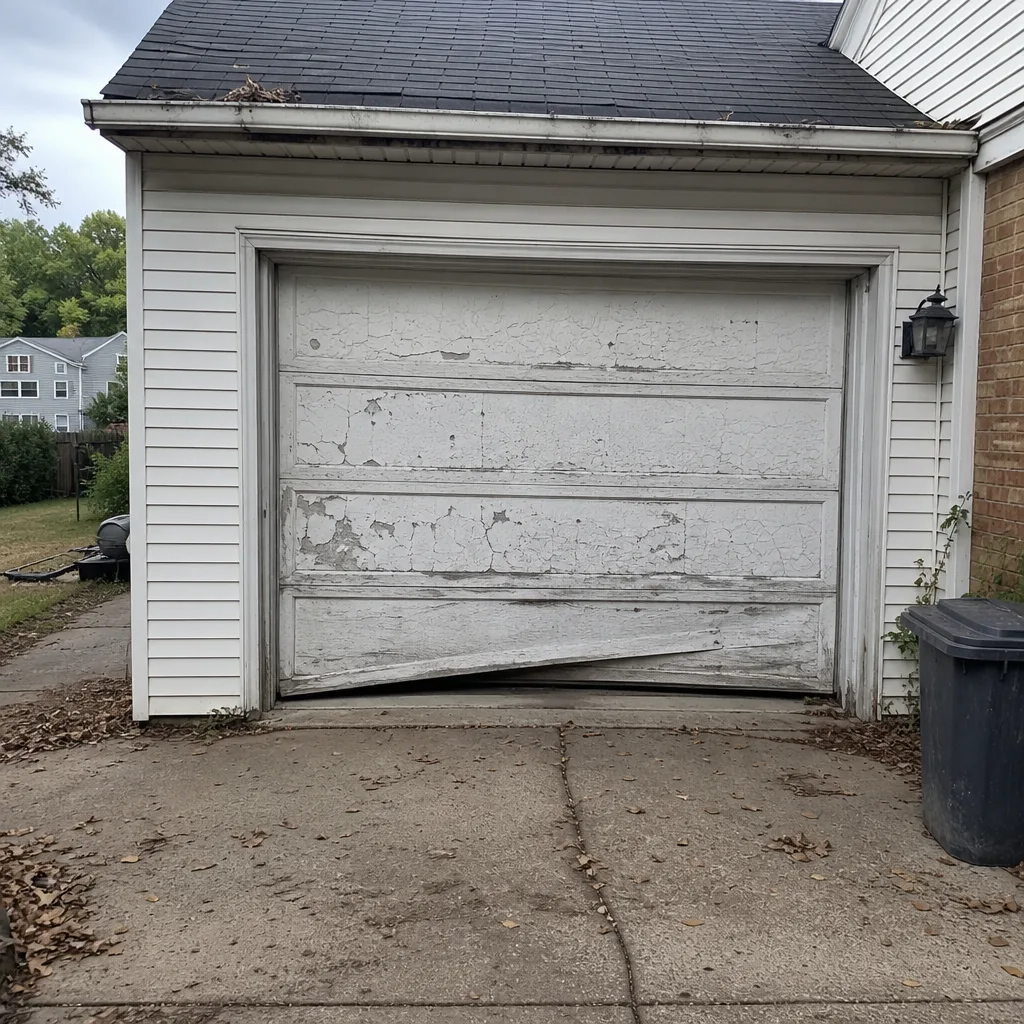 Before
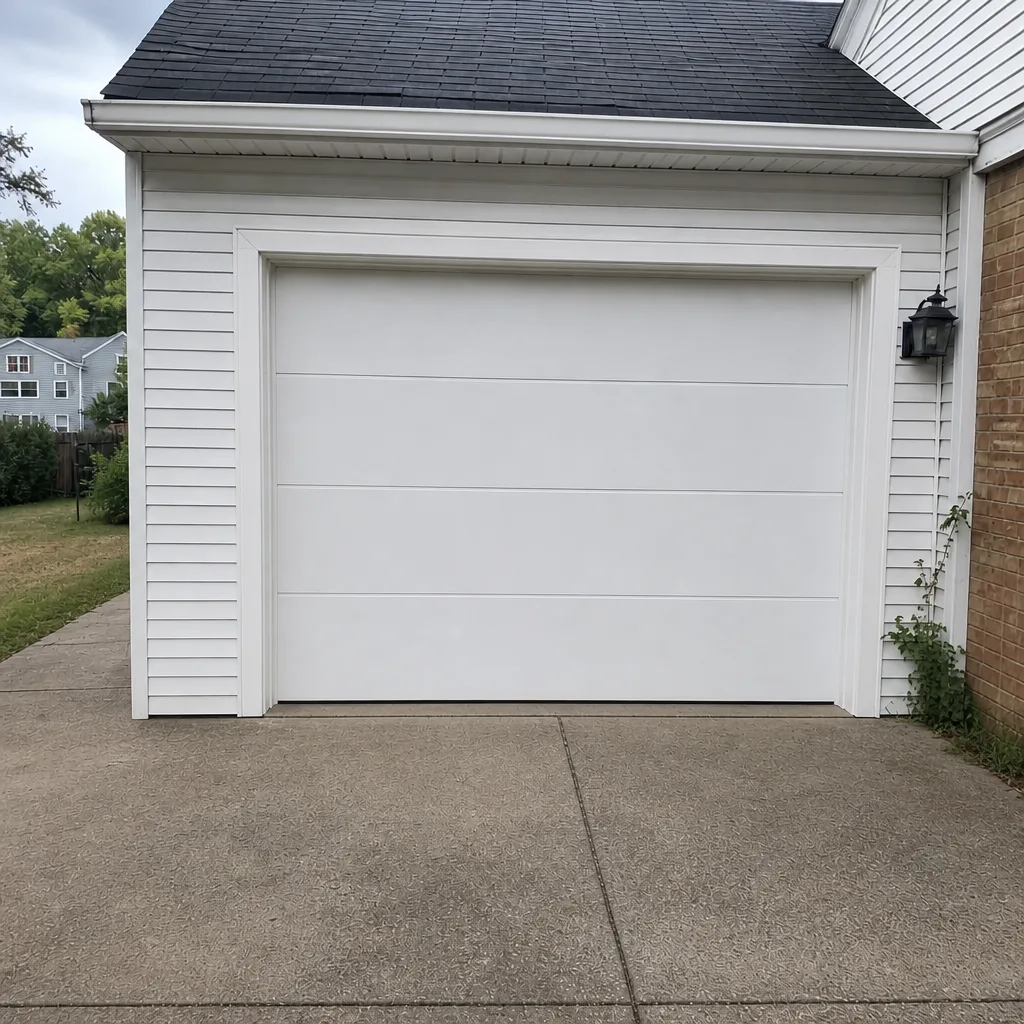 After
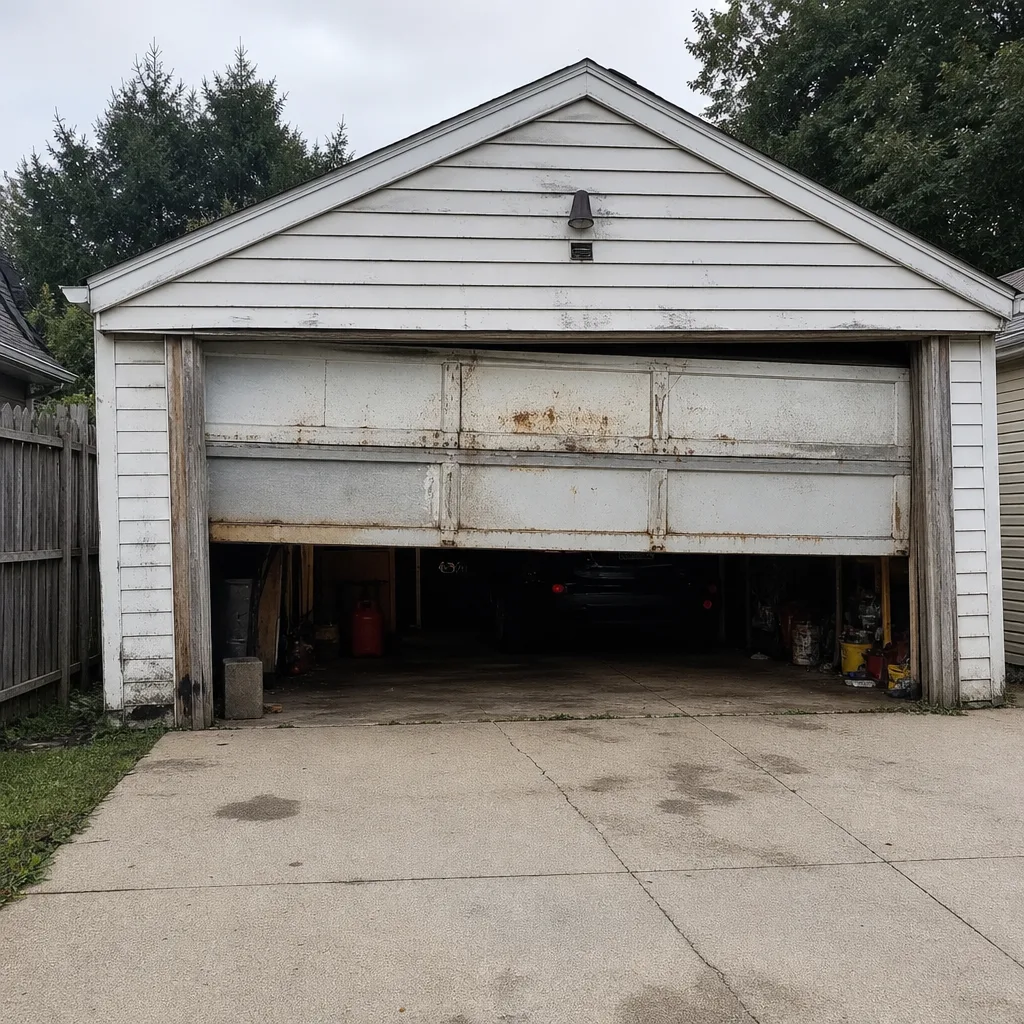 Before
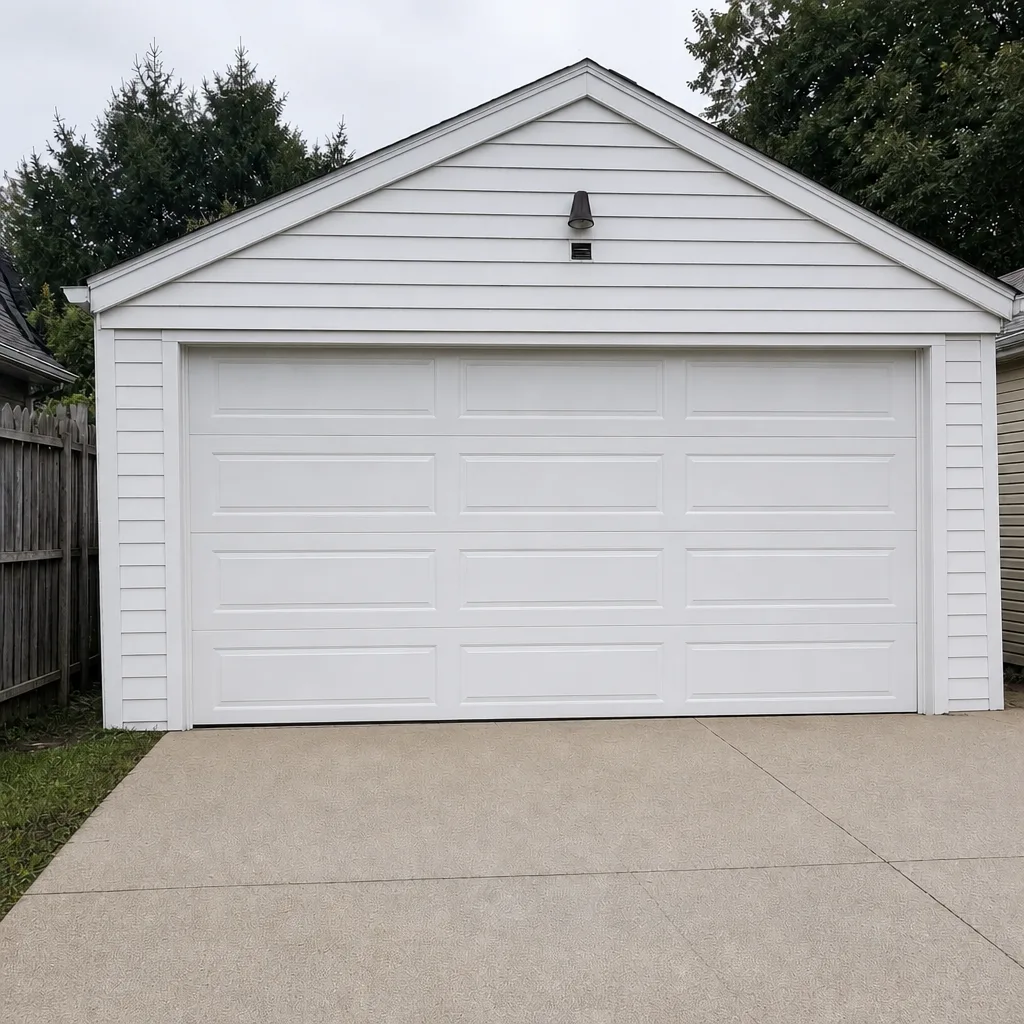 After
When to Call a Professional
Call a professional when you hear a pop or bang, see a door that hangs or drifts, find a snapped cable, or can’t get the door open or closed at all. Those are days-to-failure warnings. Call when the opener grinds, the door jerks, or a panel is warped and you want an honest read on repair versus replacement. And call when you’re not sure: a quick diagnosis beats a guess.
Akron Garage Door Repair Pros offers free estimates in Akron, so call (855) 658-4360. Our technicians have up to 10 years of experience, we work on the brands on your home, and we quote the price and agree it before any work starts. Garage doors are all we do.
Frequently Asked Questions
The first sign is usually a loud pop or bang from above the door, followed by a door that suddenly feels heavy or lifts unevenly. In Akron’s cold snaps, a spring can fail without much preliminary noise, so any sudden heaviness or drift is worth a call. Stop using the door and call (855) 658-4360 for a free estimate.
Not always. Grinding usually points to worn drive gears inside the opener, and on LiftMaster, Chamberlain, and Genie units the gears are often replaceable without a new opener. We diagnose first, then give you a straight answer on cost. Call (855) 658-4360 to book an estimate.
You can wipe down the track and check for debris, but don’t force a bent track or adjust the rollers under tension. Scraping usually means a bent track or jumped roller, and a technician can realign it safely. Call (855) 658-4360 for a free estimate.
Reversing without an obstruction usually means the safety sensors are misaligned, dirty, or the opener’s travel limits are off. Check that the sensor lenses are clear and lined up; if the door still reverses, the limits need a professional reset. Call (855) 658-4360 for a free estimate.
One localized dent or warp is often repairable, but warping that follows the joints, peeling skins, or repeated panel damage points to replacement. Water infiltration and freeze-thaw are common causes in Akron. Call (855) 658-4360 and we’ll measure and give you a written price for repair or replacement.
Monitor grinding, squealing, jerking, and remote range loss. Call today for popping, a door that hangs, drift, a snapped cable, or a door stuck open or closed. When in doubt, call (855) 658-4360; estimates are free and emergency service is available.
The Bottom Line
Garage door warning signs translate directly to specific components: popping means the springs, grinding means the opener, scraping means the track, and drift or a hung door means the springs or cables. Learn the language and you’ll know which warnings are days-to-failure and which allow a scheduled visit. Run the seasonal check, keep the door moving smoothly, and don’t treat a high-tension spring as a homeowner project. When something sounds or looks wrong, we’re a call away, and we diagnose before we recommend. For garage door repair in Akron and around it, we’ve got the brands, the training, and the parts to get your door moving. Reach out through Akron Garage Door Repair Pros.
Call (855) 658-4360 for a free estimate. We’ll take a look, tell you what’s wrong, and agree the price before any work starts.
Written by the team at Akron Garage Door Repair Pros.