Last updated November 20, 2026
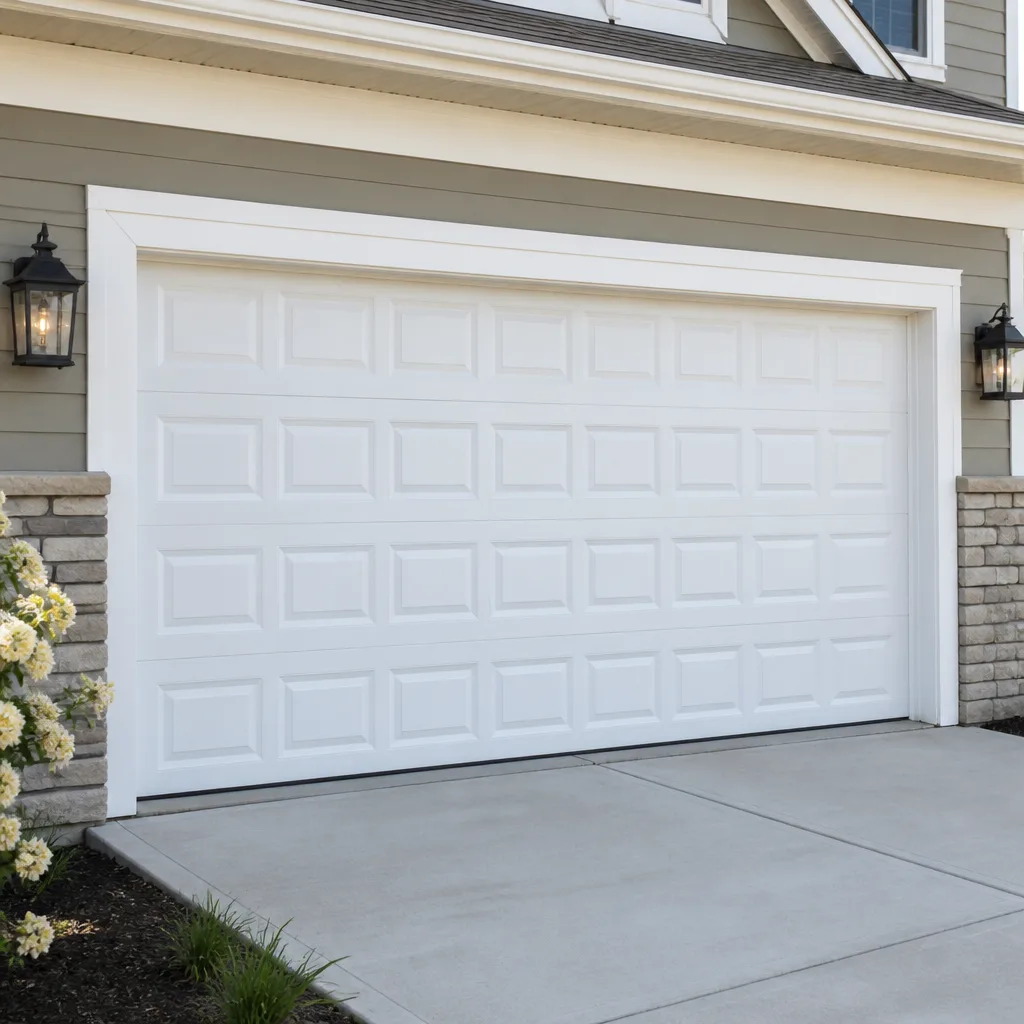 Raised-panel steel
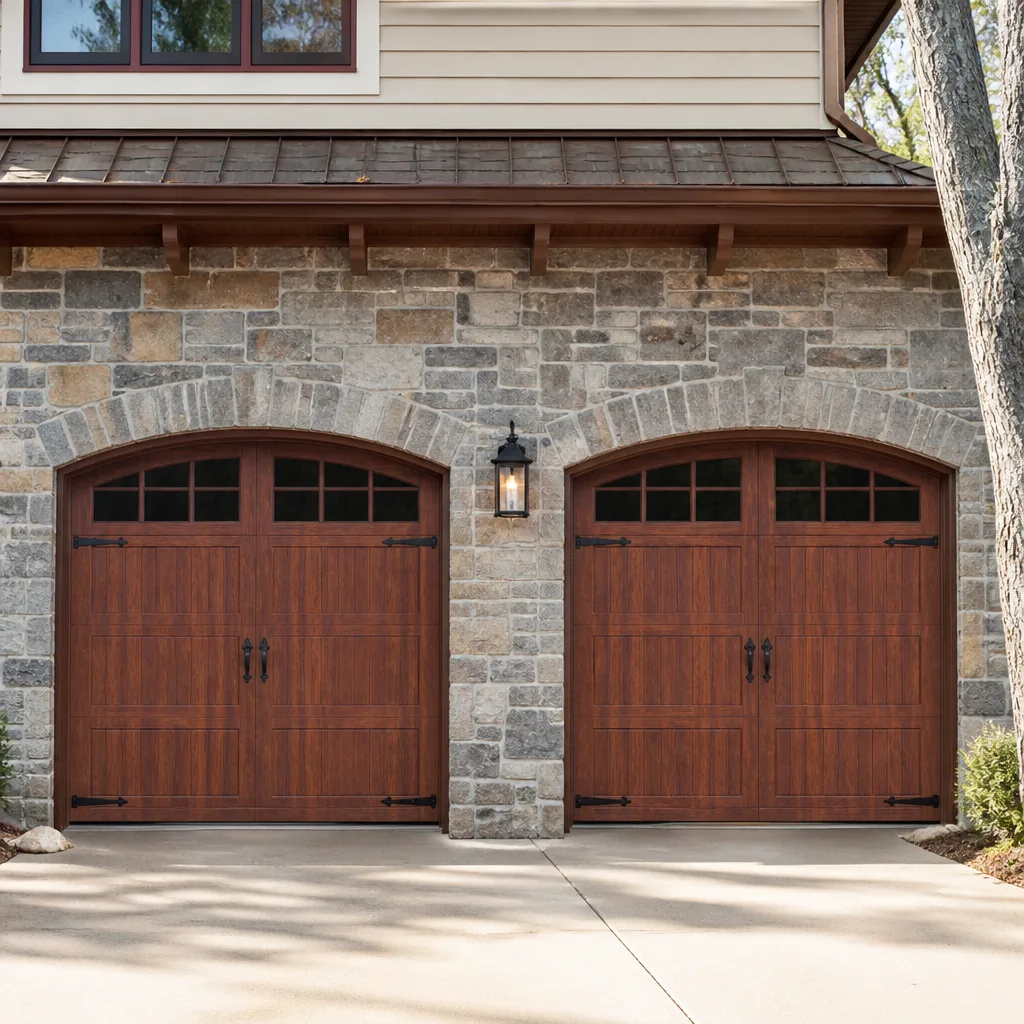 Carriage house
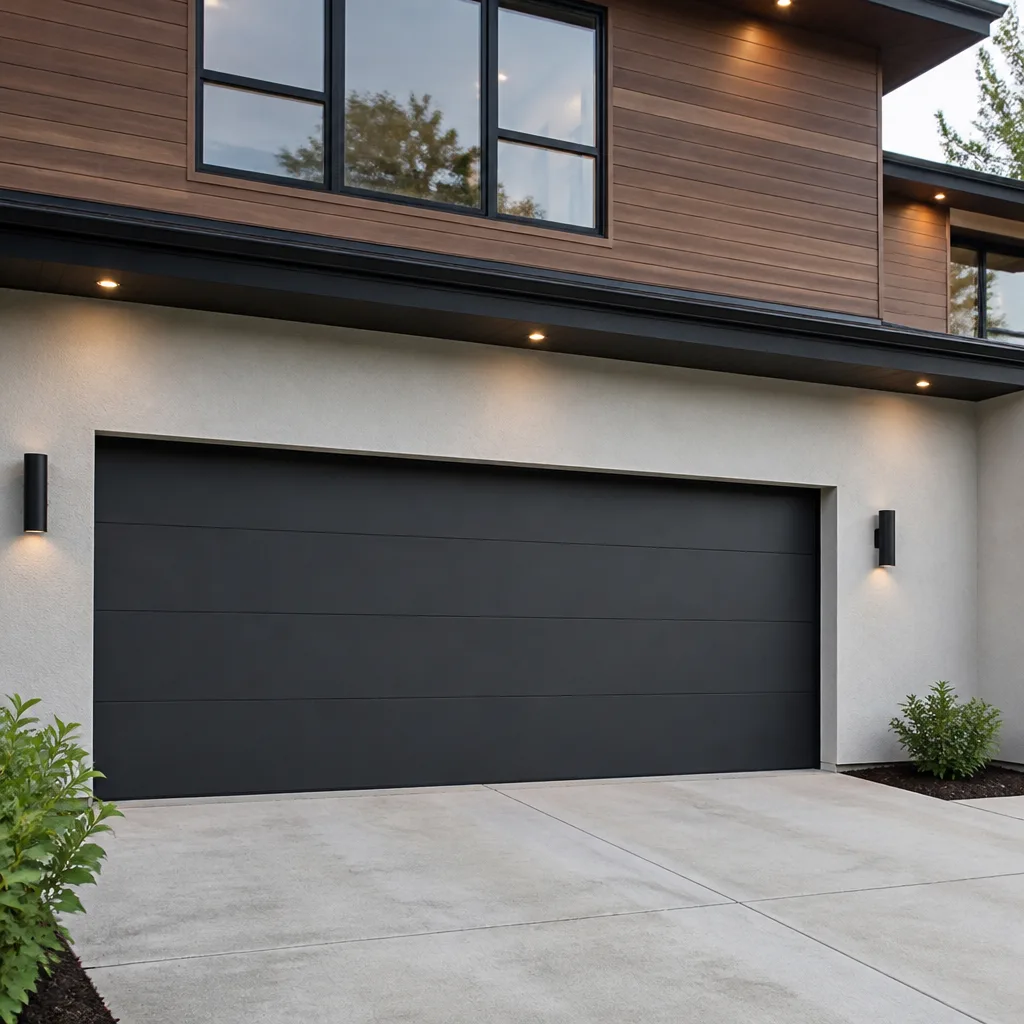 Modern flush
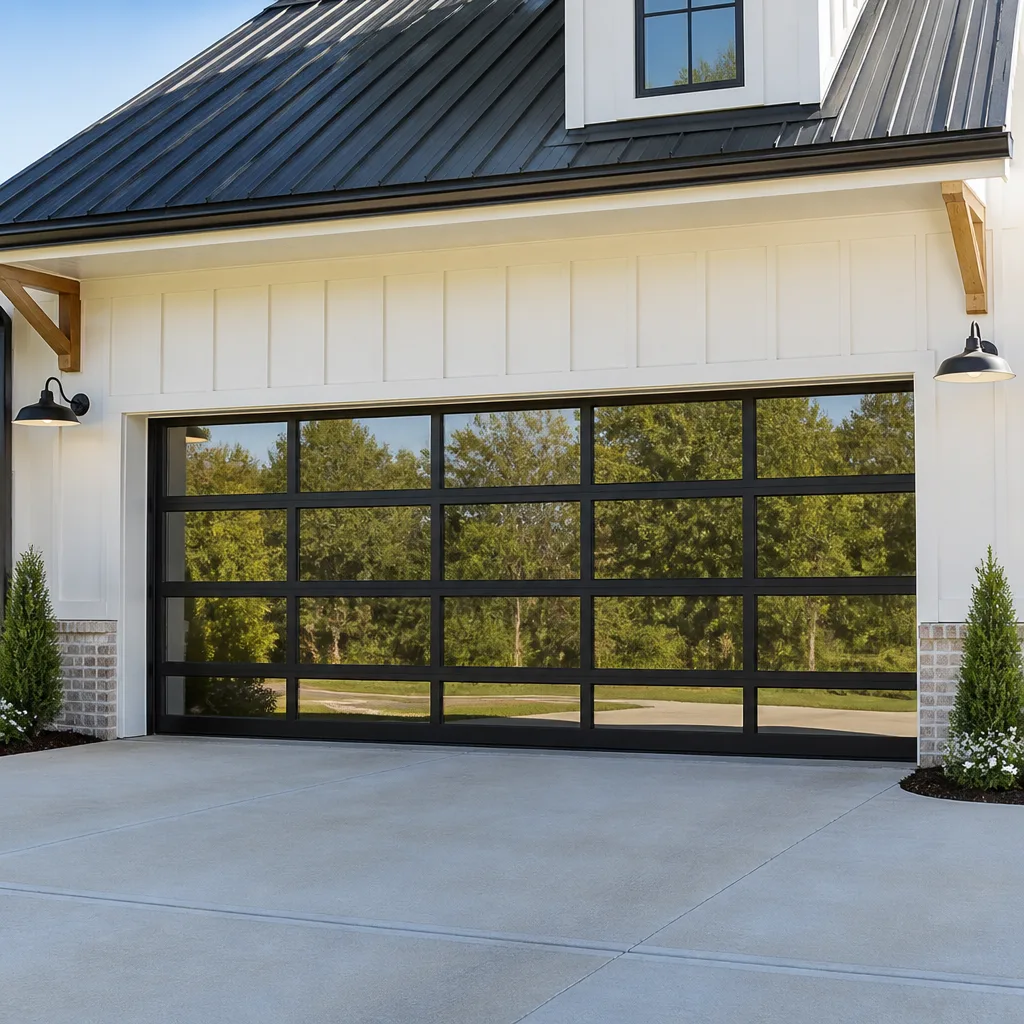 Full-view glass
 LiftMaster openers
 Chamberlain openers
Full 25-point door and opener safety check with every visit - springs, cables, rollers, tracks, and your LiftMaster or Chamberlain opener included
You get a price before we start. It does not change when the pro arrives.
Get your free estimateGarage Door Repair Troubleshooting in Akron: Common Problems and How to Fix Them
Most garage doors don’t fail out of nowhere. They warn you first. The torsion spring that seems to snap out of nowhere at 6 a.m. has been making a different sound for weeks – a low, grinding, tuneless creak instead of the steady whine the door has made for years. The door that won’t close has been reversing six inches off the floor for a week before it finally gave up. Homeowners in Akron miss these signals because nobody explains what a failing spring sounds like compared to a normal one, or what a crooked door is telling you. This guide breaks garage door problems into five mechanical categories, tells you which checks are safe to do yourself and which ones can put you in the emergency room, and shows you how to document the problem before a technician arrives. It’s written for Akron homes and the freeze-thaw winters that stress them.
Quick Answer
Garage door problems fall into five categories: spring and cable failure, track and alignment issues, opener and remote faults, safety sensor problems, and roller or hinge wear. A door that won’t move at all is usually a spring or opener problem; a door that moves crooked or partway is usually a track or roller issue; a door that reverses before closing is usually a sensor or force setting. Visual checks and a manual balance test are safe for homeowners, but spring adjustment and cable replacement are not. In Akron, freeze-thaw cycles and road salt are behind a large share of the track and cable problems we diagnose.
Styles & brands we work with
- Raised-panel steel
- Carriage house
- Modern flush
- Full-view glass
- LiftMaster openers
- Chamberlain openers
Table of Contents
- The Symptom-First Diagnostic Tree
- Tension Problem or Track Problem? Two Symptoms That Look the Same
- Safe Checks vs. Dangerous Ones
- How Akron’s Freeze-Thaw Cycle and Road Salt Break Garage Doors
- When the Opener Runs But the Door Doesn’t Move
- Safety Sensor Problems: The Most Common No-Close Cause
- What Your Door’s Noise Is Telling You
- What to Document Before You Call
The Symptom-First Diagnostic Tree
The fastest way to figure out what’s wrong with a garage door is to stop guessing at parts and start with behavior. Where the door stops and how it moves narrows the problem down to a category before you touch a single bolt. At Akron Garage Door Repair Pros, this is how every service call starts, and it’s the sequence we recommend to any homeowner trying to understand what broke.
Use the door’s behavior to pick your category:
- Door won’t move at all, opener hums or clicks. Start with the opener: the motor may be running, but the trolley is disengaged, the drive gear is stripped, or the motor capacitor has failed. On a door with a torsion spring, a snapped spring is the other prime suspect. Look at the spring above the door – if you see a clean gap in the coil, it’s broken.
- Door moves a few inches and stops. This is usually a force-setting or travel-limit problem on the opener, sometimes a binding track or a failing roller. If the opener reverses after a short travel, the down-force or travel limit needs diagnosis.
- Door travels unevenly, one side higher than the other. Almost always a track out of alignment, a seized roller, or a broken cable on one side. A door that goes crooked and stays crooked is a track problem.
- Door moves but won’t close, reversing a few inches off the floor. Safety sensors or the close-force setting. Check the sensor LEDs first.
- Opener runs but the door stays put. The manual release cord may be pulled, the trolley disconnected, or the drive belt or chain snapped.
Diagnosing the category first is what keeps a small repair small. A crooked door that gets forced through a couple more cycles can bend a panel or pop a cable, and that turns a roller swap into a section replacement.
Tension Problem or Track Problem? Two Symptoms That Look the Same
A sagging door and a crooked door can look nearly identical from the driveway, but tension and track problems come from different systems and need completely different fixes. Misdiagnosing one as the other buys you the wrong repair and can damage the door. This is the mistake we see most often when a homeowner has already bought the wrong part at a big-box store on a Saturday.
Tension problems
Tension problems come from the spring-and-cable system. Signs include:
- The door feels very heavy when you lift it by hand, or drops fast when you lower it (in a door with a torsion spring, never test this by hand until you’ve read our safety section).
- A visible gap in the torsion spring above the door, or an extension spring with a stretched, separated coil.
- A sharp bang from the garage that sounded like a gunshot – the classic sound of a torsion spring snapping.
- The door opens fine but drifts down as soon as the opener lets go.
Track problems
Track problems come from the vertical and horizontal rails and the rollers that ride in them. Signs include:
- The door binds at one point in its travel and then works itself free.
- One side of the door is higher than the other by an inch or more.
- You can see a gap between the roller and the track, or a bent section of track.
- Rollers that are worn flat, cracked, or frozen in their brackets.
One rule of thumb: if the door moves but fights you the whole way, think track and roller. If the door moves freely for a moment and then gets heavy fast, think spring and cable. In a cold Akron garage the difference can matter more, because a stiff roller in freezing weather feels like a heavy door. Reach up and feel one roller at a time – if it turns in its bracket, the track is the problem; if it’s stuck, the roller is done.
Safe Checks vs. Dangerous Ones
A handful of garage door checks are genuinely safe for a homeowner with a flashlight. A few others can permanently injure you, and they’re not obvious from the outside. The red line is stored mechanical energy: any part of the spring-and-cable system is holding thousands of pounds of tension, and it can release in an instant with no warning. This is the safety truth that separates a home inspection from a repair.
Safe homeowner checks
- Visual inspection of the spring. Look from the ground, with the door closed. A clean gap in the torsion spring, or an extension spring coil that’s separated and hanging, means it’s broken. Don’t touch it.
- Check the safety sensor LEDs. One sensor should glow steady, the other should blink when you break the beam. If one is dark, the sensors are misaligned or unplugged.
- Test the manual release. Pulling the red release cord is safe and tells you whether the opener or the door itself is the problem. With the door fully closed, pull the cord and see if the door can be lifted by hand. If it’s dead heavy, stop and don’t try again.
- Check the wall control and the remote. A dead opener wall button is often a tripped breaker or a loose low-voltage wire at the opener head.
- Look for obvious obstructions. A rake handle or a basketball under the door will trip the force setting every time.
Checks that are not safe
- Adjusting or unwinding a torsion spring. Never. The spring is under live tension and the winding bar is the only tool that controls it. A slip can break a wrist or worse.
- Removing a spring or cable. Also never. Cables and springs are a paired system, and cutting one while it’s under tension is how people get hurt.
- Replacing a cable on a closed or open door without first relieving tension. Even many technicians approach this carefully; a homeowner shouldn’t be near it.
- Working under a door held open by a disconnected opener. Use a proper C-clamp or lock on the track or a solid prop. A door held up by a failed opener is not secured.
Our technicians have up to 10 years of experience with the spring-and-cable work, and we treat every spring as hot until proven otherwise. If you have a broken spring in Akron, the call we recommend is to step back, keep the door closed, and book a technician. Spring repair is a core, named service for us, and we carry the right tooling for it.
How Akron’s Freeze-Thaw Cycle and Road Salt Break Garage Doors
An Akron garage door lives a harder life than one in a warm climate, and it shows up in two specific places: the concrete the door sits on and the cables feeding it. When a door is misbehaving after a cold snap, one of these two is often the real culprit, not the opener or the panel.
Freeze-thaw and the slab
Akron winters cycle through freezing nights and above-freezing afternoons for weeks. Water finds every crack in the garage slab’s expansion joints and hairline fractures, freezes, and expands. Over a handful of seasons, that heaves the concrete slab unevenly. The garage door frame and the vertical tracks are anchored to that slab, so when the slab moves, the tracks follow. The result is a door that closes square in September and stops two inches short in January because the track is no longer plumb. A garage door that drags or stops on its own in cold weather is often a symptom of slab movement, not a worn opener.
Road salt and cable corrosion
In homes with an attached garage, the family car pulls in dripping with Akron’s winter road salt. That salt spray lands on the door’s bottom section and the cables that run down the rear of the tracks. Over a season or two, the steel strands of the cable start to corrode from the inside out, and the cable can fray before anyone notices. The warning signs: a cable that looks fuzzy or bird-caged along its length, a door that rides slightly higher on one side, or a door that goes slack when you lift it.
If you keep your car in the garage and notice any of that, take a photo of the cable and get a professional inspection. Cables can only be replaced safely with the spring tension released, and this is not a job for a homeowner. We also recommend a quick visual of the cables and the bottom rubber seal once a season before the salt gets going.
When the Opener Runs But the Door Doesn’t Move
If you hear the motor run and the door stays put, the problem is almost always between the opener head and the door. The door and the opener are two separate systems, and picking the right one is the whole trick. We work on LiftMaster, Chamberlain, Genie, Craftsman, Raynor, and the rest of the major brands, and this exact call comes up often.
Here’s the order to check, easiest first:
- Manual release. Is the red pull cord down and disconnected? If so, the opener is running but the trolley is free. Re-engage it by pulling the cord back toward the opener and cycling the door once.
- Trolley and drive gear. Look at the carriage where the trolley meets the door arm. On many openers, a broken plastic drive gear inside the opener head is the failure – the motor whines but the chain doesn’t move. That’s an opener repair, not a door repair.
- Chain or belt tension. A slack belt or a chain with a broken link will let the motor run dry. Check that the belt/chain is on both sprockets and not hanging loose.
- Limit and force settings. An opener that travels a few inches and stops may have a travel limit set wrong for the door. On a LiftMaster or Chamberlain, that’s usually a limit switch on the back of the head.
- Capacitor. On a door that only clicks, the start capacitor may have failed. That’s a bench-level repair.
If the opener is over ten years old, the repair may not be worth it compared to replacement, and a technician should tell you that honestly, not just sell you a new head. When you’re ready to have this looked at, our garage door opener repair team works on your exact brand and model, and we quote the fix before we start.
Safety Sensor Problems: The Most Common No-Close Cause
A door that goes down, stops, and comes back up is nearly always a safety sensor problem. The two photo-eye sensors at the bottom of the tracks are looking for each other, and if anything breaks that beam or blocks the signal, the door reverses on purpose. It’s the most common no-close cause in Akron homes, and it’s also the one a homeowner can usually fix.
Here’s the five-minute sensor check, all safe to do:
- Look at the LEDs. On most brands, each sensor has an LED. A steady green means it’s powered and aligned; a flickering or dark LED means the beam is broken or the sensor is dead.
- Clear the track. A stray leaf or a spider web across the lens is enough. Wipe both lenses with a soft cloth.
- Check alignment. The two sensors should face each other squarely at the same height. You can often see the LED go solid just by nudging the bracket a hair.
- Check the low-voltage wire. The sensor wire runs down the track to the opener head. A staple pushed too hard, or a wire pinched by a door roller, can cut the signal. Wiggle it gently and watch the LED.
- Check the sunlight angle. Low winter sun straight into one sensor can wash it out. In that case the fix is a sun shield or a re-aim.
If both LEDs are solid and the door still reverses, the problem is usually the force setting, which means the opener needs a technician to adjust correctly. Don’t force it by holding the wall button – that’s how doors get damaged. If the door’s photo-eye wire is frayed at the bracket, we’d recommend our garage door repair team look at it before the next freeze.
What Your Door’s Noise Is Telling You
The noise a garage door makes is a diagnostic signal, and each sound points at a different part. Most Akron homeowners tune it out until something breaks. Here’s what each one means:
- A steady low whine or hum. Normal. The opener’s motor and the chain or belt. If the pitch changes at a specific point in travel, the chain needs lubrication.
- A rhythmic scraping or squeaking that repeats in time with the door’s movement. A worn or dry roller. The roller’s bearing is running dry. Lubricate the rollers with a proper white lithium or garage-door-specific spray, and replace ones that are cracked or flat.
- A sharp bang from overhead when you open the door. A broken torsion spring. This is the loudest and most urgent one. Stop and call.
- A popping or snapping as the door opens. A cable under tension starting to fray, or a torsion cable slipping its drum. Don’t run the door again.
- A metal-on-metal grind. A track problem, or a set of worn rollers riding the track wrong. Inspect the track for a dent or bend.
- A thumping or rattling at the end of travel. The door hitting its travel limit too hard. Back off the limit slightly and cycle it once; if it persists, that’s an opener adjustment.
- Silence, then a click. The opener receives the signal but the motor doesn’t start. That’s an opener control board or a jammed trolley.
We’ve found that most of these need one part, not a new door. A worn roller is a small repair; a grinding track is a two-person track realignment. The one you should never diagnose by feel is the spring – the sharp bang means the spring is done, and the door shouldn’t be opened again until it’s replaced.
What to Document Before You Call
Every minute a technician spends gathering symptoms is a minute you’re paying for. A few photos and a two-line description of what your door is doing can cut the diagnostic time on a service call and keep the quote honest, because the technician arrives knowing what part to bring. This is what we ask every Akron caller to have ready.
- Two photos of the door, one closed and one at the point where it fails. If the door stops or reverses at a specific spot, take the photo while it’s stuck there.
- A close-up of the spring above the door, and one of both cables. Include a section of the track where the door binds or scrapes.
- The opener’s brand and model. Stamped on the back or underside of the head. LiftMaster, Chamberlain, Genie, and Raynor all have their own service and setup steps, so naming the brand saves time.
- A one-sentence behavior note. “Door reverses three inches off the floor and the left sensor is dark.” That kind of note cuts straight to the cause.
- Whether the door is safe to leave open or closed. If it’s stuck open in a home with pets or kids, say so when you call.
When a technician arrives with the right part and the right diagnosis, there’s no upsell pressure and no wasted trip. If you’ve already taken the photos, you can send them when you call. For a homeowner considering a whole replacement rather than another repair, our garage door installation team can work from the same photos and give you a written quote.
Common Mistakes to Avoid
- Force-closing the door to “test” it. Holding the wall button down or overriding the reverse is how doors hit people and panels buckle. The reverse setting exists for exactly this reason, so listen to it.
- Trying to wind a torsion spring with a screwdriver. A screwdriver is not a winding bar, and the spring stores enough energy to break bones. Leave spring adjustment to a trained technician.
- Ignoring a crooked door because it still opens. A door that goes up cocked will eventually drop a cable or bend a panel. The repair is cheaper now than after the drop.
- Buying a random opener at a big-box store. A new opener that doesn’t match your door’s weight, track, or your existing wall control can make the problem worse. Match the opener to the door and the brand.
- Using WD-40 on rollers and hinges. It attracts dust and gums up the bearing, which makes the squeak worse within a month. Use a lithium or silicone garage door lubricant.
- Skipping the seasonal check before the first hard freeze in Akron. Test the reverse, look at the cables, and clear the track every fall so the first 20-degree morning doesn’t turn a $12 roller into a $300 repair.
- Opening the door again after a loud bang. A broken spring means the door is being held up by the opener and the cables, and that’s dangerous. Keep the door shut and book the repair.
See the difference
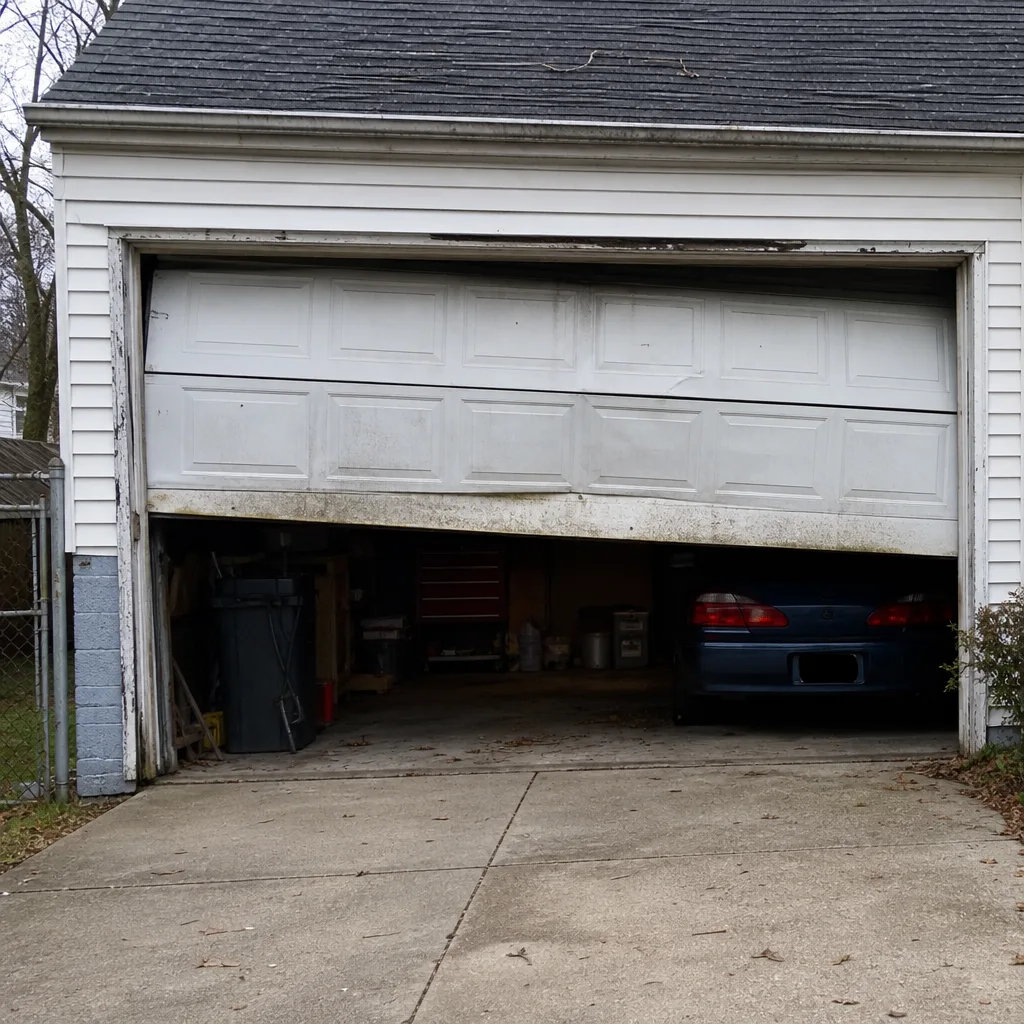 Before
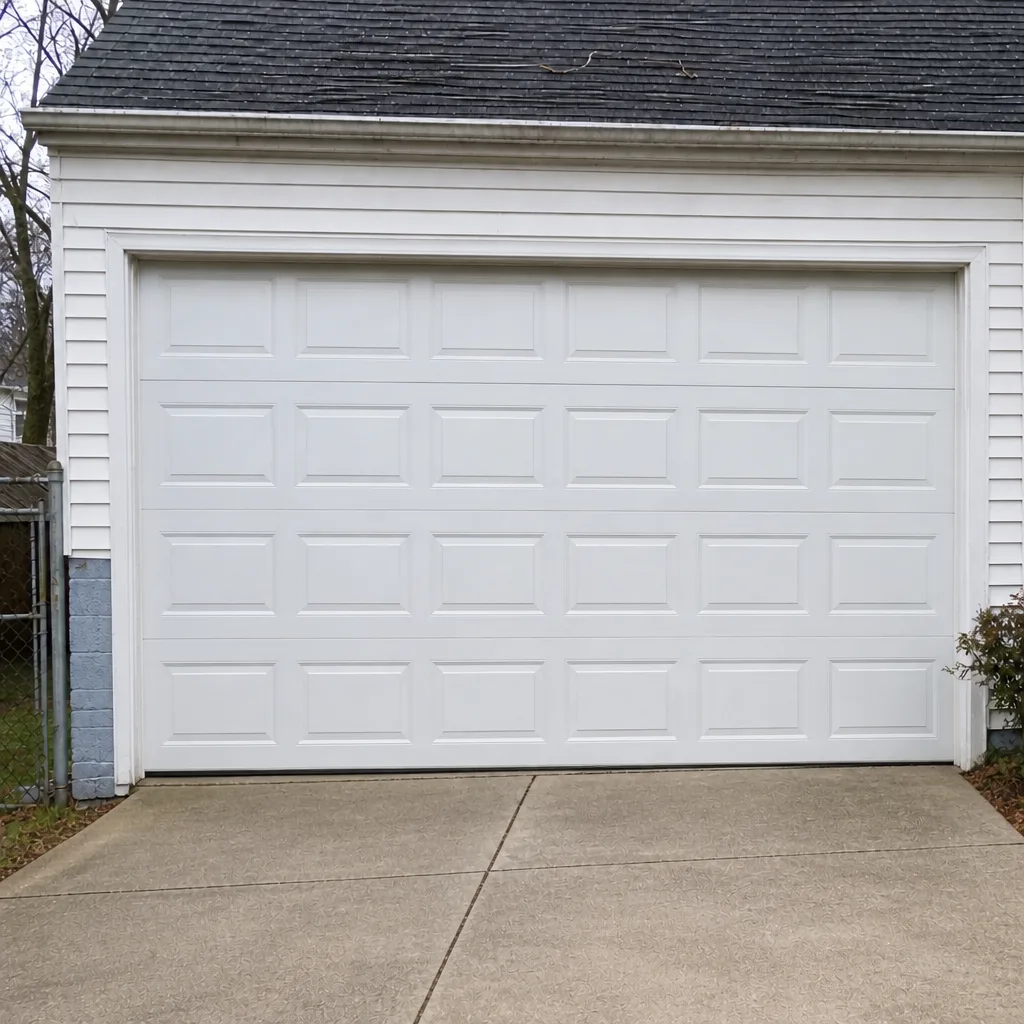 After
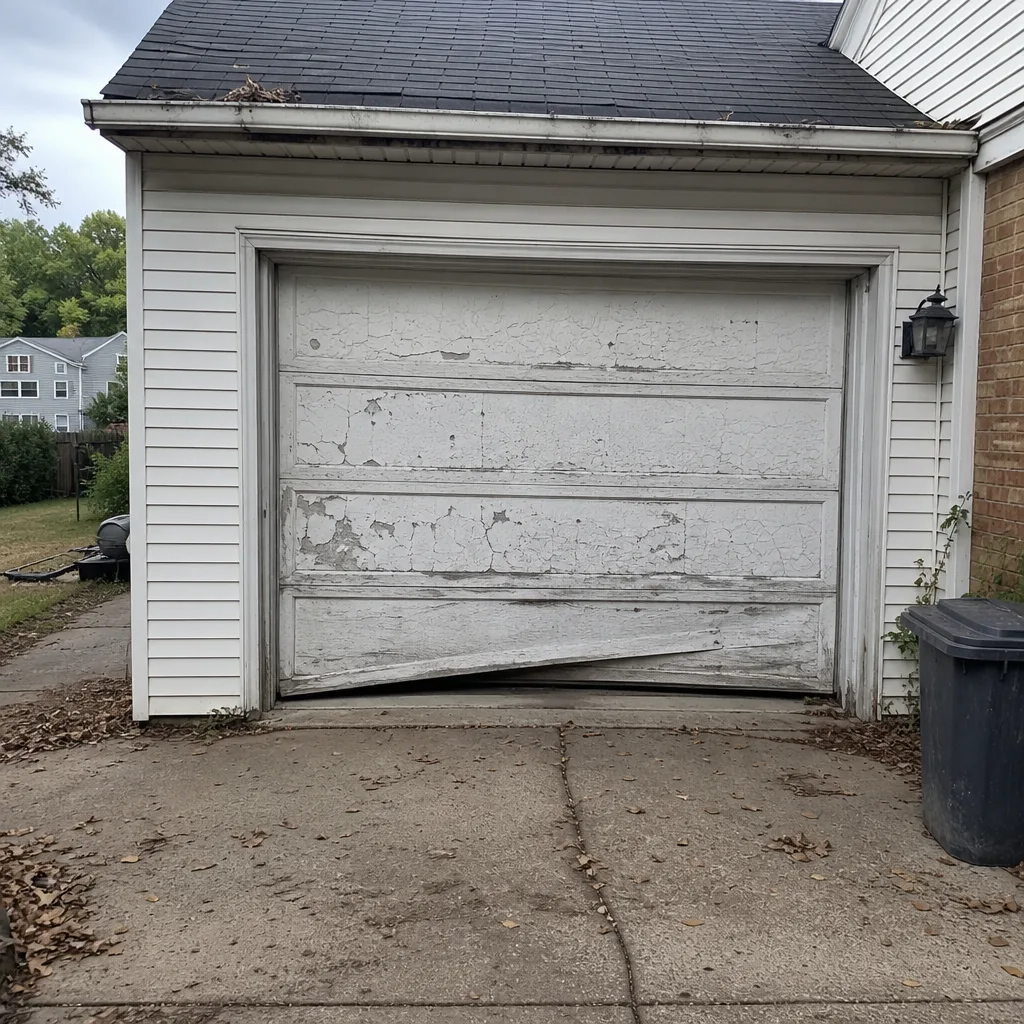 Before
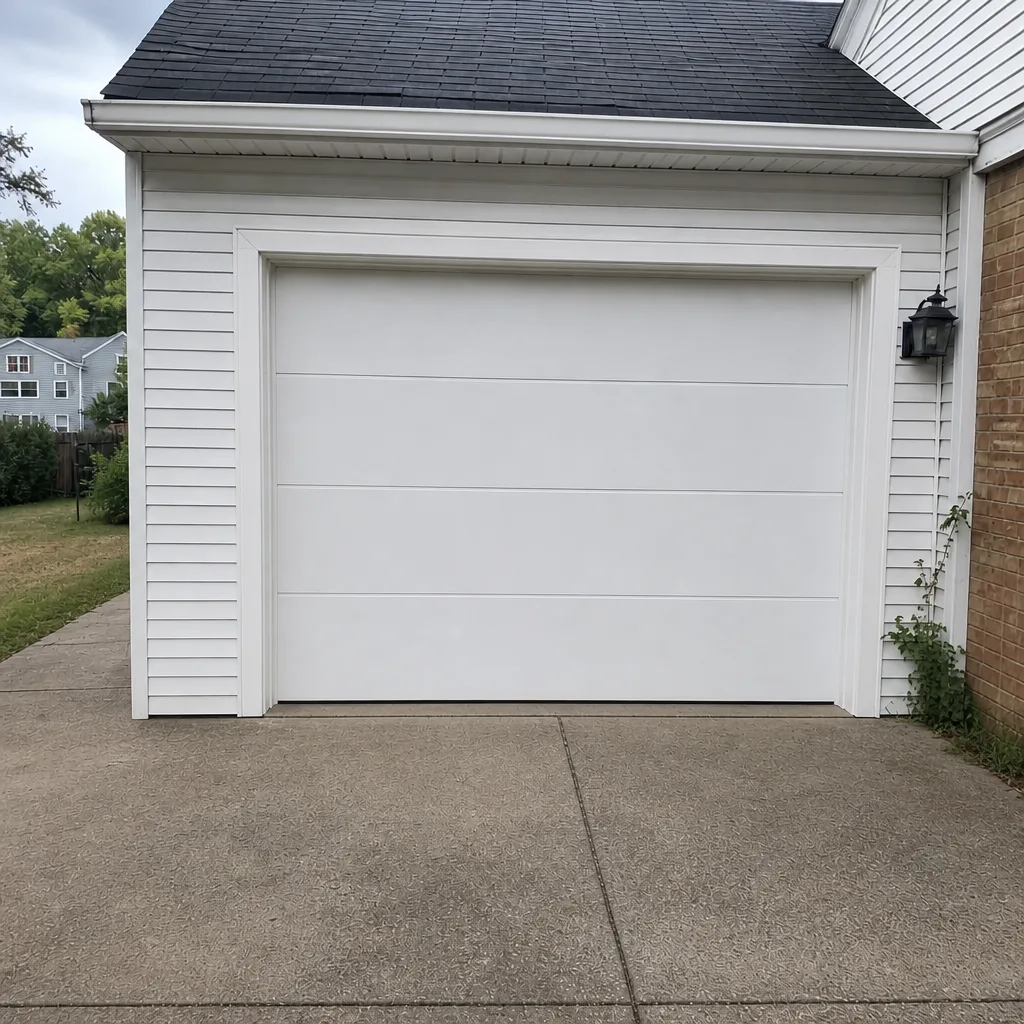 After
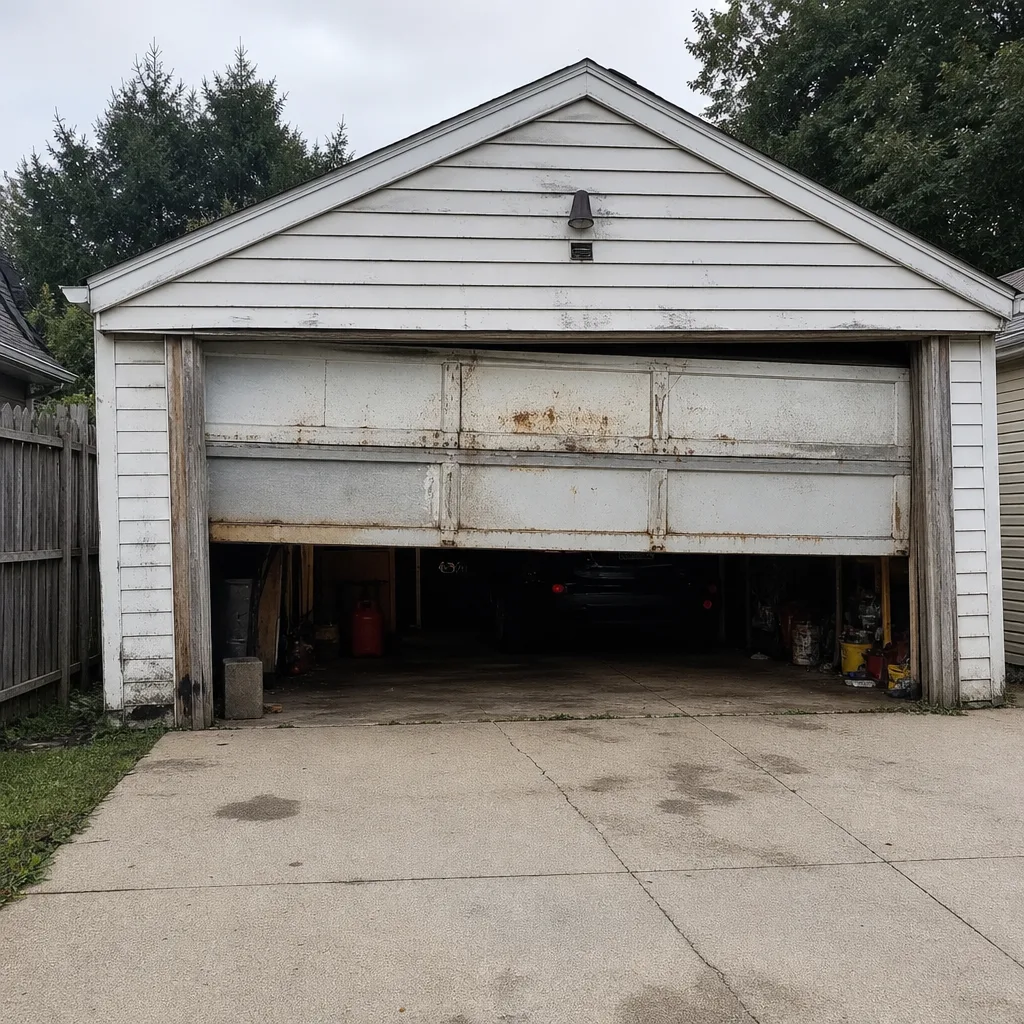 Before
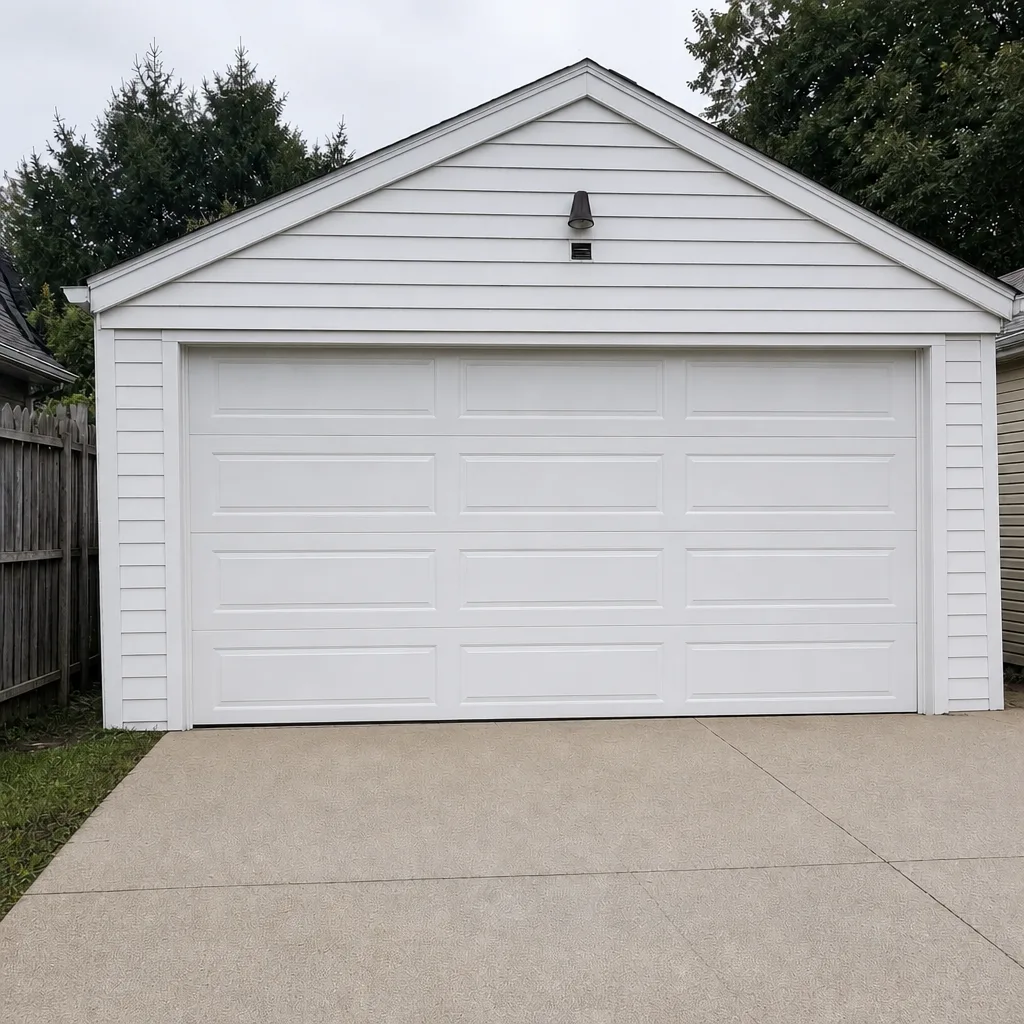 After
When to Call a Professional
Some garage door problems are genuinely safe to look at and diagnose yourself; some are not. Call a professional when the spring has snapped, when a cable looks frayed or bird-caged, when the door has come off the track, or when the door is stuck open and the house is unsecured. Call when the opener only clicks and the door is heavy, or when the door reverses on its own no matter how you adjust the sensors. Call when the door has become hard to open by hand – that’s a sign the springs are losing tension or a cable is failing. Akron Garage Door Repair Pros offers emergency garage door service for doors stuck open or closed, and free estimates whether you’re on a schedule or not. Our technicians are trained for the spring-and-cable work, and we carry the parts for the major brands. Call (855) 658-4360 for a free estimate.
Frequently Asked Questions
A single torsion spring repair typically falls in a rough estimate range you should get in writing before any work starts, and a matched pair, which is what gets replaced together, runs roughly double a single spring. We always confirm the exact price with a written estimate before the technician touches the door, so you know the number before the work begins. The written estimate is the price. Call (855) 658-4360 for an exact quote; estimates are free.
Yes, a door stuck open is one of the emergency situations we treat as urgent. A garage door that’s stuck open leaves your Akron home exposed, so we offer emergency garage door service for exactly this. Call (855) 658-4360 and tell us the door is stuck open and whether it’s safe to leave it.
No, the price you agree to before the work starts is the price. The written estimate is based on the diagnosis, and any extra part the technician finds after getting to the door is quoted to you and agreed before it’s installed. We don’t do add-ons you didn’t ask for. Call (855) 658-4360 for a free estimate.
The local professional we connect you with is licensed and insured as Ohio requires. Our technicians have up to 10 years of experience, and spring and cable work is a core part of what they do rather than a side job. We quote the repair before we start. Call (855) 658-4360 to book.
No, spring replacement is not a safe DIY job. The torsion spring stores enough live tension to cause serious injury, and the winding bar and the release procedure are the only way to control it. A homeowner with a broken spring should keep the door closed and call a trained technician. Call (855) 658-4360 for spring repair.
A door that opens a few inches and stops in cold weather is usually binding in a track that shifted with the slab, or the opener’s force setting is too low for the stiffer door. Akron’s freeze-thaw cycle heaves the garage slab, and the tracks follow. A technician can realign the track and check the opener setting. Call (855) 658-4360 to schedule.
The Bottom Line
The five failure categories – spring and cable, track and alignment, opener and remote, safety sensor, and roller and hinge wear – cover nearly every problem you’ll meet on an Akron garage door. Diagnose the behavior first, not the part. If you’re comfortable, do the flashlight-and-LED checks; if you hear the sharp bang of a snapped spring or see a frayed cable, stop and call. Akron’s freeze-thaw winters and road salt accelerate track and cable wear, so the fall check is worth the ten minutes. Knowing which category you’re in tells you whether you’re looking at a small repair or a call that needs a technician. Call (855) 658-4360 for a free estimate and a written price before any work starts.
Written by the team at Akron Garage Door Repair Pros.