Last updated November 20, 2026
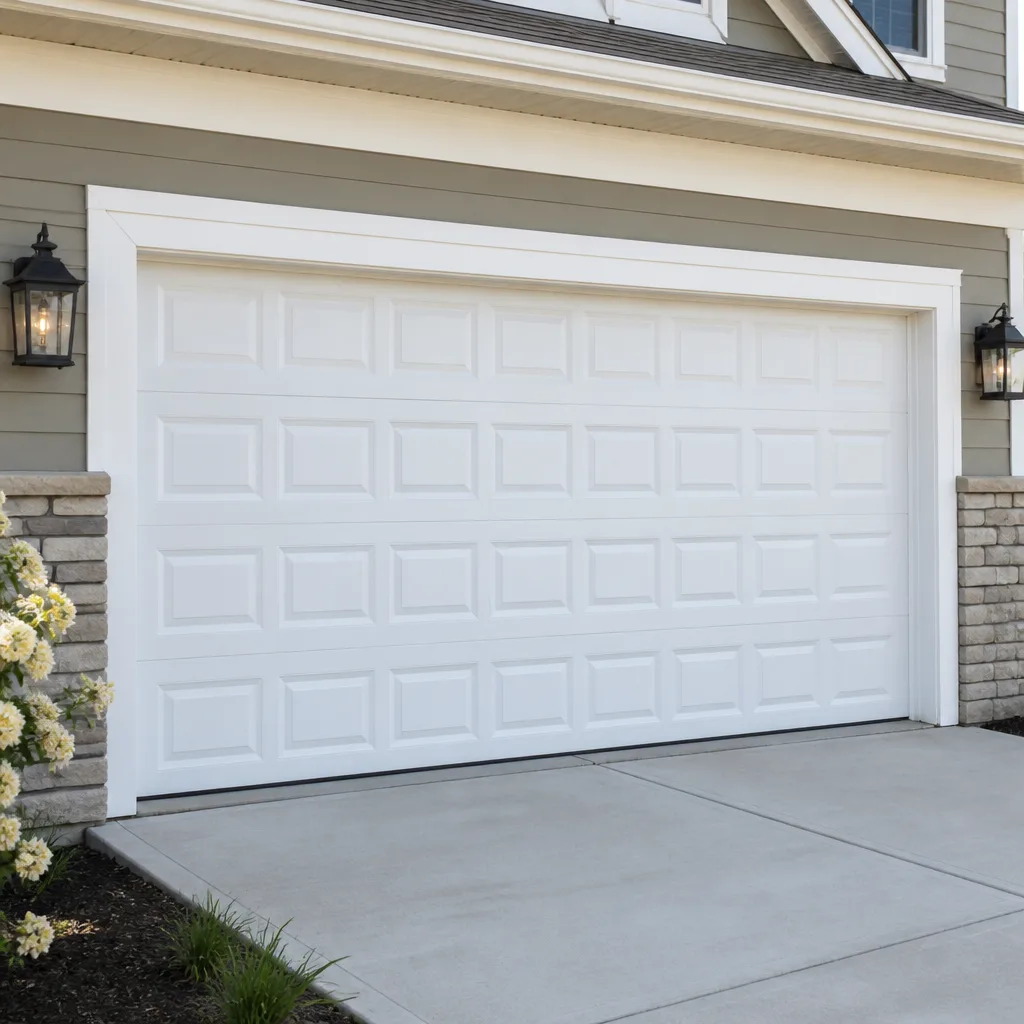 Raised-panel steel
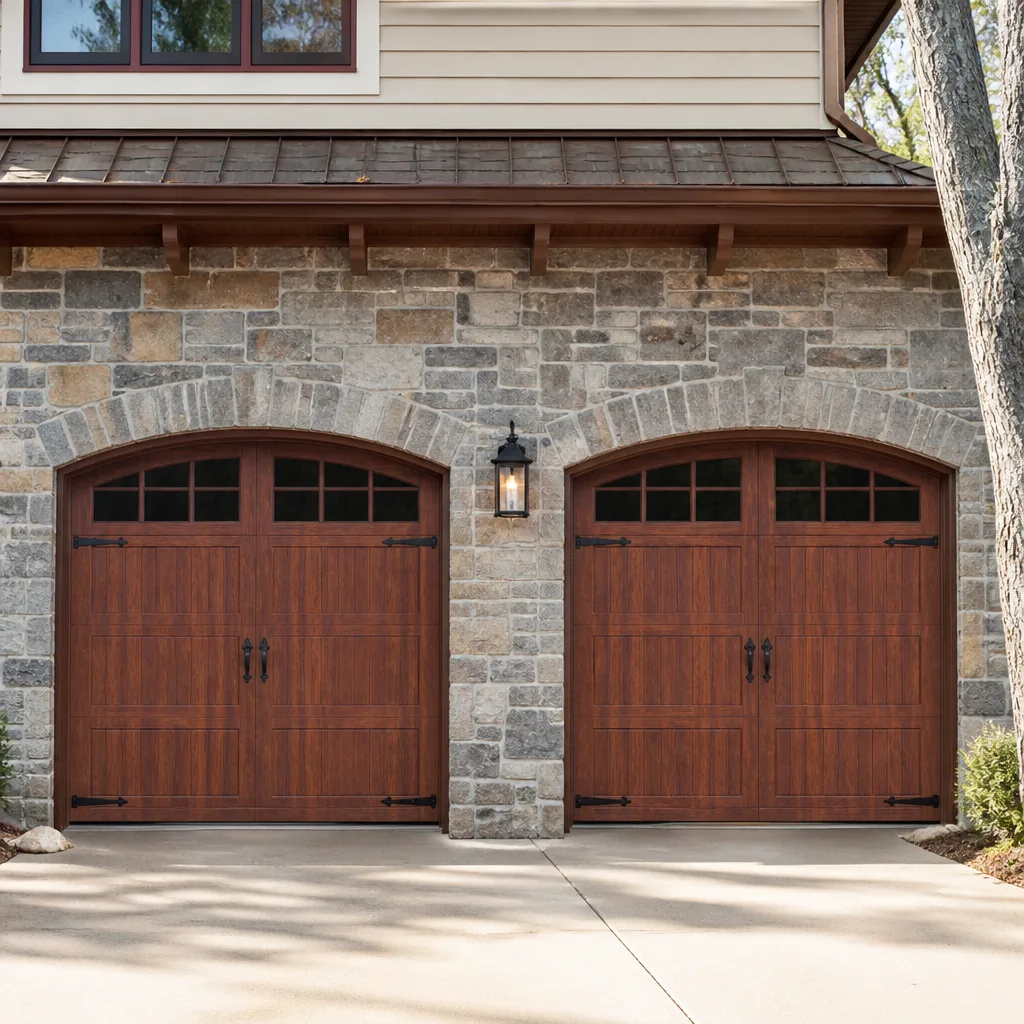 Carriage house
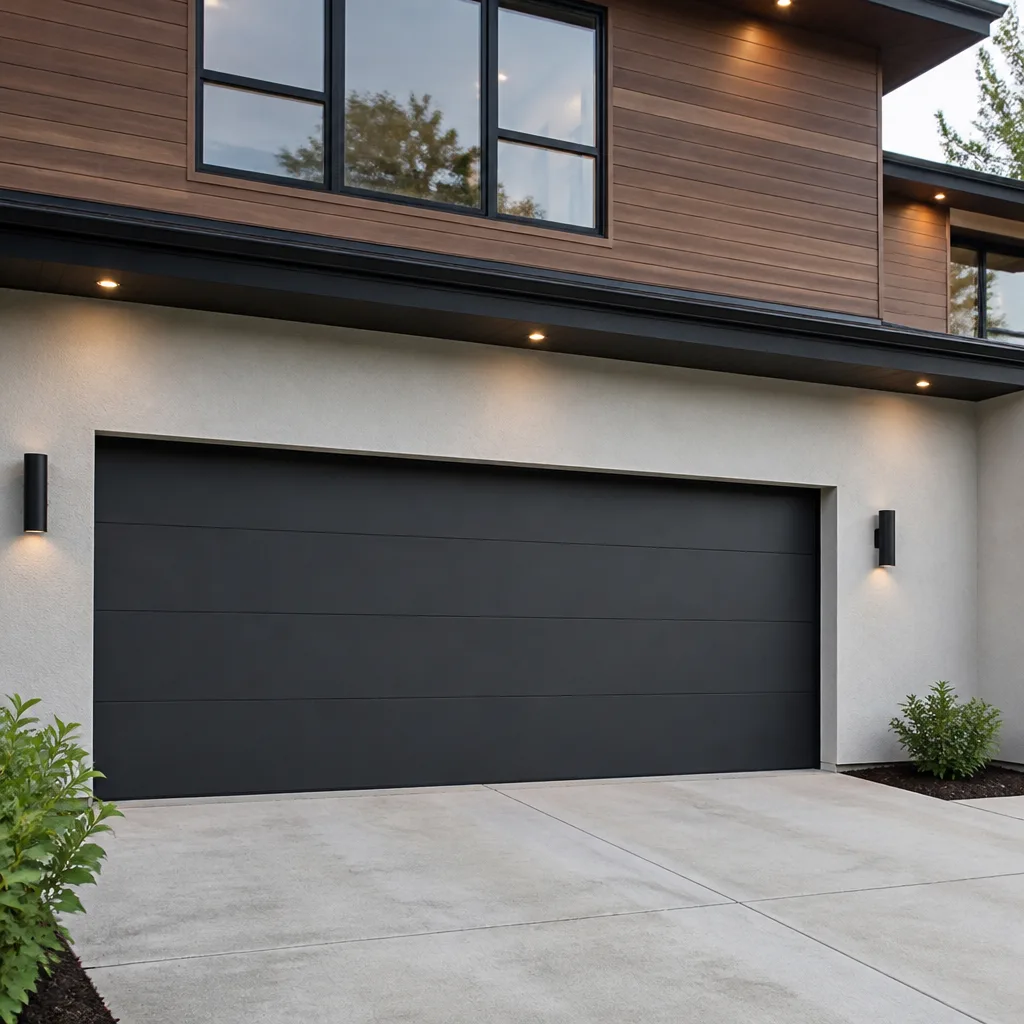 Modern flush
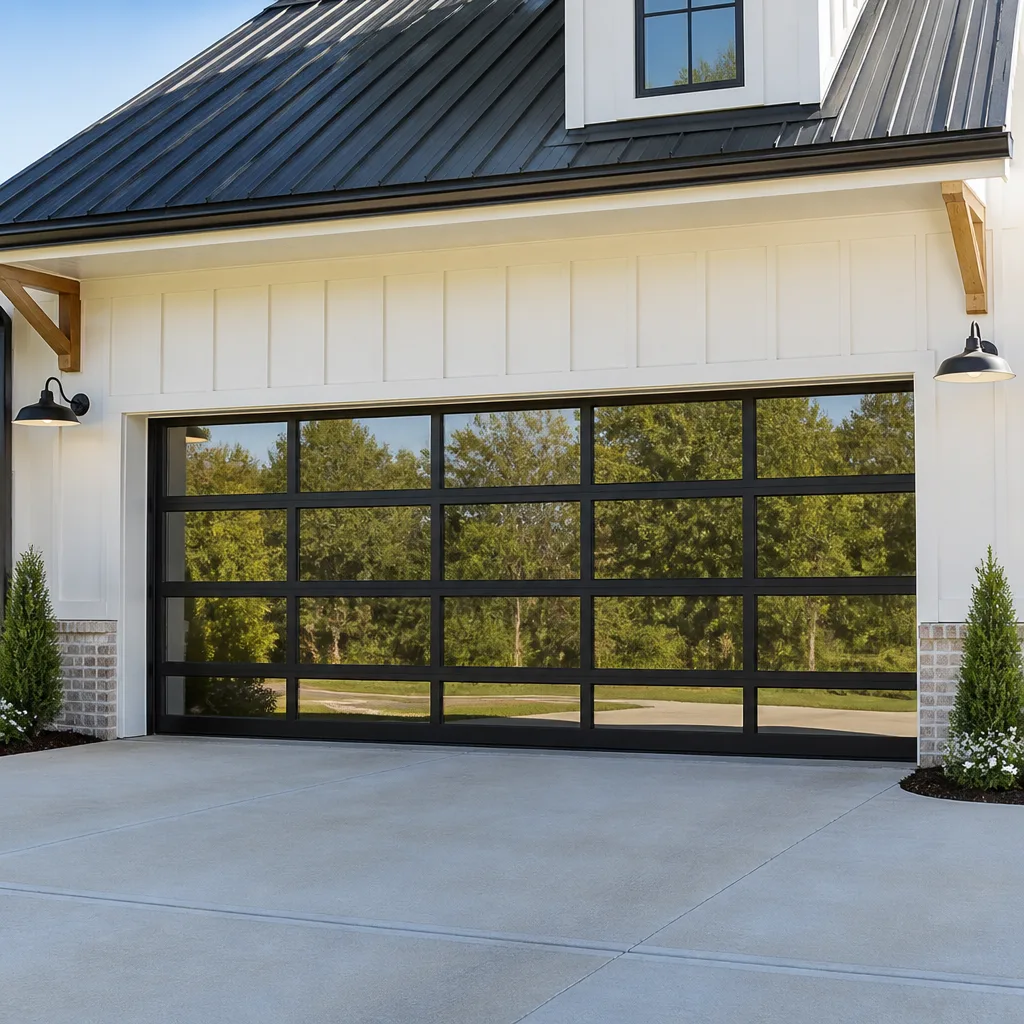 Full-view glass
 LiftMaster openers
 Chamberlain openers
Full 25-point door and opener safety check with every visit - springs, cables, rollers, tracks, and your LiftMaster or Chamberlain opener included
You get a price before we start. It does not change when the pro arrives.
Get your free estimateGarage Door Repair Maintenance Schedule: What to Do and When
Lubricating your garage door hinges every three months sounds responsible. But if you’re spraying WD-40 on nylon rollers, you’re not preventing wear, you’re attracting grit that grinds the roller down faster. Most published maintenance schedules are written to a calendar, not to the door. They tell you to check everything in spring and fall regardless of how often the door actually moves, which means low-wear parts get attention they don’t need while the components that genuinely fail get ignored. In this guide we’ll walk through a usage-based schedule built around cycles, name the right lubricant for each component, and cover what Northeast Ohio winters do to a door in Akron. You’ll finish with a plan you can actually follow.
Quick Answer
A working maintenance schedule for a garage door is based on cycles, not seasons: inspect and tighten at roughly 500 cycles, lubricate metal moving parts and test the safety reverse twice a year, verify spring balance and cable condition annually, and book a professional service visit every two to three years. On top of that cycle-based rhythm, Northeast Ohio homeowners in Akron should add two seasonal tasks each fall: a bottom seal and weatherstrip check before the first hard freeze, and a track and spring inspection after ice events.
Styles & brands we work with
- Raised-panel steel
- Carriage house
- Modern flush
- Full-view glass
- LiftMaster openers
- Chamberlain openers
Table of Contents
- Why Calendar Schedules Fail and Cycles Don’t
- How to Count Your Door’s Cycles
- The Cycle-Based Schedule: 500 Cycles, Annually, and Every Five Years
- The Right Lubricant for Every Component
- What Northeast Ohio Weather Adds to the Schedule
- Build Your Own Printable Task Log
- The Three Tasks That Can Void a Manufacturer Warranty
- What a Professional Service Visit Covers
Why Calendar Schedules Fail and Cycles Don’t
A garage door is a machine that wears by use, not by time. A door that opens twice a day in a quiet Akron household and a door that opens fifteen times a day on a busy property take completely different amounts of abuse, yet a quarterly calendar schedule treats them identically. The result is predictable. The light-use door gets over-lubricated and its rollers get gummy. The heavy-use door goes months past the point where its hinges, bearings and opener drive needed attention.
Springs are the clearest example of this mismatch. Every cycle of the door puts a torsion spring through a full load-and-release, and a spring is rated for a finite number of cycles, not a number of months. A high-cycle spring and a standard spring can live in the same model of door with wildly different lifespans depending on use. A calendar schedule can’t tell you which one you’re looking at. A cycle count can.
The other problem with seasonal schedules is that they’re usually copied from a generic home-maintenance checklist. They’ll advise you to “check the springs” and “oil the hinges” without saying what a healthy spring looks like or which oil to use. That’s not a schedule, it’s a checklist of nouns. In our experience across doors in Akron, the questions homeowners actually ask aren’t “when should I oil something” but “which oil does what, and why does it matter.”
There’s a second layer worth knowing: the door and the opener are two separate systems. The door is springs, cables, tracks, hinges, rollers and panels. The opener is the motor, the drive rail or belt, and on modern units the logic board and network connection. They wear at different rates and fail for different reasons. A maintenance schedule that lumps them together misses half the picture.
How to Count Your Door’s Cycles
Most homeowners have never counted their door’s cycles, and that’s the single gap that makes a real schedule impossible. A cycle is one full open and close. Here’s how to get a working number without any special equipment.
- Count your normal daily traffic for three days. Write down every time the door goes up and comes back down: morning departure, return, a second trip out, a delivery person, a child retrieving something. Divide the three-day total by three.
- Check your opener’s remote or wall button usage. If multiple people use the door, ask each of them how many times they open and close it on a typical day. Add it all together.
- Multiply your daily count by 365. That’s your annual cycle estimate. A household that opens the door six times a day will hit about 2,200 cycles per year. A household at two a day lands near 730.
- Pull the cycle count from your opener if it has one. Some newer LiftMaster and Chamberlain openers with smart-home integration report door activity in their app, and some display it in the opener’s own settings. Check yours before you estimate.
- Record the starting number and date on your log so future checks know where to look back from.
Once you have your annual cycle count, the schedule sorts itself out. A door under about 1,000 cycles a year can follow the lighter end of the timeline below. A door above 2,500 cycles a year should have its metal hardware inspected and lubricated closer to every three months rather than twice a year, and should be professionally serviced on the shorter interval. If you want a repair or inspection scheduled to that rhythm rather than a fixed season, we book by what the door actually does. The place to start with any of it is our Akron Garage Door Repair Pros page, where we explain what a visit covers.
One more note: commercial doors and doors on multi-unit properties run a different schedule entirely. They can hit several thousand cycles a month, and the maintenance intervals that would be wasteful on a residential door become too long for them. If you manage property, count cycles per door, not per building.
The Cycle-Based Schedule: 500 Cycles, Annually, and Every Five Years
Here’s the framework we use. Three tiers, timed to cycles rather than calendar quarters, with the tasks that belong at each tier.
Around every 500 cycles (or four times a year on a heavily used door)
- Wipe and re-lubricate metal hinges with white lithium grease. Wipe off old grease first; adding a fresh layer over grit just grinds the grit into the joint.
- Check hinge screws by hand. Loose screws let the hinge move and eventually oval out the mounting hole in the panel, which is a much more expensive problem than retightening.
- Run a visual pass on the rollers. Nylon rollers need no lubricant. Steel rollers take a small amount of white lithium grease on the bearing. If a roller is worn flat or feels loose in its stem, note it.
- Clean and lubricate the track. A rag and a light spray of silicone on the track surface keeps the rollers gliding; don’t grease the track itself, because grease collects grit and creates a grinding paste.
- Test the safety reverse. Put a piece of wood or a rolled towel on the floor under the closing door and confirm the door reverses on contact. Also test the photo-eye by holding your hand across it while the door is descending.
Annually (or every 1,500 cycles, whichever comes first)
- Balance test the door. Disconnect the opener, lift the door by hand to halfway, and let go. A properly balanced door holds roughly where you leave it. If it drops, the spring tension has changed and needs a professional adjustment.
- Inspect torsion and extension springs for a visible gap. A spring with a gap in the coil has broken and is unsafe to operate. Stay clear of it and call a technician.
- Check cables. Fraying, kinks, or loose cable at the drum are all a stop signal.
- Test the opener’s force limit and travel limits. On most LiftMaster and Chamberlain units these are adjustable in the opener’s settings; have a technician verify them if you don’t know how.
- Inspect panel and hardware fasteners. Check the bolts holding the hinges, brackets and top fixtures.
Every five years (or when your cycle count reaches the spring’s rated life)
- Plan for spring replacement as scheduled work rather than an emergency. Springs are a rated life part. A professional can check tension and tell you how much life is left.
- Replace the bottom seal and weatherstripping if it’s compressed or cracked. In Akron this often means sooner; see the weather section below.
- Inspect rollers for replacement as a set. Rollers wear at roughly the same rate; replacing one worn roller and leaving the rest is a false economy.
- Have the opener drive belt or chain and drive gear checked. The drive mechanism on a well-used opener will show wear by the five-year mark.
For a door that needs heavier spring work at that five-year mark, we handle this as a named specialty, and our garage door repair page lays out what the job involves.
The Right Lubricant for Every Component
This is where most schedules go wrong, and where using the wrong product can do more harm than skipping the task. Different parts need different treatments, and two parts need nothing at all.
- Metal hinges: white lithium grease. It stays put and doesn’t run, which matters on a vertical joint.
- Steel rollers: a small amount of white lithium grease on the bearing. Not on the wheel surface.
- Nylon rollers: nothing. Nylon is self-lubricating. Lubricant attracts grit, and grit embeds in nylon and grinds it away. This is the single most common mistake.
- Track and roller path: silicone spray, wiped on light. Never oil or grease the track.
- Weatherstripping and bottom seal: silicone spray. It keeps the rubber supple and helps it seal. Petroleum-based products degrade rubber over time.
- Spring coils: nothing. Springs are under high tension and should not be lubricated by a homeowner. Leave them to a technician.
- Opener drive screw (on screw-drive units): a manufacturer-approved grease, usually specified in the opener’s manual. Check the manual for your Genie or LiftMaster unit rather than guessing.
WD-40 is a light solvent-penetrant, not a lubricant for garage door wear parts. It can free a stuck bolt, but on hinges and joints it evaporates and leaves a thin film that collects dust. On nylon rollers it acts as a magnet for debris. On springs it can creep into areas no one should be working on. Put it back in the toolbox for the rest of your projects.
If your door has a Clopay, Amarr, or Wayne Dalton model, the specific parts inside vary by panel construction and hinge style, and the manufacturer’s manual will have a component list with the recommended treatment for each. That manual is worth keeping in the garage next to your log.
What Northeast Ohio Weather Adds to the Schedule
Akron’s freeze-thaw cycle does things to a garage door that a mild-climate schedule won’t account for. The metal in a door expands and contracts with the temperature swings, and a spring that was correctly tensioned in September can be a different story by February. Add snow, ice and road grit tracked into the tracks, and the wear picture changes.
The Northeast Ohio additions to the schedule:
- Pre-winter weatherstrip and bottom seal check (late fall). Before the first hard freeze, run a hand along the bottom seal and the perimeter weatherstrip. If the rubber is cracked, stiff, or has a visible gap at the floor, it will let snow and cold air in all winter. Silicone spray on the weatherstripping helps it stay supple. Replace compressed seals before the cold sets them permanently.
- Spring tension verification after temperature swings. After a stretch of hard freeze followed by a thaw, run the balance test described above. If the door doesn’t hold its position, don’t try to adjust the spring; call a technician. Springs are stored-energy parts and this is not a homeowner job.
- Post-ice-storm track inspection. After any ice event, walk the full length of both tracks and check for any bend, bow, or debris wedged in the roller path. Ice buildup along the bottom of the door can force a panel out of the track when the opener lifts. If the door looks out of alignment, stop and call for repair.
- Clear the track of grit. Road salt and grit tracked into the garage eventually reach the tracks. A rag pass in early spring keeps that grit out of the rollers.
A door that lives through Akron winters on the same bottom seal for a decade is not saving anyone anything; it’s just letting cold air and moisture in quietly. The seal and weatherstrip are among the least expensive parts on the door and among the most consequential for home comfort in this climate.
Build Your Own Printable Task Log
A task log kept in the garage serves three purposes: it tells you when the next tier is due, it documents service history for warranty claims, and it gives a future buyer evidence that the door was maintained. Resale disclosures in Ohio generally ask about defects, not service history, but a log is the kind of evidence that turns a buyer’s question into a non-issue.
A blank log you can print or hand-copy looks like this:
- Door brand and model (Clopay, Amarr, Wayne Dalton, etc.) and opener brand (LiftMaster, Chamberlain, Genie, Craftsman, Raynor). Note the model numbers if you can find them.
- Date of log entry and cycle count at entry.
- Tasks completed from the three-tier list above, with a checkbox for each.
- Condition notes: worn rollers, loose hinge, seal condition, spring visible gap, cable fray, opener behavior.
- Who performed the work: homeowner or technician, with the company name and date.
- Parts replaced and the date of replacement.
Keep the log next to your paint cans or on a hook by the garage entry. When you call for service, the log tells the technician the door’s history, its cycle context, and what to focus on. When you sell the home, it’s a documented service history. When a warranty claim comes up, it’s evidence of maintenance.
If you’ve decided it’s time to fully replace a door rather than keep repairing it, we cover that path with a measure and a written price, which you can read about on our garage door installation page. New doors start with a new log.
The Three Tasks That Can Void a Manufacturer Warranty
Warranty terms vary by manufacturer, and it’s worth reading your specific manual rather than assuming. That said, three maintenance gaps commonly affect garage door and opener warranties across the major brands, including LiftMaster and Chamberlain openers with smart-home integration.
- Failing to test the safety reverse and photo-eye. Opener warranties typically assume the safety reverse and photo-eye have been functioning and tested. A door found with a failed safety reverse after an incident can put the warranty claim in a difficult position. Test it twice a year, log the result.
- Operating the door with a broken spring or a badly worn opener. Running a door that’s fighting a broken spring or a worn drive mechanism burns out the opener motor or strains the drive gear. Opener warranties don’t cover damage from a door that was mechanically out of balance. If the balance test fails, stop using the opener until it’s fixed.
- Homeowner modification of opener settings, wiring, or firmware outside the manual. On smart-home integrated openers, the network and force-limit settings are documented and safe to adjust as the manual describes. Rewiring, bypassing the photo-eye, or running aftermarket firmware is a separate issue entirely and can void the claim.
The pattern is consistent: warranties protect against manufacturing defects, not against maintenance gaps or unauthorized changes. A log and a twice-a-year test cycle are the low-cost way to stay on the protected side of that line.
What a Professional Service Visit Covers
A professional service visit for a garage door is not the same as a repair call. On a repair call, the technician is there to fix a specific failure. On a service visit, they’re there to verify the whole system before a failure happens.
A service visit from a garage-door specialist typically covers:
- A full balance and spring tension check
- Cable, drum, and fastener inspection
- Roller and hinge wear assessment with replacement if needed
- Track alignment, cleanliness, and lubrication of the correct parts
- Bottom seal and weatherstrip condition check (particularly important in Akron before winter)
- Opener force limit, travel limits, and safety reverse verification, with a check of the smart-home network connection on LiftMaster or Chamberlain units
- A written summary of condition and recommended next steps
The value of the visit is the diagnosis. A technician can tell you which components are nearing their rated life and which are fine for another year, which is information a calendar schedule cannot produce. When we do a repair on your door, the written price is agreed before we start, and that goes for the service visit too.
For doors in the 1,000-2,500 cycle band, a visit every two years usually lands well. Above 2,500 cycles, annual. Below 1,000, every three years, with the homeowner-side tasks in between. If a door is showing early symptoms, one call handles the diagnosis and the fix. Our garage door opener repair page covers what happens when the opener is the part that’s failed.
Common Mistakes to Avoid
- Lubricating nylon rollers. Nylon is self-lubricating, and lubricant attracts grit that grinds the roller flat. Leave them dry and check for wear instead.
- Using WD-40 on moving parts. It’s a solvent-penetrant, not a wear-part lubricant. It evaporates, leaves a thin film that collects dust, and does nothing for a metal hinge under load.
- Greasing the track. The track should be clean and lightly silicone-sprayed, not greased. Grease on the track turns into grinding paste and wears the rollers.
- Trying to adjust or replace a torsion spring yourself. Springs store high tension. This is the one task on the whole schedule that should never be attempted without training. Stay clear and call a technician.
- Skipping the fall weatherstrip check. In Akron, a cracked bottom seal lets cold air and snow into the garage all winter, and it’s cheap to replace before the freeze and more annoying after.
- Opening a door with a broken spring or obvious cable damage. The opener has to work against a door that can’t balance, which strains the motor and drive. Stop, and call.
- Not keeping a log. Without a log, the door’s cycle history and maintenance are guesswork at resale and warranty time. A note on a hinge costs nothing and prevents both.
See the difference
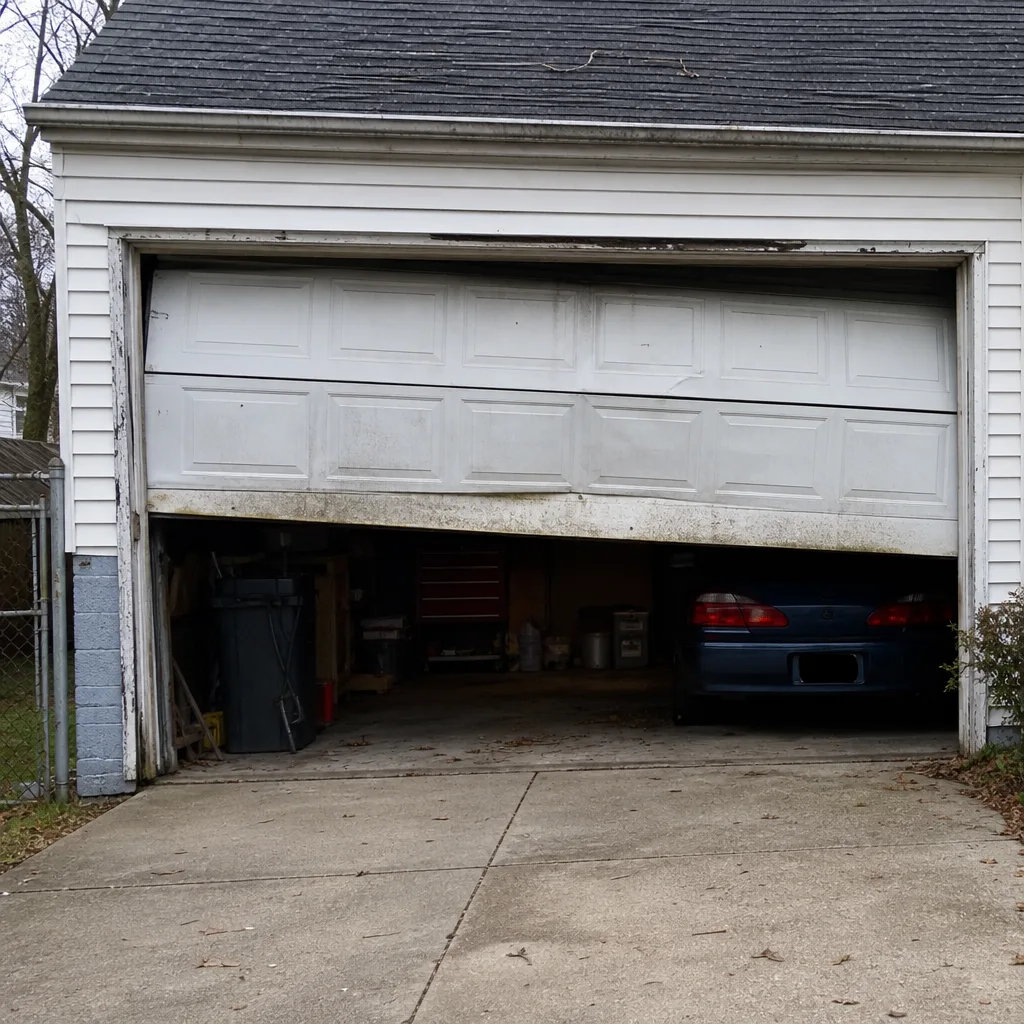 Before
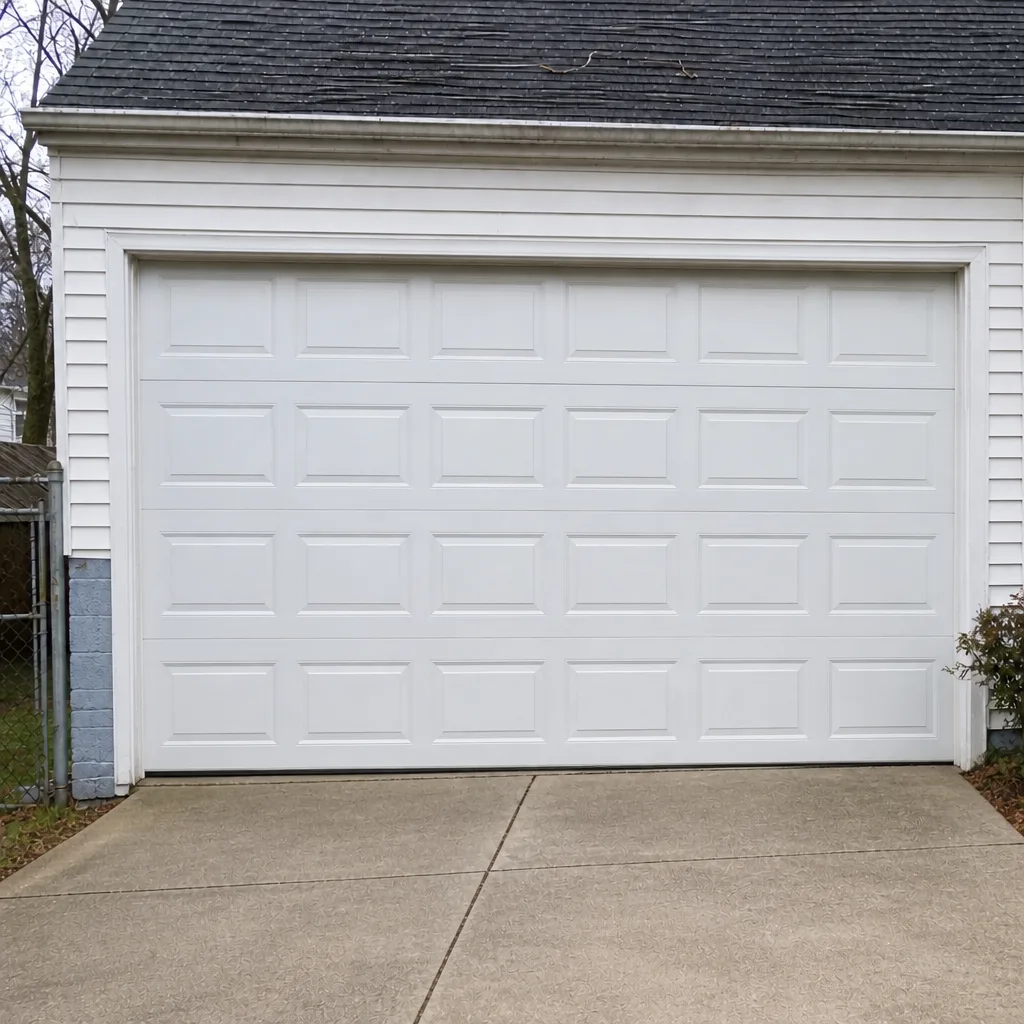 After
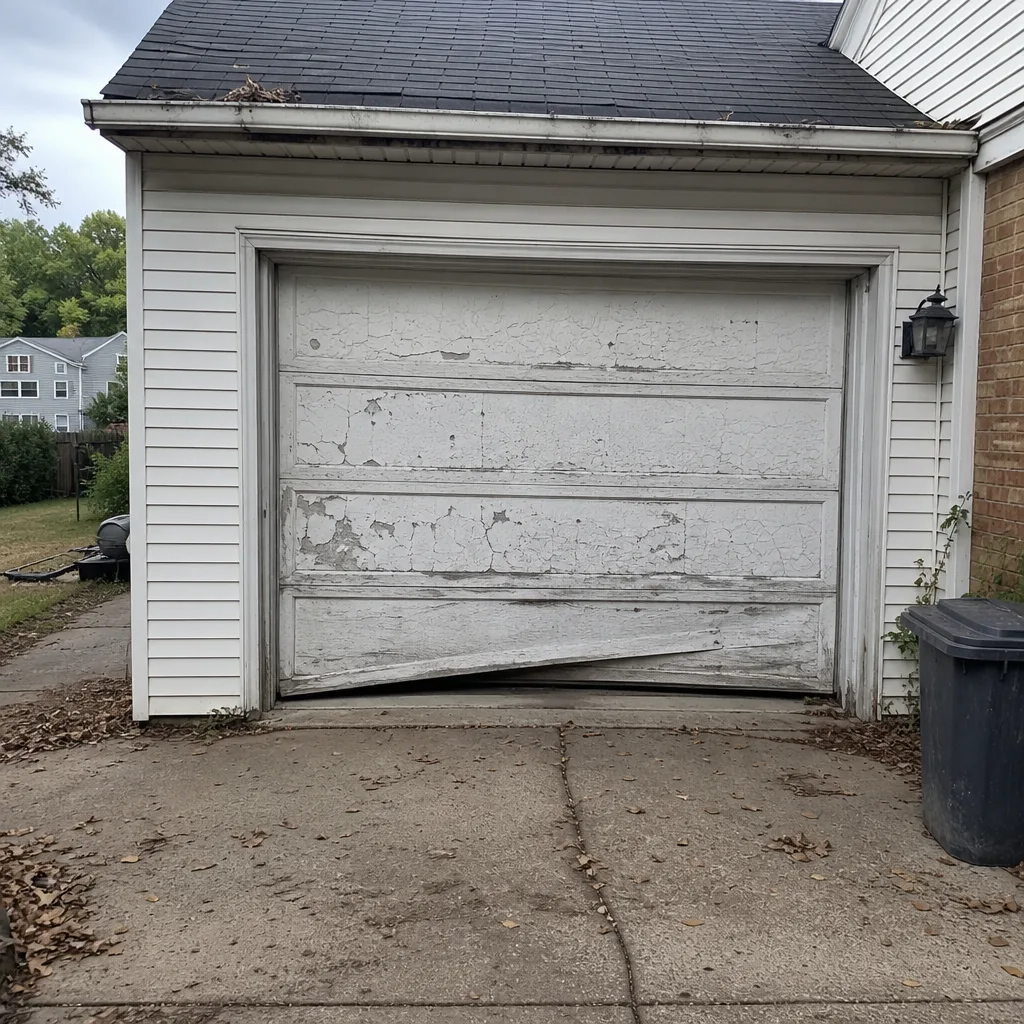 Before
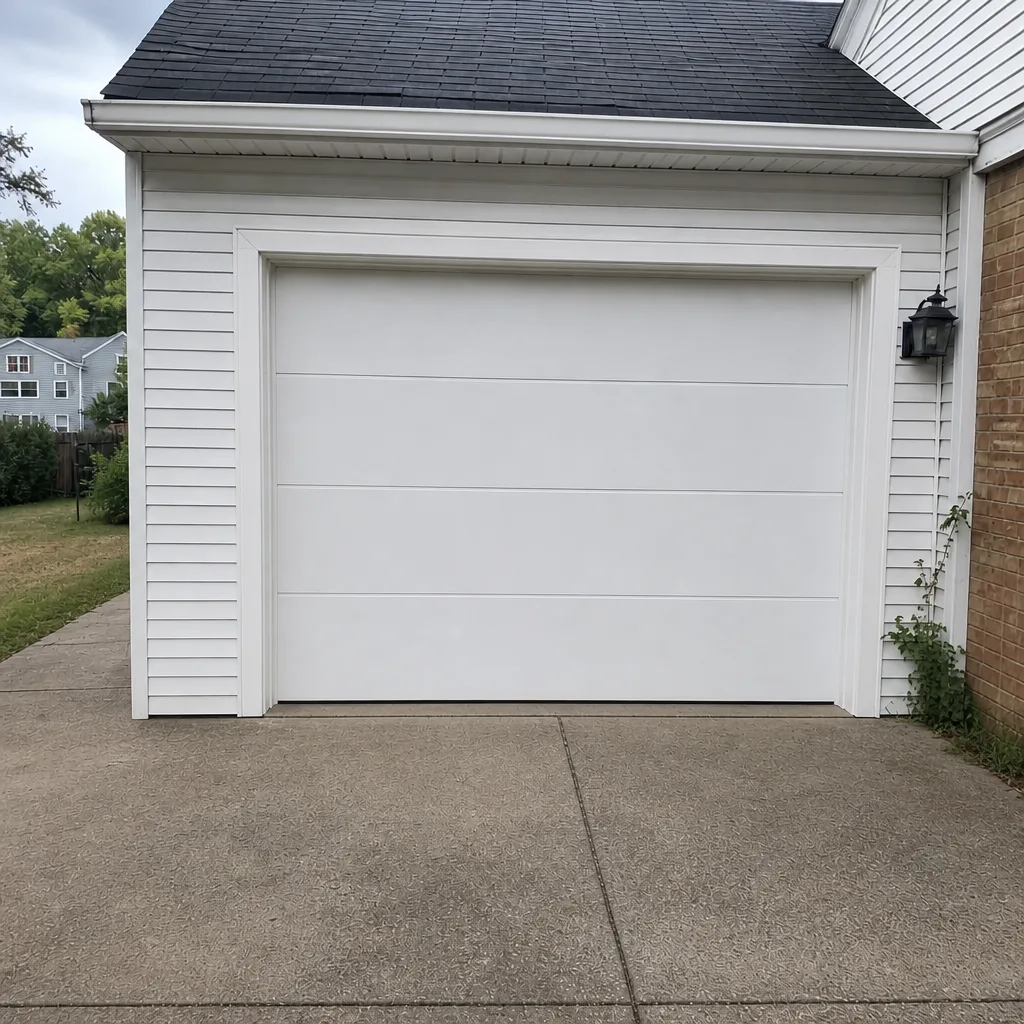 After
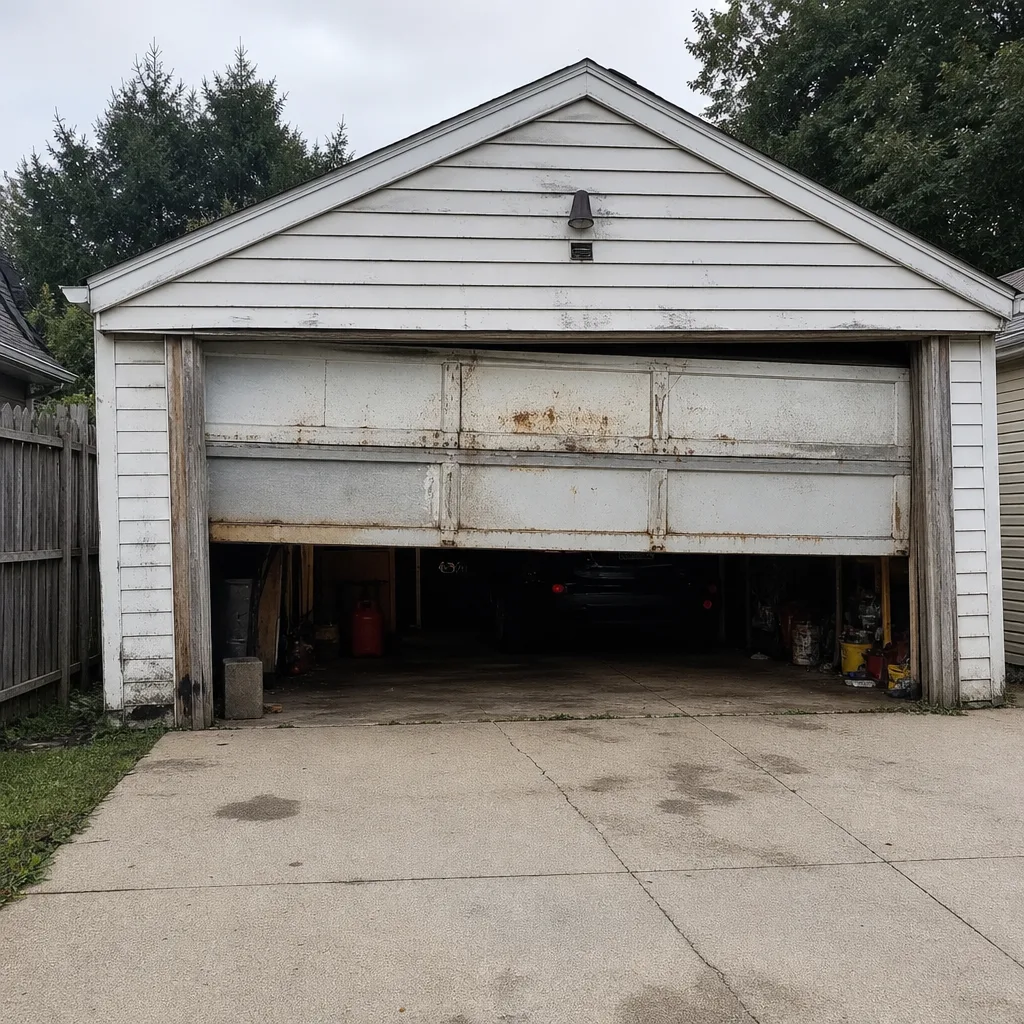 Before
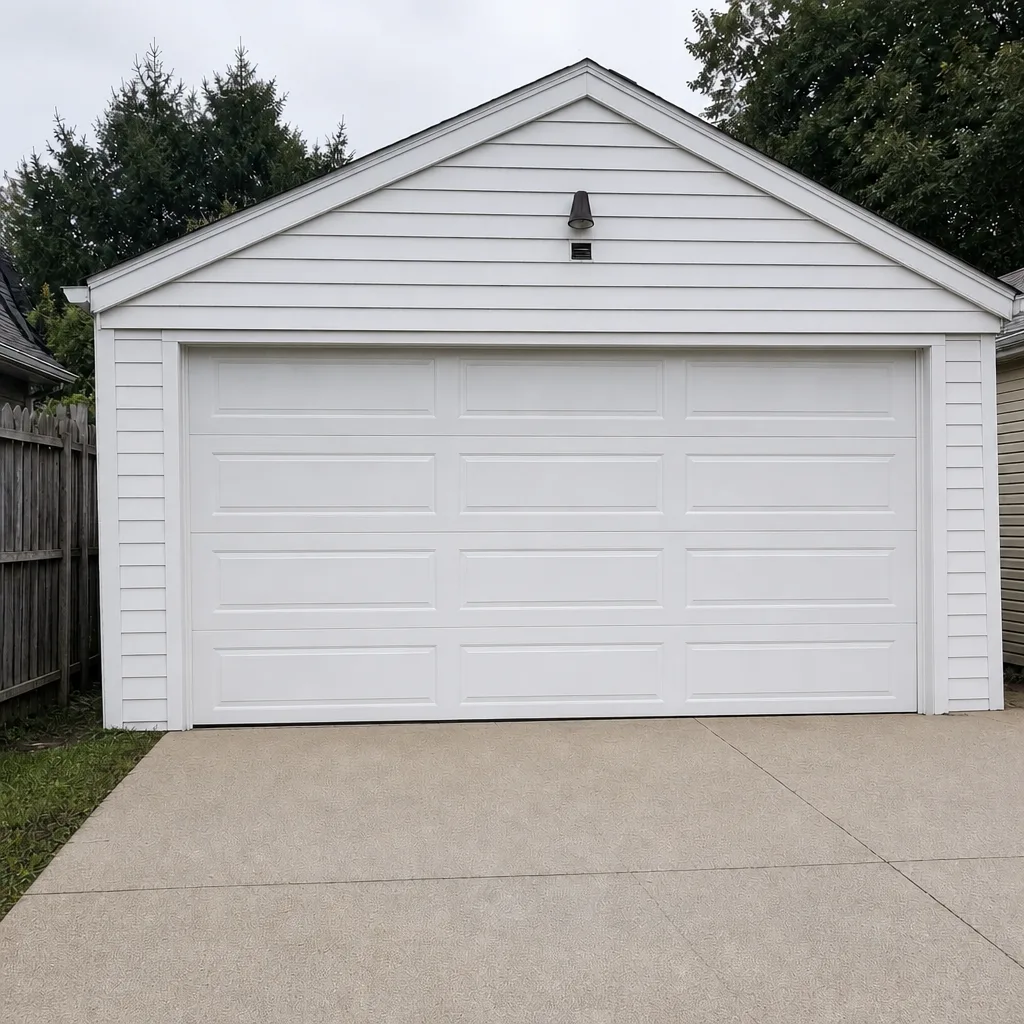 After
When to Call a Professional
Most maintenance tasks on a garage door are within a homeowner’s reach: wiping and greasing metal hinges, wiping the tracks, testing the safety reverse, checking the weatherstrip. Some things are not. Call a professional when the balance test fails, when you see a visible gap in a spring coil, when a cable is frayed or sitting loose at the drum, when the door is out of its tracks, or when the opener is behaving unpredictably (reversing partway up, straining, or clicking without moving). Spring work in particular is a stored-energy job; it’s not a general handyman task and it’s not a DIY task. If a repair can’t wait for a normal appointment, we offer emergency garage door service for time-sensitive failures like a broken spring, snapped cable, or a door stuck open or closed.
Akron Garage Door Repair Pros offers free estimates in Akron – call (855) 658-4360. We work on your brand, whether that’s LiftMaster, Chamberlain, Genie, Clopay, Amarr, Wayne Dalton, Craftsman, or Raynor, and we handle both the door system and the opener system under one call.
Frequently Asked Questions
A garage door in Akron should have a professional service visit every two to three years for most homes, sooner if the door runs more than about 2,500 cycles a year. Between visits, the homeowner-side tasks (hinge lubrication, track wipe-down, safety reverse test) run on a cycle count rather than a calendar. Add the pre-winter weatherstrip check and the post-ice-storm track inspection for the Northeast Ohio climate.
No. WD-40 is a solvent-penetrant, not a wear-part lubricant, and it evaporates rather than staying put on a loaded hinge. Use white lithium grease on metal hinges and steel rollers, and use nothing on nylon rollers. Call (855) 658-4360 if you’re not sure what parts your door has.
A garage door spring is approaching replacement when the balance test fails (the door drops instead of holding) or when a technician measures the spring tension against the door’s rated load. A visible gap in the coil means the spring has broken and the door should not be operated. Springs are rated for a specific cycle count, so a cycle log is the clearest guide. Call (855) 658-4360 to schedule a tone check and get a straight answer on cost.
Torsion and extension spring work, cable replacement, and any adjustment to the spring winding are professional-only tasks. Springs store high tension, cables are under load, and the risk of serious injury is real. Metal hinge lubrication, track cleaning, and the safety reverse test are the homeowner-side jobs. Everything else belongs to a trained technician.
Yes. A log showing regular safety reverse testing, balanced door operation, and documented service visits is evidence of proper maintenance, which is what manufacturer warranties generally assume. It also helps at resale. Opener warranties including LiftMaster and Chamberlain units can be complicated by a documented failure of the safety reverse or by a door operated with a broken spring.
Count every open and close for three days, divide by three for your daily average, and multiply by 365. If multiple people use the door, ask each of them their typical daily count and add them together. Some smart-home integrated openers will report activity in their app. Write the annual figure on the log and use that to set your service intervals. Call (855) 658-4360 if you’d rather have a technician check the door first.
The Bottom Line
A maintenance schedule for a garage door that works is built around cycles, not seasons. Count your door’s cycles, use the three-tier framework (around 500 cycles, annually, every five years), and match the lubricant to the part: white lithium on metal hinges and steel rollers, silicone on the track and weatherstripping, nothing on nylon rollers and springs. In Akron, add the fall weatherstrip and bottom seal check and the post-ice-storm track inspection. Keep a log in the garage, run the safety reverse test twice a year, and never touch a spring yourself. That plan catches the failures that matter, skips the ones that don’t, and gives you documentation for resale and warranty along the way.
When the schedule calls for a professional visit, or when something has failed and can’t wait, call Akron Garage Door Repair Pros at (855) 658-4360 for a free estimate. Garage doors are all we do, and we’ll give you a diagnosis first and a straight answer on cost before any work starts.
Written by the team at Akron Garage Door Repair Pros.