Last updated November 20, 2026
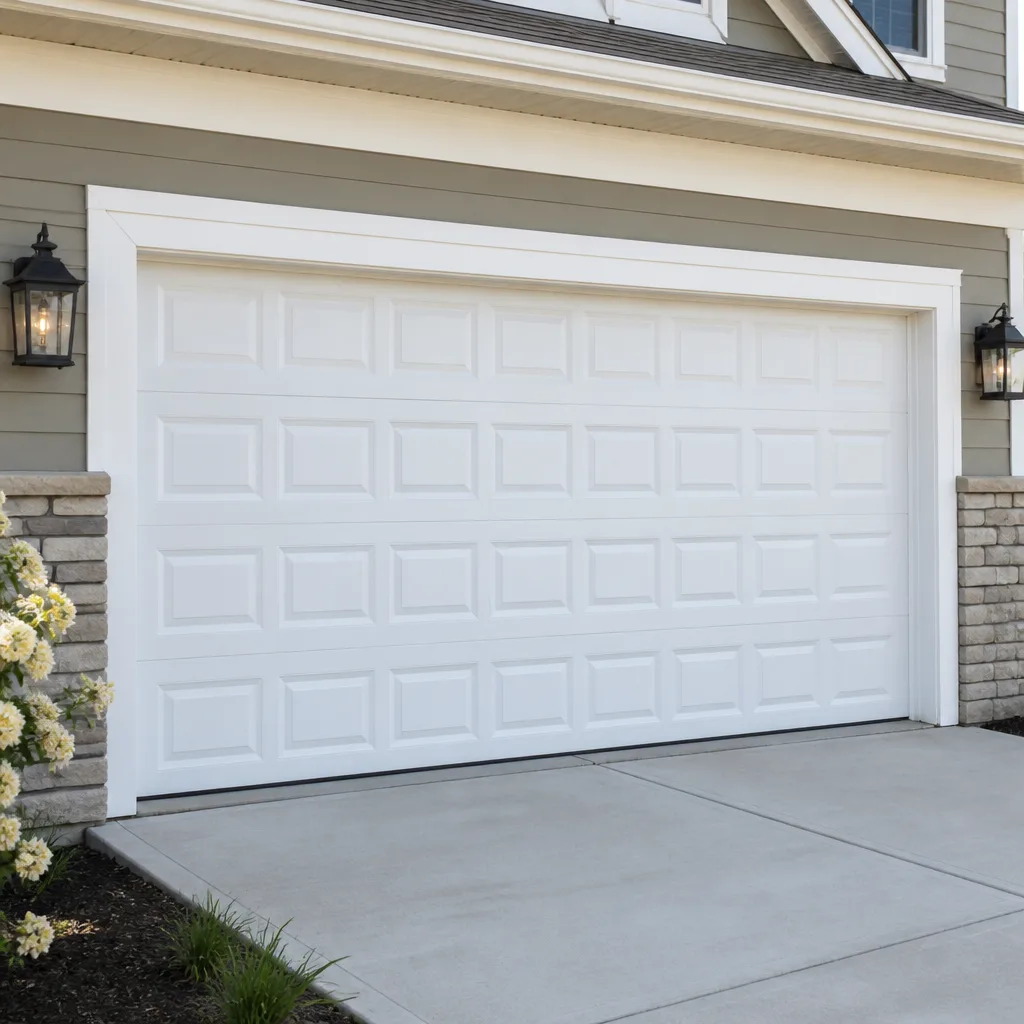 Raised-panel steel
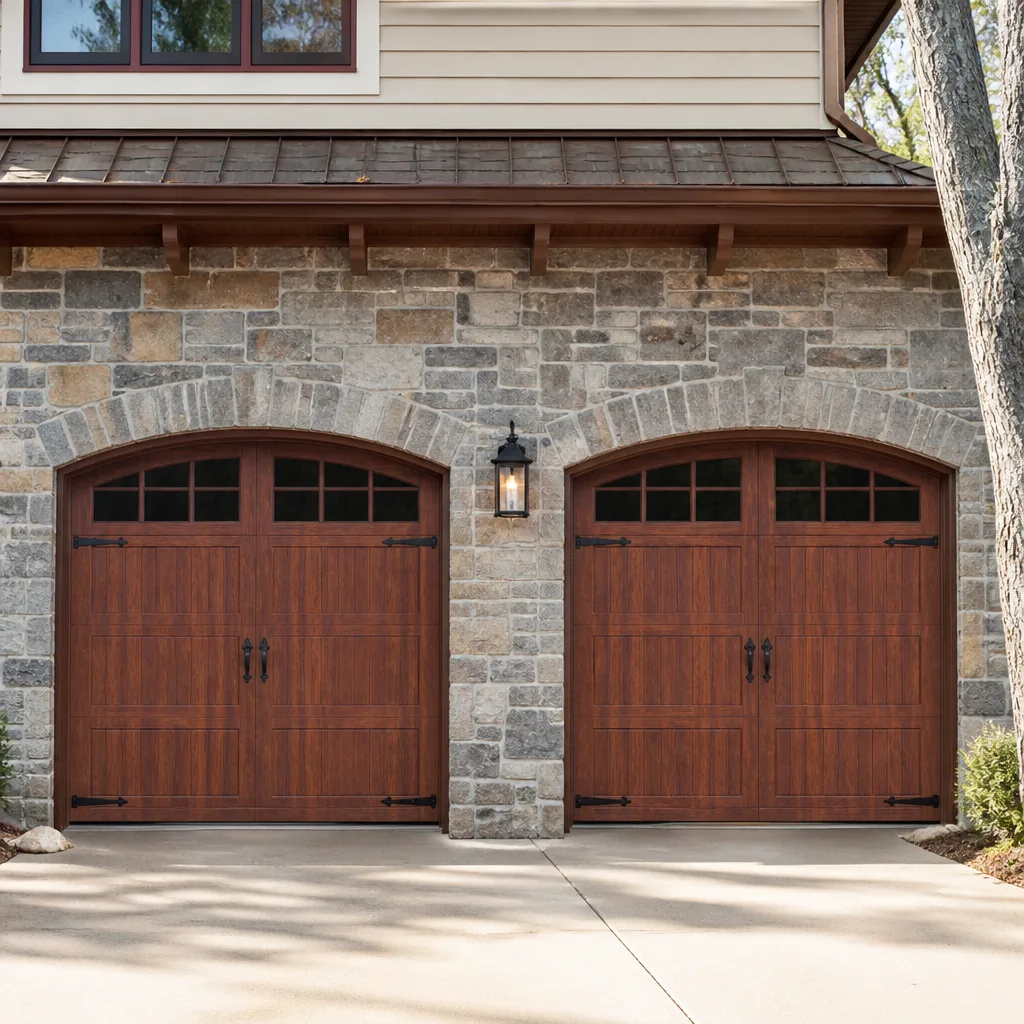 Carriage house
 Modern flush
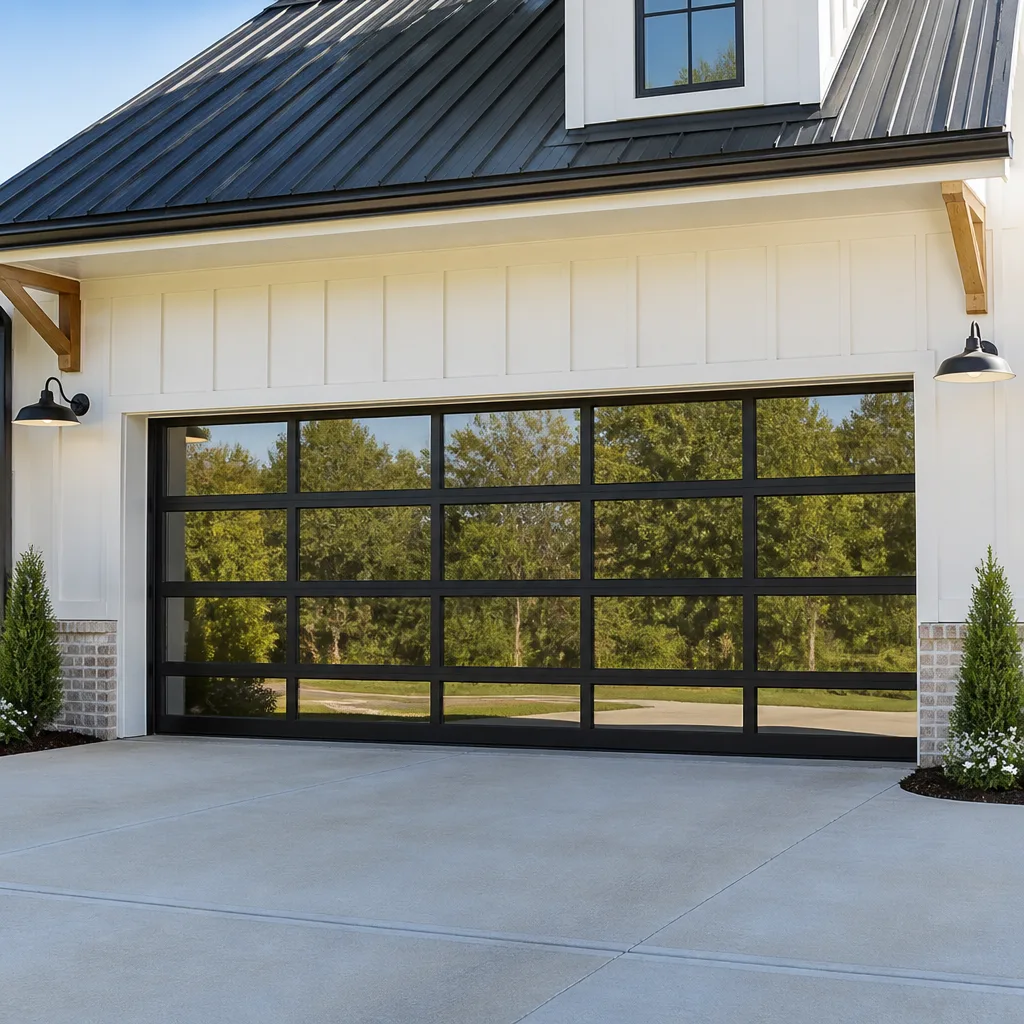 Full-view glass
 LiftMaster openers
 Chamberlain openers
Full 25-point door and opener safety check with every visit - springs, cables, rollers, tracks, and your LiftMaster or Chamberlain opener included
You get a price before we start. It does not change when the pro arrives.
Get your free estimateGarage Door Repair Maintenance Checklist for Akron Homeowners
A broken torsion spring rarely snaps without warning. In the weeks before it fails, a tired spring usually leaves a trail of clues: a narrow gap opening between the coils, a shift in where the door balances, a duller sound when the opener lifts it, or a band of rust where the steel has started to give. Most maintenance checklists tell you to “inspect the springs” and leave it there, which is why so many Akron homeowners look them over, see metal, and move on. This guide is different. We’ll tell you what you’re actually looking for, how to run a balance test with a pass/fail standard you can trust, and when a worn cable needs replacing rather than watching. Akron’s freeze-and-thaw swings put real stress on a door system, so we’ve built a timed checklist around them.
Quick Answer
A garage door maintenance checklist for Akron homeowners should cover four seasonal checks (pre-freeze in October, post-thaw in March, plus a mid-summer and late-winter once-over), monthly visual inspections of springs, cables, rollers, and the opener, and a real balance test with a pass/fail standard. Any spring with a visible gap, coil separation, or heavy rust needs professional attention before it breaks. Cables with three or more broken strands, or any fraying near the drum, should be replaced rather than monitored. Everything else – tracks, hinges, weather seals, lubrication – you can watch yourself between professional visits.
Styles & brands we work with
- Raised-panel steel
- Carriage house
- Modern flush
- Full-view glass
- LiftMaster openers
- Chamberlain openers
Table of Contents
- Reading Spring Fatigue Before It Breaks
- Running the Door Balance Test the Right Way
- Cable Fraying: When to Replace, When to Watch
- Lubrication Points Ranked by Failure Risk
- Akron’s Seasonal Timing Calendar
- Opener Checks Most Homeowners Skip
- What You Should Never Attempt Yourself
- How Often Should an Akron Door Get Professional Attention?
Reading Spring Fatigue Before It Breaks
Garage door springs hold the entire weight of the door through stored mechanical energy. When they’re healthy, they’re quiet and consistent. When they’re fatigued, they give you three specific visual signals. Learning to read them is the single most valuable thing this checklist teaches you, because spring failure is the most common serious breakdown we hear about in Akron.
The first indicator is a gap forming within the coil itself. On a healthy torsion spring, the coils sit tightly against each other across the whole length. When the spring starts to weaken, you’ll notice one or two coils spreading apart with a visible gap between them. It looks small, but that gap means the spring has stretched past its working limit. It’s the equivalent of a rope fraying in one spot.
The second indicator is rust pattern. Surface rust on a spring is common in Akron because of the moisture swings between seasons. What matters is where the rust sits. Rust concentrates at the point of maximum flex and stress, and a band of deep, pitted rust along one section of the spring is a fatigue marker, not just cosmetic surface wear. Heavy rust near the end cones is the pattern we see most often before a break.
The third indicator is a change in the door’s lift feel. A spring that once lifted the door smoothly under hand tension will start to feel heavier or, in some cases, uneven – the door resists at the bottom, releases, then resists again. That uneven resistance points at a spring that’s lost some of its stored tension.
- Gap in the coils: one or two coils visibly separated – schedule professional inspection.
- Coil separation across a wide section: the spring has stretched past its working range – replace it.
- Deep rust bands or pitting: fatigue pattern, not just surface discoloration – inspect by a technician.
- Uneven lift resistance: spring tension has changed – check balance immediately.
- No visible gap, tight coils, clean metal, smooth lift: spring is still healthy.
One honest caution: visual inspection is a check, not a repair. A weakened spring can release without much warning, and the stored tension in a torsion spring is enough to cause serious injury if you try to work on it. We’ll cover this more in the safety section, but it belongs here too. If your inspection finds any of the four warning signs above, stop and call a trained professional. Our technicians have up to 10 years of experience and work with springs every week – that’s the depth this job needs.
Running the Door Balance Test the Right Way
The balance test is the most reliable do-it-yourself check on your garage door system. Most online checklists describe it as “open the door halfway and see if it stays – it should,” which leaves you with no pass/fail standard at all. Here’s how to run it properly, with a clear result.
- Disengage the opener. Pull the red manual release handle on the opener carriage so the door moves freely by hand. The opener should not be connected during this test.
- Open the door fully by hand. Lift it slowly up the whole way, paying attention to how it feels and how it sounds.
- Stop the door at exactly halfway. Halfway is the mid-travel point, not “around the middle.” Measure it if you need to.
- Let go and observe for five full seconds. A properly balanced door will stay in place with almost no drift. If it slides down even a few inches within those five seconds, it fails.
- Test at multiple points. Release the door at a quarter open, halfway, and three-quarters open. Any point where the door slides down is a fail.
- Re-engage the opener when done. Push the door back to fully closed and re-connect the carriage.
The pass/fail standard: the door should hold position at all three test points without sliding down more than a couple of inches. If it drops noticeably at one point but not the others, that’s a partial fail and usually points at uneven spring tension, a hung roller, or a bent track. If it slides at every point, the springs are no longer carrying the door’s weight, and the opener is doing the lifting – which shortens the opener’s own life and is a common reason openers fail early in Akron.
The balance test also tells you whether you’re heading toward a spring repair or an opener repair, and it’s the first question we ask when homeowners call.
A door that fails the balance test but opens and closes on its own doesn’t need emergency service – it needs an appointment. A door that fails and won’t move at all does. Call (855) 658-4360 and we’ll help you work out which situation you’re in.
Cable Fraying: When to Replace, When to Watch
Garage door cables connect the bottom of the door to the springs and hold the whole system together under tension. Cables fail by fraying, and there’s a real, measurable threshold between “monitor” and “replace now” that most checklists skip.
Look at the cable along its length, especially near the cable drum at the top of the door where the bend radius is tightest. Fraying always starts at bends and at the crimped ends. Count the broken individual strands in the worst spot.
- 0-2 broken strands in any one location: monitor. Re-check monthly until you can see a technician.
- 3 or more broken strands in any one location: replace the cable. This is the point at which a cable is close to failure and should not carry the door.
- Any broken strand near the cable drum or end ferrule: replace. The stress concentration at these points makes failure unpredictable.
- Visible kinks, birdcaging, or a cable that has jumped off its drum: stop using the door and call for emergency service.
- Rust along the cable, or a cable that feels rough when run through a gloved hand: replace, regardless of strand count.
Cables are one of the three components that most often lead to a full system failure – the others are springs and the opener carriage. A snapped cable can whip under tension, and a cable loose enough to be off its drum means the door can drop unevenly. If you see either of those, stop and call.
In our experience working in Akron, cable wear is heavier on doors facing morning sun because they cycle between a frozen shut position and a warm, free-running one across the day. If your door runs into daylight and you’re seeing fraying at the drum, it’s worth a professional inspection rather than a wait-and-see.
Lubrication Points Ranked by Failure Risk
Lubrication is where most checklists give up and say “apply a suitable lubricant.” The real question is which points matter most, and which product actually performs in Akron’s temperature range. Our winters swing below zero and July afternoons push past 90°F. Lubricants that work fine at mild temperatures turn to sludge in the cold or turn teary-thin in summer heat.
Here are the points on your door, ranked by failure risk if they go dry:
- Springs (highest risk). Torsion springs benefit from a light coat of a lithium or silicone-based lubricant designed to stay put. This reduces corrosion, which is one of the fatigue markers we covered above. Never attempt to work a lubricant into the spring coils under tension – lubricating the outside surface is the limit of what a homeowner should do.
- Hinges and hinge pivots. These carry the movement of every panel. A hinge that seizes will crack a panel over time. Use a white lithium grease or a garage-door-specific lubricant.
- Rollers and bearing plates. Metal rollers take a light oil; nylon rollers usually need no lubricant and can be damaged by it. Know which type you have first.
- Opener rail and drive screw. Use the lubricant the manufacturer recommends for the specific opener brand. If you’re running a LiftMaster or a Genie, check the manual’s lubricant recommendation before applying anything – a wrong lubricant can attract grit and wear the rail faster.
- Tracks and weather seal rubber. Tracks need almost no lubricant – a dry silicone spray on the inside of the vertical tracks at most. Weather seals benefit from a silicone spray to keep the rubber supple through the winter.
For Akron specifically, we recommend a lithium grease or garage-door-specific spray rated for the cold end of the scale. Regular household oils and standard WD-40 are too thin for year-round use and can attract dust in summer. When in doubt, choose a product that stays put rather than runs.
Lubricate two to four times a year. Fall before the freeze and spring after the thaw are the two key windows.
Akron’s Seasonal Timing Calendar
Timing matters more in Akron than in milder climates. The freeze-thaw cycle here puts real stress on every door component: cables contract, springs fatigue faster in the cold, seals harden, and metal shifts. A checklist tied to our actual climate events works better than a generic once-a-month reminder.
October: Pre-Freeze Prep
Before the first hard freeze, run through the full inspection once. This is the highest-value time of year for a professional maintenance check because a door that fails in October costs less time and hassle than a door that fails in January. Focus on:
- Lubricate all hinges, rollers, and springs for cold-weather performance.
- Test the balance – springs fatigue more in the transition from warm to cold.
- Check weather seals on the bottom and sides. Hardened rubber won’t seal, which lets cold air and moisture into the garage.
- Test the opener’s auto-reverse (the safety feature that reverses the door if it hits an object).
- Inspect cables for the first signs of cold-weather fraying.
March: Post-Thaw Inspection
The freeze-thaw cycle is where hidden damage surfaces. Once the ground has thawed and the door has had weeks of freezing and thawing, do the full inspection again. Focus on:
- Spring fatigue – look for the gap and rust patterns we described above.
- Cables that have loosened or frayed over winter.
- Track alignment. Frost heave can knock a track out of true, and a misaligned track wears out rollers fast.
- Panels that have warped or settled.
- Seals that have cracked over the winter.
July: Mid-Summer Check
Summer heat is hard on lubricants and rubber. Re-grease the moving parts (a light coat is enough), check the weather seals, and listen for any change in door noise.
Late November: Short Pre-Winter Recheck
Before the deepest cold sets in, do one quick pass over the springs, seals, and opener. This is not the full October checklist – just a fast catch on anything that’s slipped since.
If you’d rather not run the professional version yourself, that’s what a maintenance visit is for. Akron Garage Door Repair Pros covers the full checklist in a single visit and can catch the spring or opener issue on the spot. Garage door repair for the parts that need it goes alongside that seasonal rhythm.
Opener Checks Most Homeowners Skip
The opener is a separate system from the door itself, and most maintenance checklists barely mention it. That’s a mistake. The opener does the lifting when the springs are weak, and it fails early when it’s carrying too much load. Here are the checks that matter, in order of what tends to fail first.
The auto-reverse safety test
Lay a piece of 2×4 flat on the floor under the middle of the door, then close the door. The door should reverse on contact. If it doesn’t, your opener is out of spec and needs adjustment. This is a safety feature, not a convenience one – run it every time you do the seasonal check.
The force adjustment
Most openers have a force setting that determines how hard the motor pushes. Set too high, the opener will crush rather than reverse on contact. Set too low, the door will stop halfway up. If you’ve been adjusting the force setting over time to get the door to fully close, that’s a warning sign the springs are doing less work than they should. The force setting is a symptom, not a fix.
The photo-eye safety sensors
Two small sensors at the bottom of the tracks on either side of the door. If they’re misaligned, dirty, or blocked, the door won’t close. Clean them, check the alignment, and confirm the indicator lights on each unit are steady.
The opener’s drive system
Chain, belt, or screw – they all wear differently. A chain that’s getting noisy and slack, a belt that’s fraying, or a screw drive that’s losing its grease all point to the same thing: time for a professional look. Opener brands include LiftMaster, Chamberlain, Genie, Clopay, Craftsman, and Raynor. We work on your brand – the specific drive type in your home, not a generic swap. For a failed opener, garage door opener repair is the right call before the door stops moving completely.
If your door or opener gives up while the door is stuck open or closed, or the spring snaps with force, Akron Garage Door Repair Pros offers emergency garage door service for those moments.
What You Should Never Attempt Yourself
The safety line in this guide is simple: the checks we’ve described are safe to do from outside the door’s mechanism, but repairs are not. Some parts of a garage door system are genuinely dangerous to work on, and it’s worth being specific about which ones.
- Torsion springs. These are under hundreds of pounds of tension, held in place by winding bars and set-screws. Releasing that tension without the right tools and technique can cause serious injury. Spring repair is not a homeowner task, no matter how much of a DIY person you are.
- Extension springs. Same principle. The tension is stored differently, but the stored energy is just as dangerous, and an extension spring let loose is unpredictable.
- Cables under tension. Even a cable you’re just “looking at” is loaded. That’s why we asked you to inspect it visually, gloved hand only.
- Anything that requires removing a hinge or roller to access. Once a hinge or roller is off, the door is unsecured and can drop.
- The opener’s electrical connections. If you’re not comfortable with wiring, don’t open the opener’s casing. Electrical work belongs to someone who does it for a living.
The rest – visual inspection, the balance test, lubrication on the outside of the springs and hinges – you can do safely, and you should. But if any inspection turns up a warning sign, the fix belongs to a trained professional. Our technicians have up to 10 years of experience with high-tension spring work, and that’s the depth this job demands.
If you’re not sure whether something you’re looking at is a red flag, call and ask. We’ll tell you straight.
Common Mistakes to Avoid
- Skipping the balance test because the door “seems fine.” A door that opens smoothly can still be out of balance, and an out-of-balance door is wearing the opener every single time it runs. Run the test, measure it, don’t assume.
- Confusing surface rust with fatigue rust. Surface rust you can check monthly. Rust that’s pitted, banded, or clustered near the spring ends is a fatigue marker and needs a technician. This distinction matters more in Akron than in milder climates.
- Using WD-40 or household oil on the moving parts. It works for a few weeks, then attracts grit and dries out. Use a lubricant rated for the temperature range, especially with Akron’s cold winters.
- Tightening the force setting when the door won’t close. If the door needs more force to close, the springs are the problem – turning up the opener just pushes the failure down the road and makes the door harder to stop safely.
- Waiting until spring to think about spring fatigue. The gap and rust patterns show up in weeks before a break, not days. The October and March check windows are what catches them in time.
- Ignoring the summer heat. High summer temperatures accelerate lubricant evaporation and rubber decay. A quick mid-summer pass is worth the ten minutes.
- Assuming another brand’s instructions apply. A Genie opener and a LiftMaster opener have different force and drive specs. If you’re going to adjust anything, work from the actual manual for the brand on your door.
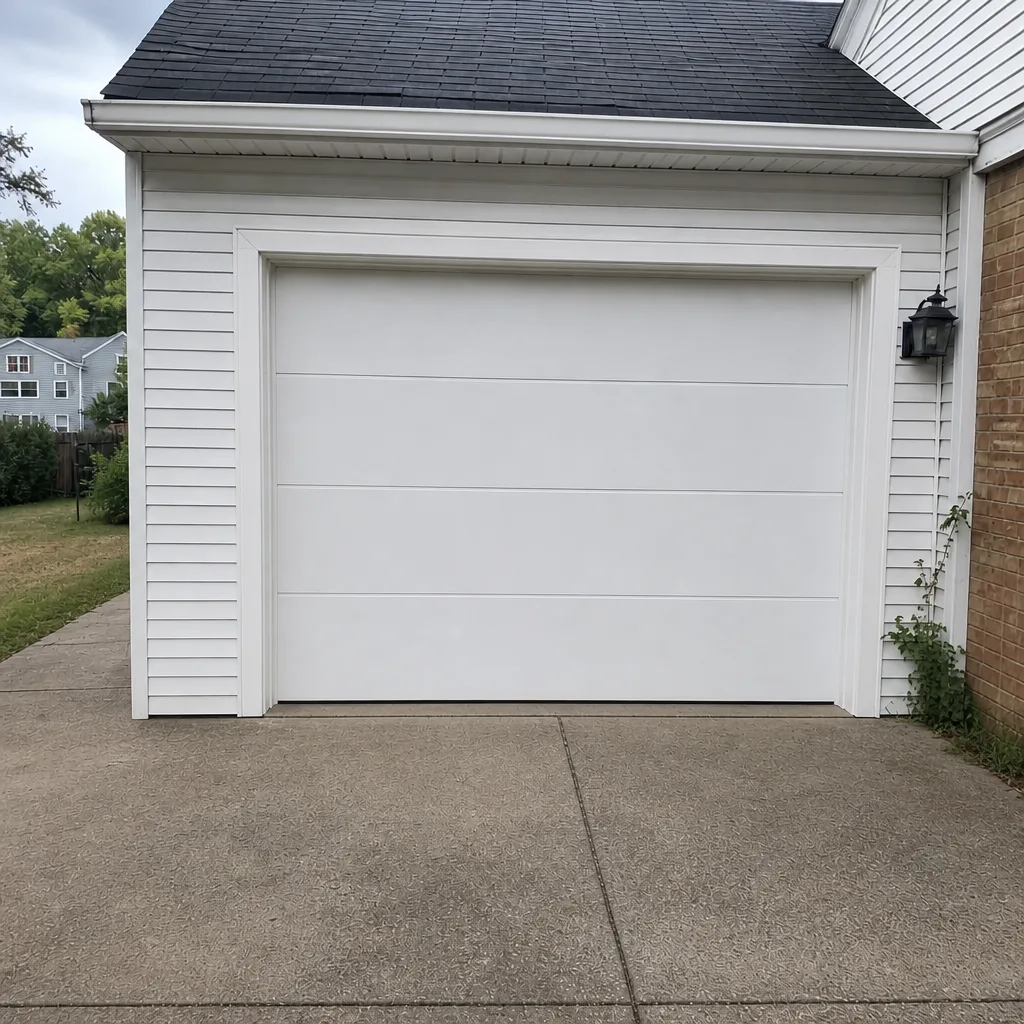
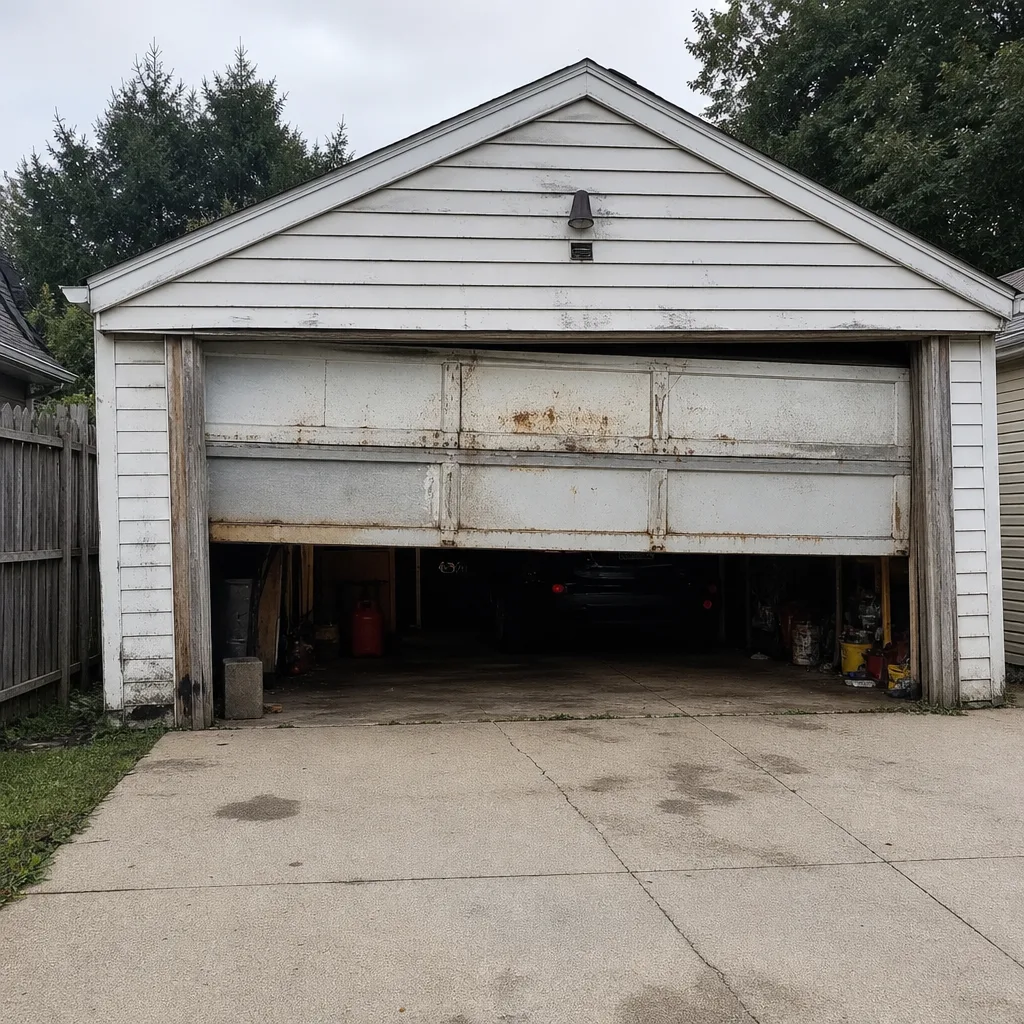
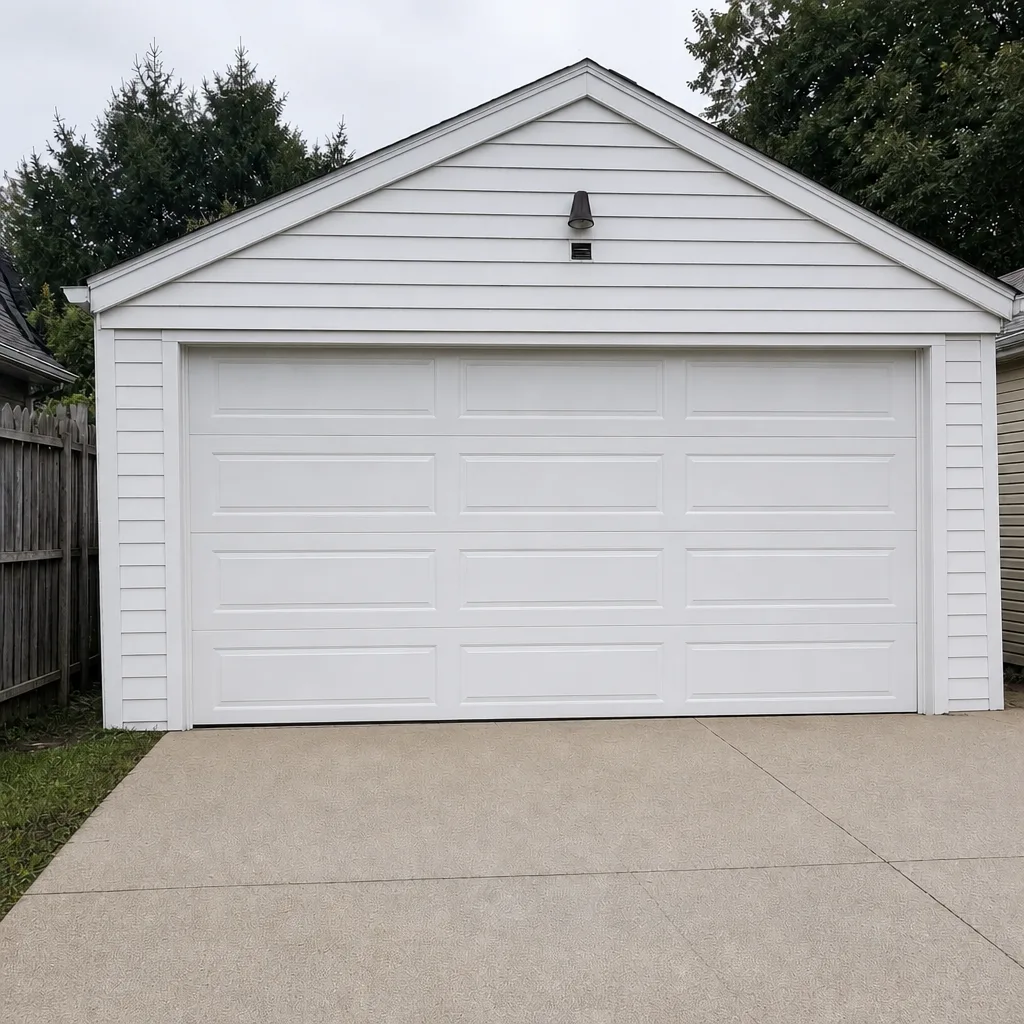
See the difference
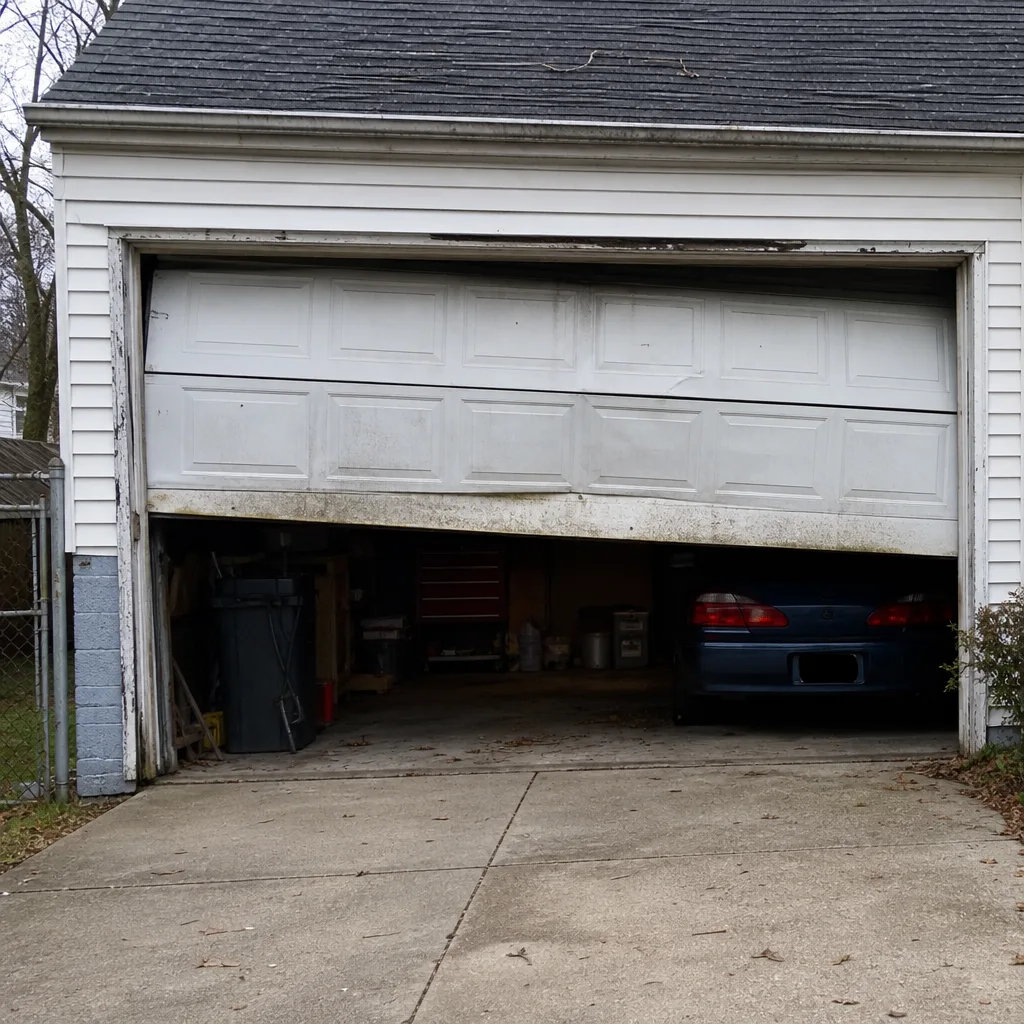 Before
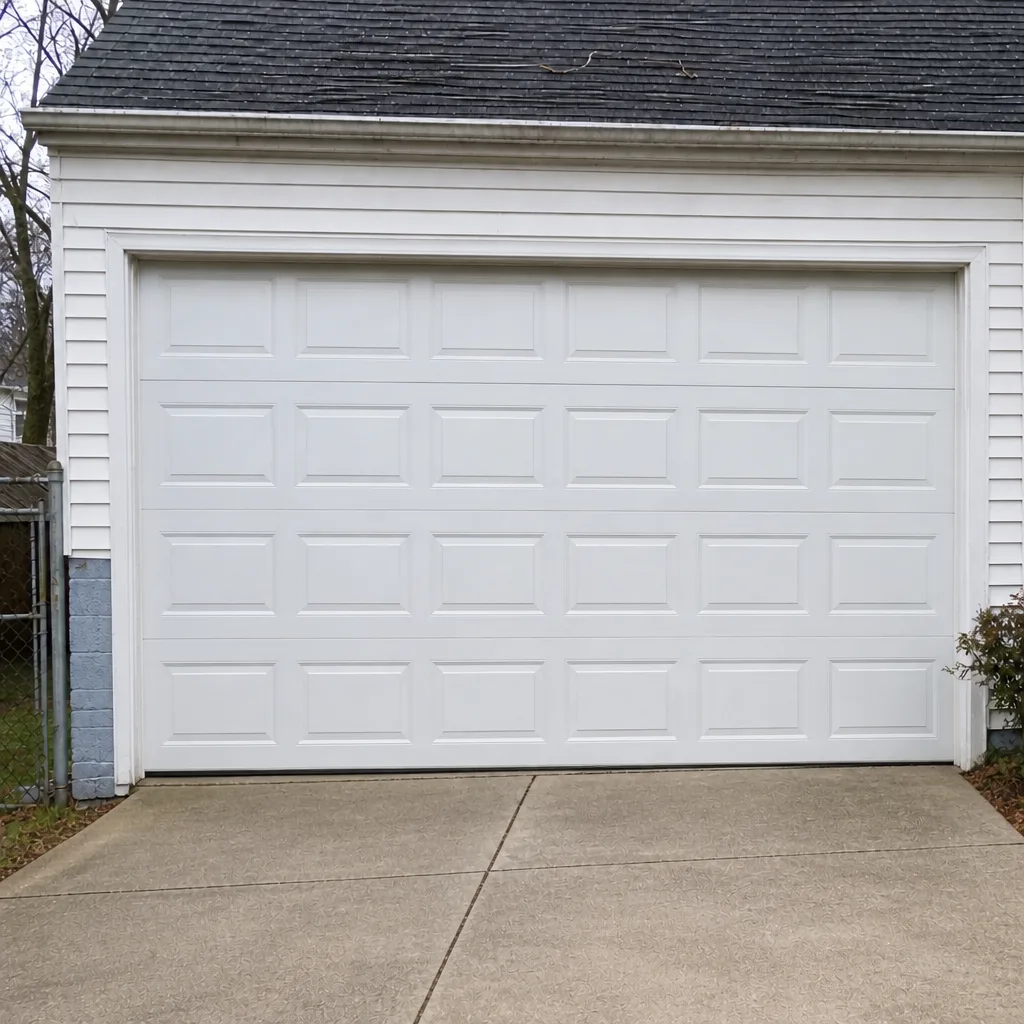 After
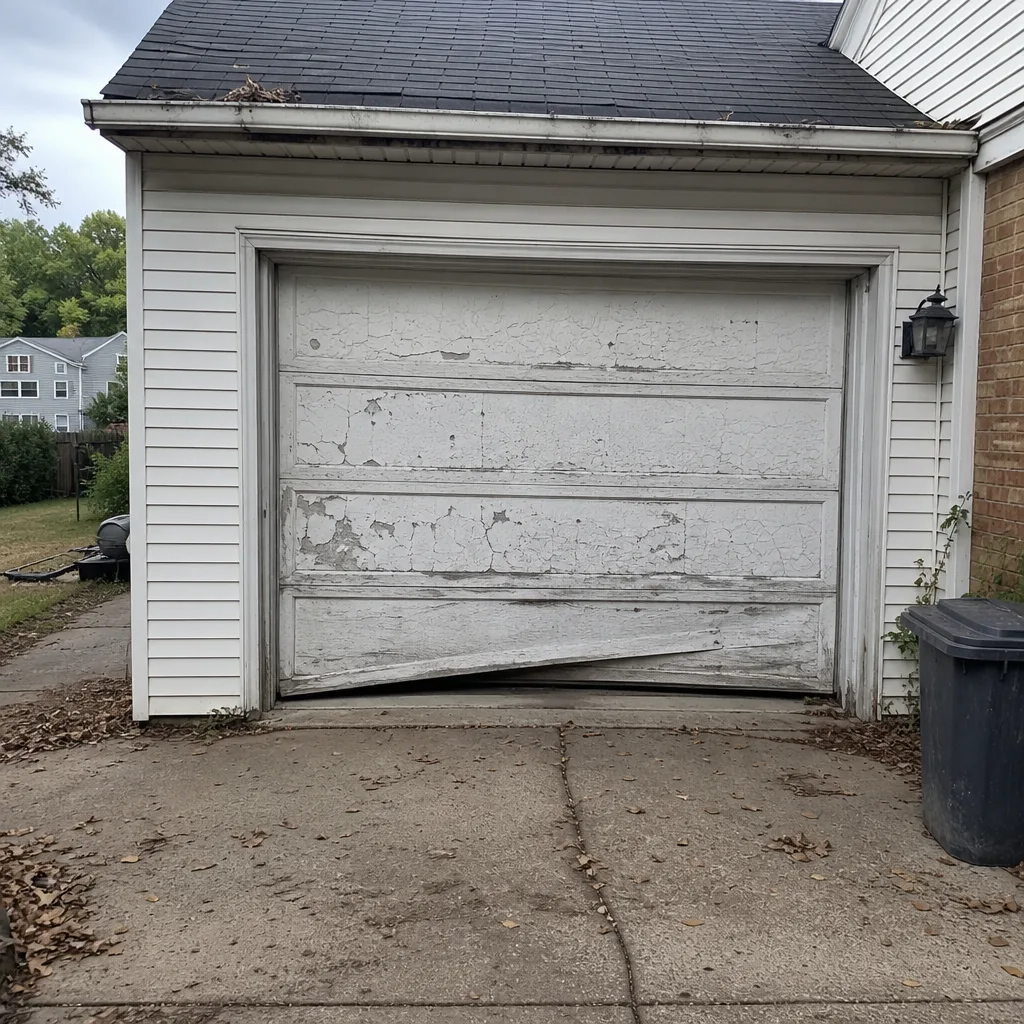 Before
 After
 Before
 After
When to Call a Professional
Some things are checks you run yourself, and some things are a call. Call for professional service when you find any of the following: a visible gap in the spring coils, deep rust bands near the spring ends, any broken strand near a cable drum, a door that slides at multiple balance test points, a door stuck open or closed, an opener that won’t respond or that’s getting harder to close, or a snapped cable. Call if you’ve been adjusting the opener’s force setting to keep the door moving. Call if a seal has completely failed and you’re seeing daylight under the door. Call if you’re moving into a home and don’t know the service history of the door – a one-time inspection gives you a baseline for everything on this checklist. Akron Garage Door Repair Pros offers free estimates in Akron – call (855) 658-4360 to book a visit.
Frequently Asked Questions
Run the full checklist twice a year at minimum – once in October before the freeze and once in March after the thaw – plus a quick visual check monthly and a mid-summer lubricant refresh. Akron’s freeze-thaw cycle is harder on springs and cables than a mild climate, so the seasonal timing matters as much as the frequency.
Look for three signs: a visible gap between individual spring coils, coil separation across a wider section of the spring, and rust that’s pitted or banded rather than just surface-level, especially near the ends. Any of these signals warrants a professional inspection before the spring fails. Call (855) 658-4360 for a free estimate.
Disengage the opener, raise the door by hand, and stop it at exactly halfway. It should hold position for five seconds without sliding down more than a couple of inches. Test the same at a quarter open and three-quarters open. Any point where the door slides meaningfully is a fail and points at a spring or track problem.
Three or more broken strands in any one location means replace rather than monitor. Any broken strand near the cable drum or end ferrule also warrants immediate replacement, regardless of count. In Akron’s cold, cable failure risk rises through the freeze months, so a frayed cable in October is a fix it before winter job, not a spring project.
You can apply a light coat of lubricant to the outside surface of the coils – that’s safe. What you should never do is try to open, wind, adjust, or remove a spring to lubricate or replace it. Springs store dangerous tension, and that work belongs to a trained technician.
No surprise invoices from us. The service call happens, we diagnose first, then give you a straight answer on cost and repair, and the written quote is what you pay. You agree to the price before any work starts. Estimates are free – call (855) 658-4360 to book one.
We work on all major brands across the door and the opener, including Genie, Clopay, Amarr, Wayne Dalton, LiftMaster, Chamberlain, Craftsman, and Raynor. That matters because a diagnosis for a Clopay door and a diagnosis for an Amarr door start from different system designs – we work on your brand, not a generic workaround.
How Often Should an Akron Door Get Professional Attention?
Once a year for a maintenance visit is the practical answer, with a heavier seasonal emphasis before the freeze and after the thaw. A maintenance visit is the best point to catch a spring that’s drifting past the gap-and-rust line, a cable that’s approaching the strand threshold, or an opener that’s been carrying more than it should. That’s also when a professional can run the checks that require getting inside the mechanism safely.
For a door that needs more than a visit – new door, new opener, or a full system replacement – garage door installation is a separate job that starts with a measure, not a same-day fix. And when the door has already broken or won’t move, our team covers emergency garage door service so you’re not stuck waiting for a return call. Garage doors are all we do, so every technician’s training and every part on the plan is concentrated on one trade.
The Bottom Line
This checklist works because it tells you what to look for, not just what to check. A gap in the spring coils, a rust band near the cone, a balance test that fails at halfway, a cable showing three broken strands – these are the specific signals that turn a vague inspection into a real maintenance decision. Akron’s freeze-thaw cycle makes the timing matter as much as the checks, so build the calendar into your year. If you find something on the list that needs fixing, call us at (855) 658-4360 for a free estimate. We diagnose first, quote a written price, and you agree to it before any work starts. Our technicians have up to 10 years of experience, and our focus is on one system only: your garage door.
Written by the team at Akron Garage Door Repair Pros.