Last updated November 20, 2026
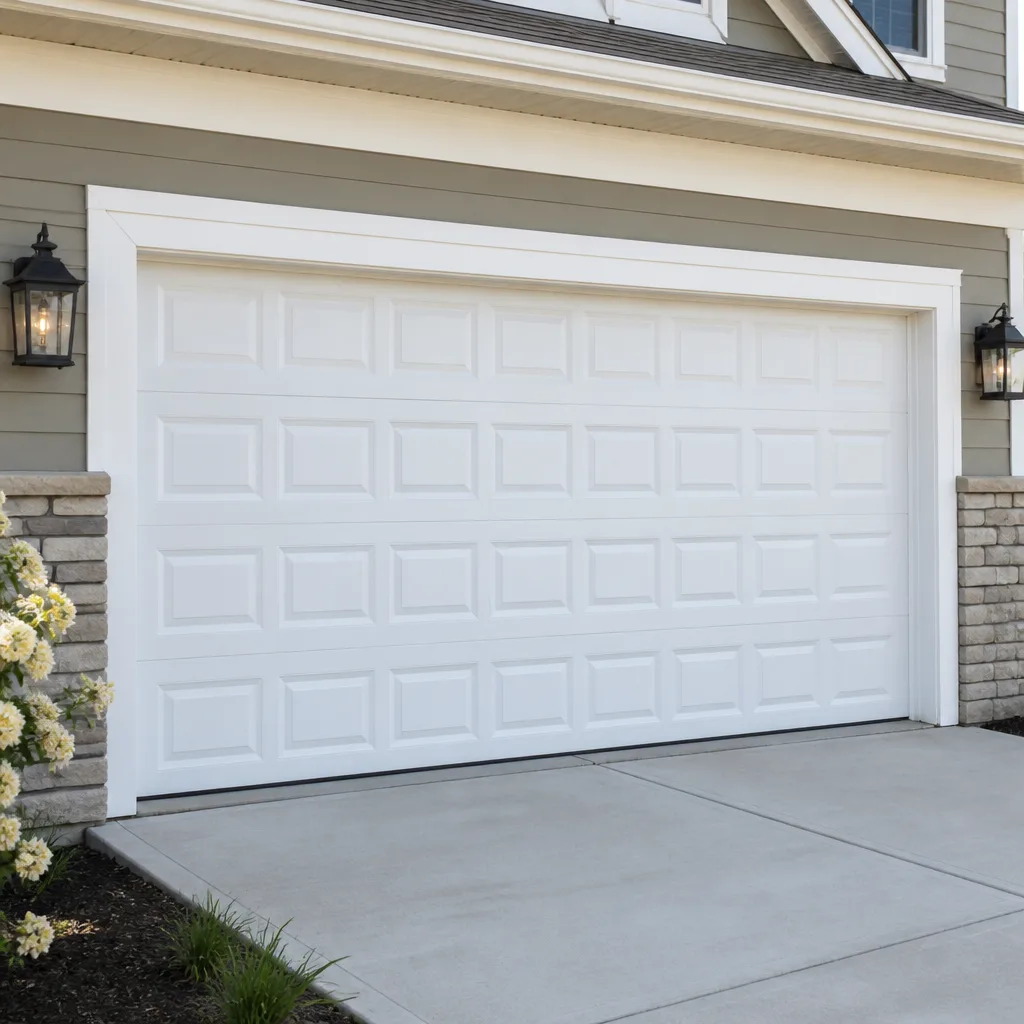 Raised-panel steel
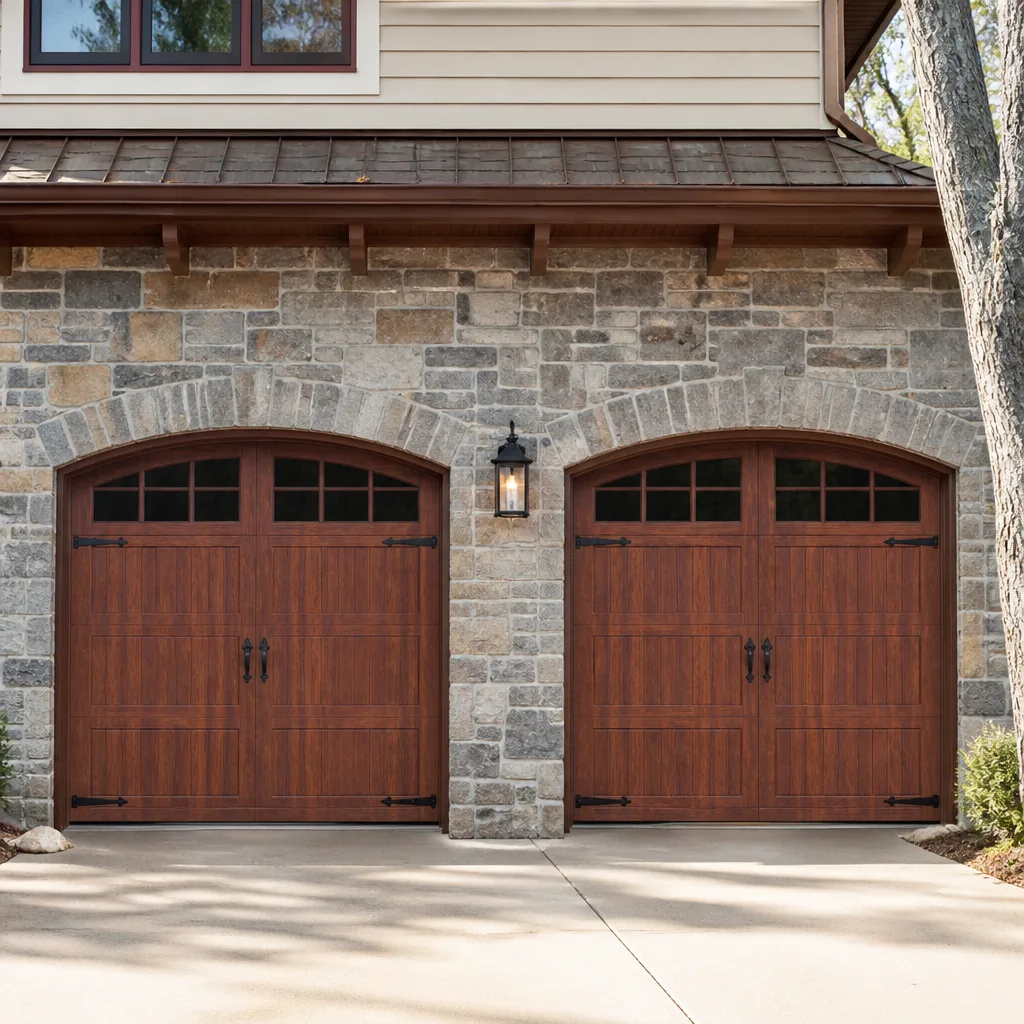 Carriage house
 Modern flush
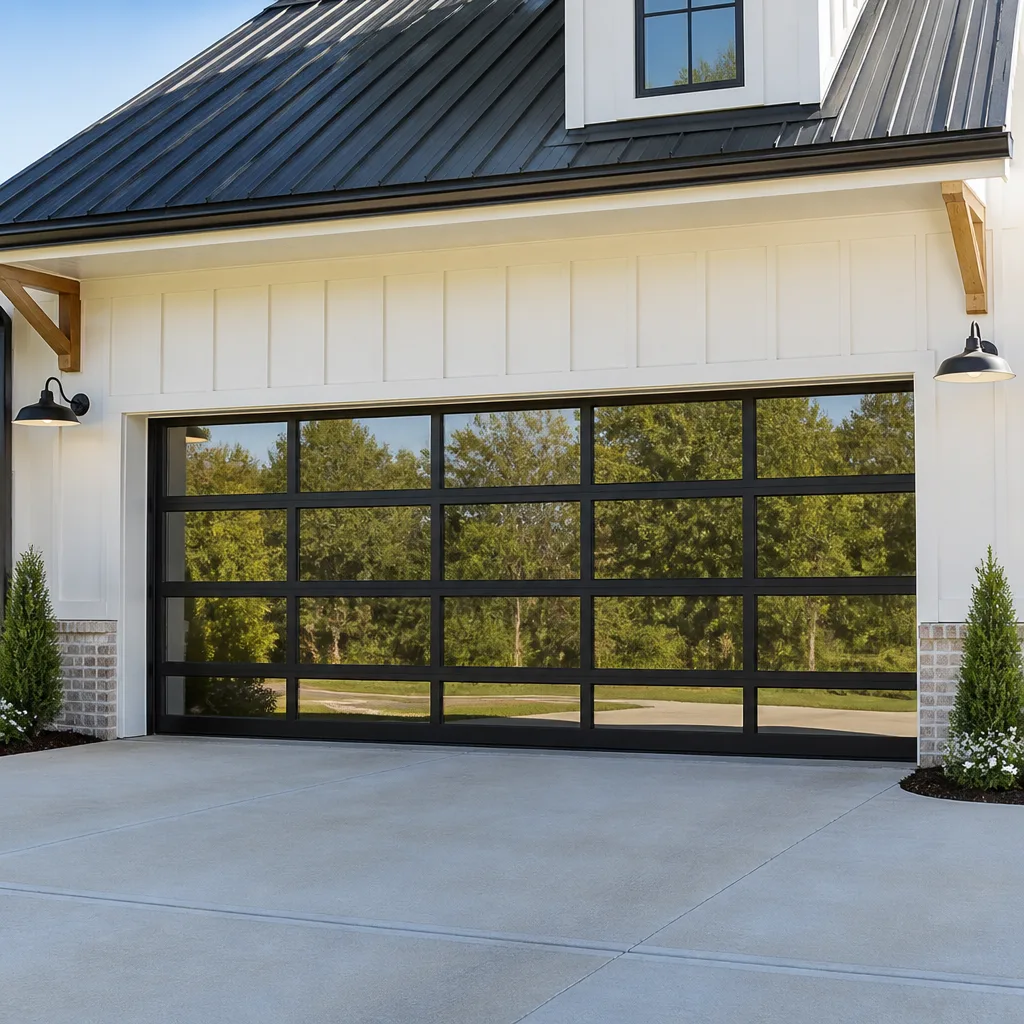 Full-view glass
 LiftMaster openers
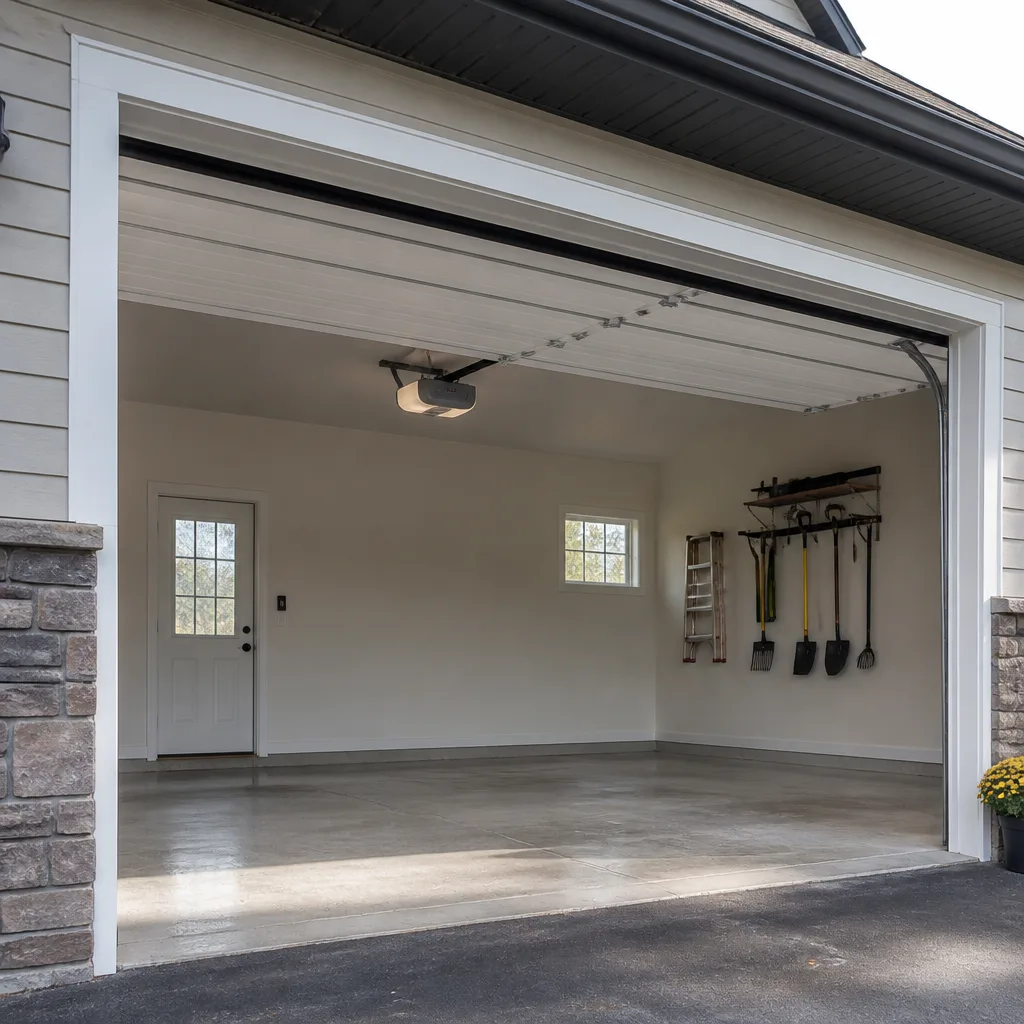 Chamberlain openers
Full 25-point door and opener safety check with every visit - springs, cables, rollers, tracks, and your LiftMaster or Chamberlain opener included
You get a price before we start. It does not change when the pro arrives.
Get your free estimateGarage Door Permits, Codes & Inspections in Akron, OH: What You Need to Know
Here’s the part almost nobody tells you: you can buy a garage door, have it installed, and never once hear the word “permit.” Then, years later, a home sale inspection through the City of Akron Building Division flags the work as never having been inspected, and the seller is stuck retroactively permitting a job that’s already finished and closed up. A garage door is the biggest moving assembly on most Akron houses, and it sits at the intersection of two things inspectors care about: structural openings and fire separation. This guide walks through exactly when Akron’s code requires a permit, what the Ohio Residential Code says about wind ratings and fire-rated doors, how the permit process actually works at the city, what an inspector checks, and how unpermitted work can follow you into an insurance claim or a closing. We work on these doors every day, so we’ll explain the code side the way we’d explain it standing in your driveway.
Styles & brands we work with
- Raised-panel steel
- Carriage house
- Modern flush
- Full-view glass
- LiftMaster openers
- Chamberlain openers
Quick Answer
In Akron, a new garage door installation, a change to the size or structure of the opening, and any door between an attached garage and the living space (a fire-rated door) typically require a permit and inspection. A straight like-for-like replacement of a door into the same opening often does not require a permit, but the rules turn on the specific work involved, so confirm with the City of Akron Building Division before work starts. Unpermitted structural or fire-rated work can create problems during a sale and can complicate a homeowner’s insurance claim if the door fails.
Table of Contents
- When Does Akron Require a Permit for Garage Door Work?
- New Installation vs. Like-for-Like vs. Structural Changes
- The Codes That Govern Garage Doors in Ohio
- How to Pull a Garage Door Permit in Akron
- What Inspectors Actually Look For
- How Unpermitted Work Affects Insurance and Title Transfer
- Opener Safety Compliance and the Reversal Test
- Akron Neighborhoods, Housing Stock and Door Fit
- Common Mistakes to Avoid
- When to Call a Professional
- Frequently Asked Questions
- The Bottom Line
When Does Akron Require a Permit for Garage Door Work?
Akron requires a permit when garage door work changes the structure of the opening, adds a new door where none existed, or involves a fire-rated door between the garage and the house. It usually does not require one when you’re swapping a like-for-like door into an existing opening with no structural changes. That distinction is where most of the confusion lives.
A helpful way to think about it: permits follow structure and life safety, not the door itself. If you’re replacing a bent panel or a worn torsion spring on a door that’s already there, you’re not altering the building. If you’re cutting a new opening, widening an existing one, or swapping a solid wall for a fire-rated door, the building department wants to see the work before it’s covered up.
The Ohio Residential Code, which adopts the International Residential Code with state amendments, treats attached garages as an occupiable hazard for the home. That’s why the wall between an attached garage and the living space gets specific requirements for fire separation and door ratings. Akron follows that framework in its permitting decisions.
Three practical rules of thumb for Akron homeowners:
- Repairs to existing doors and openers (springs, cables, rollers, tracks, opener motors) generally don’t require a permit. They’re maintenance or repair.
- Like-for-like replacements in the same opening often proceed without a permit, but confirm with the building department for your specific address and scope.
- New installation, structural changes, and fire-rated doors almost always require a permit and inspection.
If you’re not sure which category your job falls into, call the City of Akron Building Division directly before scheduling the work. It takes five minutes and can save you weeks down the road. For repair work that doesn’t touch structure, you can also reach out for garage door repair without worrying about permitting.
New Installation vs. Like-for-Like vs. Structural Changes
The permit question in Akron breaks cleanly into three categories. Each has a different answer, and mixing them up is the most common reason homeowners get surprised at inspection or closing.
1. New installation (where no door exists)
If you’re building a new detached garage, adding a garage bay to an existing structure, or adding a door to a wall that never had one, you’re doing new construction. This requires a building permit and inspections at multiple stages: framing, electrical rough-in for the opener circuit, and final. Akron’s building department reviews the plans, verifies the opening size and header, and inspects the finished installation. If you’re planning this kind of job, start with garage door installation and treat the permit as part of the project scope, not an afterthought.
2. Like-for-like replacement
This is the workhorse job in Akron: an old wood door coming out, a new steel or aluminum door going in, same opening, same dimensions, same track layout. In many cases this type of replacement is treated as a repair or ordinary maintenance rather than a permitted project. That said, “often” isn’t “always.” Some jurisdictions want a permit if the door weight changes enough to require a new spring and track configuration, or if the wind-load rating of the new door differs from the original. Confirm the specific scope with the City of Akron Building Division.
3. Structural opening modification
Widening an opening to fit a double-car door. Raising the header to gain clearance for a taller door. Removing a load-bearing wall section to expand a bay. Any of these changes the structural envelope of the building, and any of them will require a permit and an engineering or prescriptive design review. If your new door needs more clearance than the current header allows, this is the category you’re in. Plan on an inspection.
The good news: in all three cases, the door itself is one part of the job. The permit governs the structure, the fire separation, and the electrical safety of the opener. Our technicians diagnose and repair doors across all the major brands – LiftMaster, Chamberlain, Genie, Clopay, Amarr, Wayne Dalton, Craftsman and Raynor – and we can tell you quickly which category your job falls into, then point you to the building department if a permit is needed.
The Codes That Govern Garage Doors in Ohio
Ohio adopts the International Residential Code (IRC) through the Ohio Residential Code, with state amendments. Akron enforces that framework locally. Two provisions matter most for garage doors: fire separation between the garage and the living space, and wind-load ratings on the door itself.
Fire separation between attached garage and living space
The IRC requires a specific fire separation between a private garage and the living space it’s attached to. The wall assembly, ceiling assembly, and any door in that wall all have to meet that separation. The door between an attached garage and the house is the part homeowners ask about most, because it’s the piece they can see and touch every day.
What this means practically: a standard hollow-core interior door is not the right door for that opening. A fire-rated door is. If a previous owner installed a standard door or replaced a fire-rated door with something cheaper, an inspector will flag it. Akron’s building department inspects this separation on new construction and structural renovations.
Wind-load ratings on the door
The IRC also addresses wind loads on exterior components, which includes the garage door. Door manufacturers publish wind-load ratings for their products, and the rating has to match what’s required for the location and exposure of the building. Akron sits inland, so the wind requirements here are modest compared to coastal jurisdictions, but they still apply. A door with no rating documentation, or one that’s been modified with non-rated panels, can fail inspection.
When we’re asked about brand-specific fit, this is where a familiar name pays off. We work on Wayne Dalton doors frequently in Akron, and their published wind-load documentation for a given model is something we can usually find quickly. The same goes for Clopay and Raynor products. That matters when you’re trying to prove to an inspector that the installed door meets the code.
Electrical code for the opener circuit
The opener runs on household current, so the circuit feeding it falls under the electrical code. If your opener was added without a permit after a renovation, or wired on an extension cord running across the ceiling, an inspector can require corrections. New opener installations and opener replacements in Akron generally go in under an electrical permit when the wiring is being modified, which is a separate question from whether the door needs one. For opener-specific work, see garage door opener repair.
How to Pull a Garage Door Permit in Akron
Akron’s permit process for garage door work runs through the City of Akron Building Division. The steps are straightforward, but the timing matters: you want the permit issued before any structural work starts, not retroactively after a sale inspection.
- Confirm the scope. Write down what’s changing. Is this a like-for-like replacement, a new opening, or a structural modification? That determines whether a permit is required and what type.
- Contact the City of Akron Building Division. Ask what category your work falls into and what documentation they need. For simple structural changes that may just be a completed application and then a plan review, for larger projects they’ll want drawings.
- Submit the application. You or your contractor can file it. Contractors registered with the city usually handle this, because they know the paperwork and the review queue.
- Wait for plan review. Review timelines vary by the volume of applications the department is processing. Ask for the current turnaround estimate when you submit, and don’t schedule the door delivery until you have the permit in hand.
- Schedule the inspection. Once the work is roughed in (framing modifications, header, rough electrical), call for inspection. The inspector will also want a final inspection after the door and opener are installed and adjusted.
- Keep the documents. Permit, inspection card, and the final sign-off all belong in your home records file. You’ll want them at closing time, and they answer questions from your insurer if a claim ever comes up.
Plan on a couple of weeks from application to final inspection for a structural change, more if the project triggers an architectural review. Like-for-like replacements that don’t require a permit obviously skip this timeline, but you still want documentation from the installer showing what was replaced and the door’s specifications.
What Inspectors Actually Look For
The final inspection for a permitted garage door installation is not a deep forensic exam. The inspector is checking a handful of specific items, most of them visible in a ten-minute walk-through. Knowing them in advance makes the inspection go smoothly.
- Header clearance. The header above the opening needs to be sized correctly for the load and must leave enough clearance for the door and the torsion assembly. A header that was cut down during a previous renovation, or one that’s been notched for clearance, can fail.
- Fire-rated door between garage and living space. The door in the wall separating the garage from the house must be fire-rated and labeled as such. The inspector will look for the label.
- Opener safety reversal. The opener must reverse when the door meets an obstruction. The standard test uses a piece of material about the size of a two-by-four laid flat under the door; the door must reverse when it contacts it. Most modern openers, including LiftMaster and Genie units, have photo-eye sensors plus the mechanical reversal. Both must work.
- Bottom seal contact with the slab. The bottom rubber or vinyl seal needs to sit in contact with the floor across the full width of the opening. Gaps mean drafts, water intrusion, and pest access, and the inspector will flag visible daylight under the door.
- Track alignment and door balance. The door should stay where you leave it when raised halfway. A door that slams down or drifts up needs spring adjustment, not a new inspection.
- Wind-load documentation. For new installations, the inspector may want the door’s rating documentation to verify code compliance.
What inspectors do not do: they don’t operate the door for you, don’t adjust your springs, and don’t test every fastener on your track. Their job is to verify that permitted structure and life safety comply. That’s why the actual installation quality still matters – the inspection is a checkpoint, not a warranty.
How Unpermitted Work Affects Insurance and Title Transfer
Unpermitted structural or fire-rated garage door work can complicate two things Akron homeowners rely on: their homeowner’s insurance claim and the sale of their house.
Insurance
Homeowner’s insurers care about a few things when a claim comes in after a structural failure. First, was the work done to code? Second, was the work inspected if it required inspection? Third, was the cause of the failure something the policy would cover in the first place? An unpermitted structural modification that fails during a storm, or a fire-rated door that was replaced with a non-rated door before a garage fire, can lead to disputes over coverage even when the claim itself is legitimate. We can’t say in every instance what an insurer will decide – that’s their call – but the inspection record is a piece of evidence that helps rather than hurts.
Title transfer and sales disclosure
Ohio, like most states, requires sellers to disclose known material defects and known issues with the property during a sale. A garage door replacement that was never permitted and never inspected can surface during a buyer’s home inspector walk-through, and Akron’s building department can then require retroactive permitting for work that’s already buried behind drywall or finished framing. Retroactive permitting is possible in many cases, but it’s slower, more expensive and more stressful than having done it correctly the first time. Sellers carry the risk of negotiating a price reduction or paying for the retroactive permit as part of the closing.
The bottom line for Akron homeowners: the permit isn’t a bureaucratic annoyance. It’s the paper trail that protects you if the door fails, the house sells, or the insurance adjuster asks questions.
Opener Safety Compliance and the Reversal Test
Every automatic garage door opener installed in the US after the early 1980s is required to have a safety reversal system. That means two things: a photo-eye sensor pair that detects obstructions in the door’s path, and a mechanical reversal that kicks in when the door meets resistance. Both systems have to work together for the opener to be considered safe.
Why this matters for Akron inspections: if you’re pulling a permit for a new opener installation or a structural renovation that requires a new opener circuit, the inspector will test the reversal system. A non-compliant opener means a failed inspection, and possibly an unsafe door until it’s corrected.
A simple check any Akron homeowner can do every few months, without any tools:
- Lay a two-by-four flat on the floor in the door’s path.
- Close the door using the wall button or remote.
- The door should contact the two-by-four and reverse to the fully open position without hesitation.
If the door doesn’t reverse, or reverses only after significant resistance, stop using the opener and call us. This is also the test that our technicians run on every opener we install or service, whether the brand is LiftMaster, Chamberlain, Genie, Craftsman or any of the others we work on. It’s a safety-critical component, and the fix is usually a sensor alignment, a limit switch adjustment, or a replacement sensor pair – not a new opener.
One caveat: the reversal test and the fire-rated door are separate issues. Passing the reversal test doesn’t make your garage safe if the wall between the garage and the living space is missing its fire-rated door. Both have to be in order.
Akron Neighborhoods, Housing Stock and Door Fit
Akron’s housing stock varies a lot from neighborhood to neighborhood, and that variation drives the permit question in ways you might not expect. In older neighborhoods closer to downtown and to Summit Lake, garages are often detached single-bay structures built decades ago, sometimes with openings that have shifted and headers that have settled. In newer construction on the west side and out toward Fairlawn, the garages are attached, wider, and built to more recent code. The door that fits one neighborhood’s opening is not necessarily the door that fits another’s.
Two things we run into frequently in Akron:
- Settled openings in older detached garages. The original opening was square when the building went up, but decades of Akron freeze-thaw cycles have moved the slab and shifted the header. A like-for-like replacement can suddenly require header repair, which pushes the job into permit territory. This is especially common in Highland Square, Kenmore and Firestone Park.
- Attached garages with undersized or non-rated doors. In some remodels, a previous owner replaced the original fire-rated door between the house and garage with a standard interior door to save money. That door is what the inspector will look for if the house comes up for sale, and it’s the door that can matter if a fire ever starts in the garage. Fixing it is straightforward – replace the door with a properly fire-rated unit – and it’s worth doing proactively.
Akron’s climate is also a factor in door and seal wear. Cold winters, snowmelt runoff across the drive apron, and summer humidity all affect the bottom seal and the door’s overall fit. A door that’s out of adjustment lets in water, which is the real long-term threat to a garage floor and any stored belongings. That’s a repair question, not a permit question, and it’s the kind of thing our technicians check on every service call.
Common Mistakes to Avoid
- Assuming every garage door replacement is permit-exempt. It isn’t, and the mistake usually surfaces at sale or at inspection time. Call the City of Akron Building Division before scheduling a job that touches structure.
- Replacing a fire-rated door with a standard interior door. This is one of the most common shortcut mistakes we see in Akron remodels. It’s cheaper, but it doesn’t pass inspection and it’s not what the code requires between an attached garage and living space.
- Widening an opening without a structural review. If you’re going from single to double door, the header has to change. That’s a permitted structural modification, and skipping it is a code problem, not just a permit one.
- Skipping the reversal test after installing an opener. A new opener that hasn’t been tested for reversal compliance can fail inspection and, more importantly, isn’t safe to operate. Test it before you use it.
- Not keeping permit and inspection records with the home. When you sell, the buyer’s inspector will ask for the file. Keep the permit, the inspection card, and the installer’s paperwork together.
- Assuming “the contractor said it doesn’t need a permit” is the final word. Ask them to put it in writing, and then confirm with the building department yourself. That’s not distrust – it’s how you protect the value of your house.
- Ignoring daylight under the garage door. A visible gap at the bottom seal isn’t just a comfort issue. It lets water in and it’s something the inspector will note on a permitted job.
When to Call a Professional
Call a garage door professional when the door won’t move, when a spring or cable has failed, when the opener won’t reverse, or when the door is visibly out of alignment with its tracks. Those are the situations where the tools and the training matter most, and spring work especially is not a homeowner job – a torsion spring under load can cause serious injury if it’s mishandled. Call us when you need to confirm the scope of a job before you deal with the city, or when the job requires a permit and you want the installation done to code the first time. Akron Garage Door Repair Pros offers free estimates in Akron – call (855) 658-4360. We provide residential and commercial garage door service, including emergency response when access to your home is compromised, and our technicians have up to 10 years of experience diagnosing and repairing doors across every major brand.
Frequently Asked Questions
A like-for-like garage door replacement into the same opening often doesn’t require a permit, but a new installation, an opening modification, or a fire-rated door between the garage and the house does. The rules depend on the specific scope of your job, so confirm with the City of Akron Building Division before work starts. Call (855) 658-4360 for a free estimate on the door work itself.
Ohio adopts the International Residential Code through the Ohio Residential Code, and Akron enforces it locally. The two provisions that matter most for garage doors are the fire separation between an attached garage and the living space, and the wind-load rating published by the door manufacturer. Call (855) 658-4360 if you’re unsure whether your door meets those requirements.
Akron inspectors typically verify header clearance, fire-rated door labeling, opener safety reversal compliance, bottom seal contact with the slab, track alignment, and wind-load documentation for new doors. They don’t adjust springs or test every fastener – installation quality is still the installer’s responsibility. Call (855) 658-4360 for a free estimate.
You can install a like-for-like replacement in many cases without a permit, but any work that changes structural openings, adds a new door, or replaces a fire-rated door between garage and living space requires a permit and inspection. We recommend confirming with the City of Akron Building Division before you begin, because the categories are not always obvious. Call (855) 658-4360 for a free scope review.
Unpermitted structural or fire-rated work can complicate an insurance claim if the door fails, and it can lead the City of Akron Building Division to require retroactive permitting during a sale inspection. Insurers vary in how they handle specific cases, but having a permit and inspection record is a piece of evidence that helps rather than hurts. Call (855) 658-4360 if you’re trying to determine whether existing work was permitted.
You or your contractor can file the application with the City of Akron Building Division, and registered contractors usually do it because they know the paperwork and the review queue. For structural changes, expect plan review and at least one inspection before final sign-off. Call (855) 658-4360 to discuss a job that may need a permit.
The Bottom Line
Akron’s permit rules for garage doors aren’t complicated once you separate the work into three categories: like-for-like replacement, new installation, and structural modification. Like-for-like often skips the permit; the other two generally don’t. The fire-rated door between an attached garage and the living space and the wind-load rating of the door itself are the two code provisions that come up most. The permit itself is a few phone calls to the City of Akron Building Division and a final inspection, and the paperwork you keep is what protects you at insurance claim time and at closing. Garage doors are a specialized trade, and the code questions around them are the kind we help Akron homeowners sort out every week. If you have a door that needs work, or you’re trying to figure out whether an existing installation was done correctly, call Akron Garage Door Repair Pros at (855) 658-4360 for a free estimate. You can also start at Akron Garage Door Repair Pros to see our full service scope.
Written by the team at Akron Garage Door Repair Pros.
See the difference
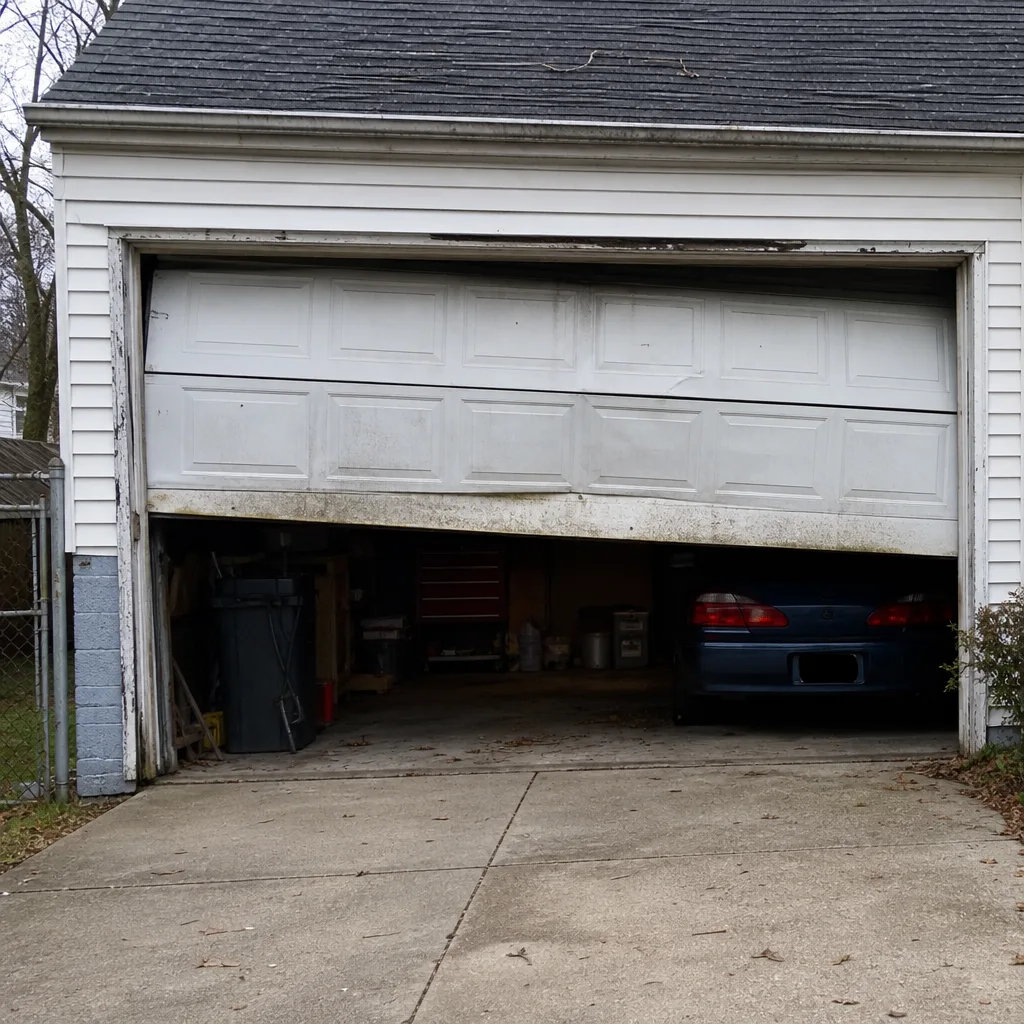 Before
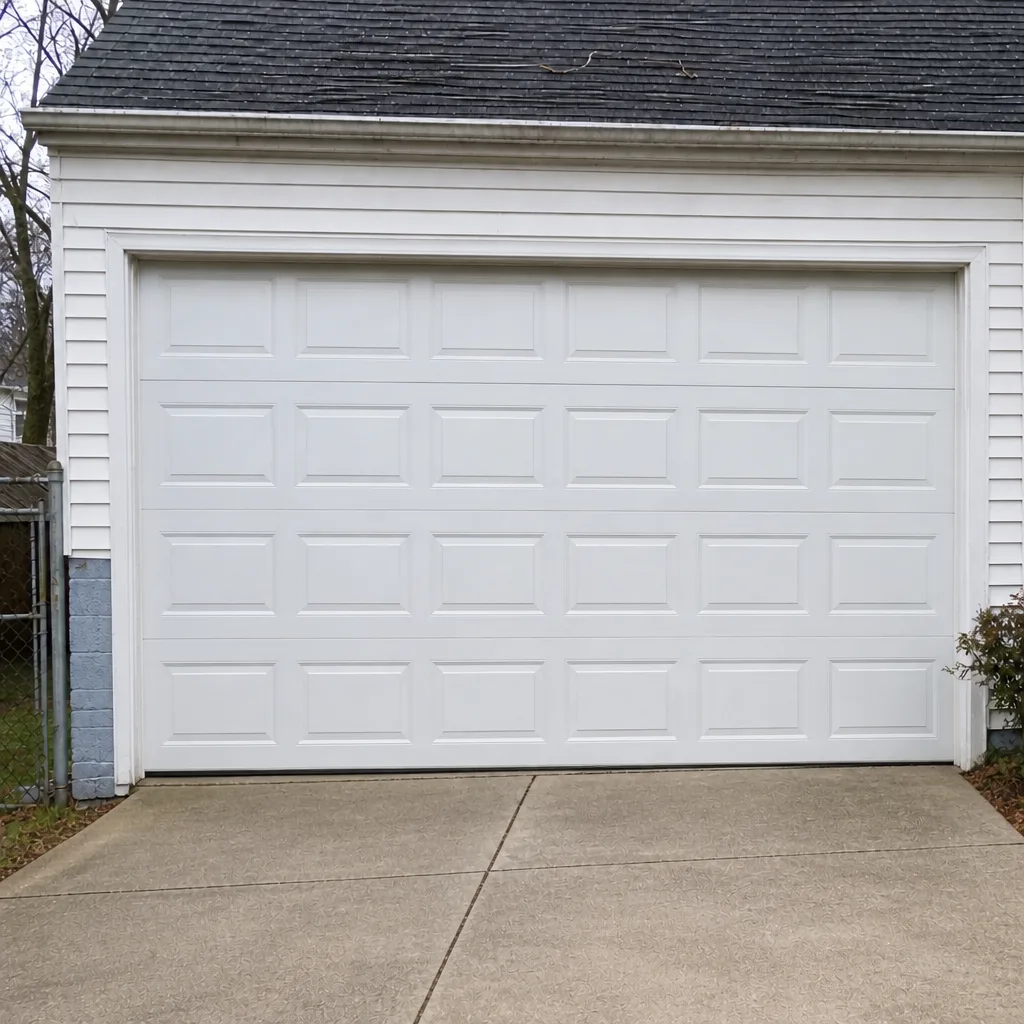 After
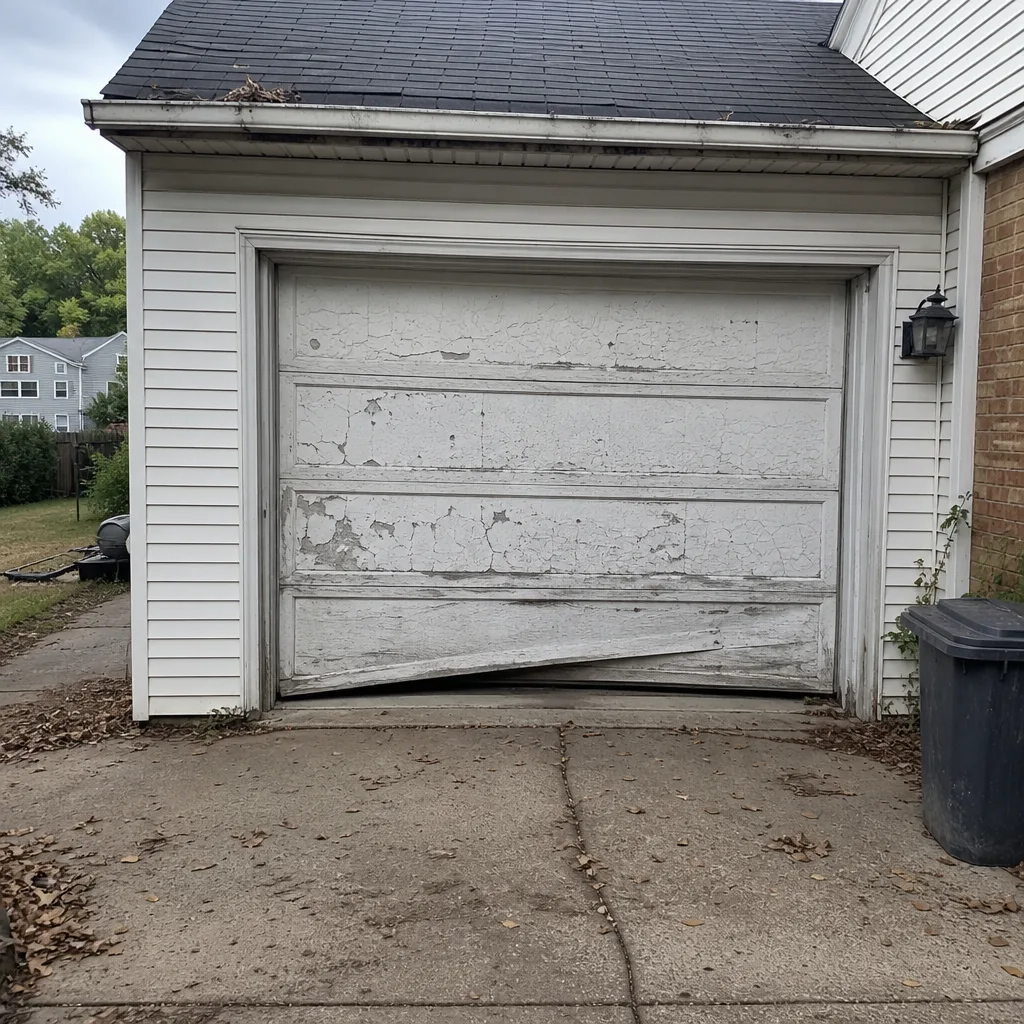 Before
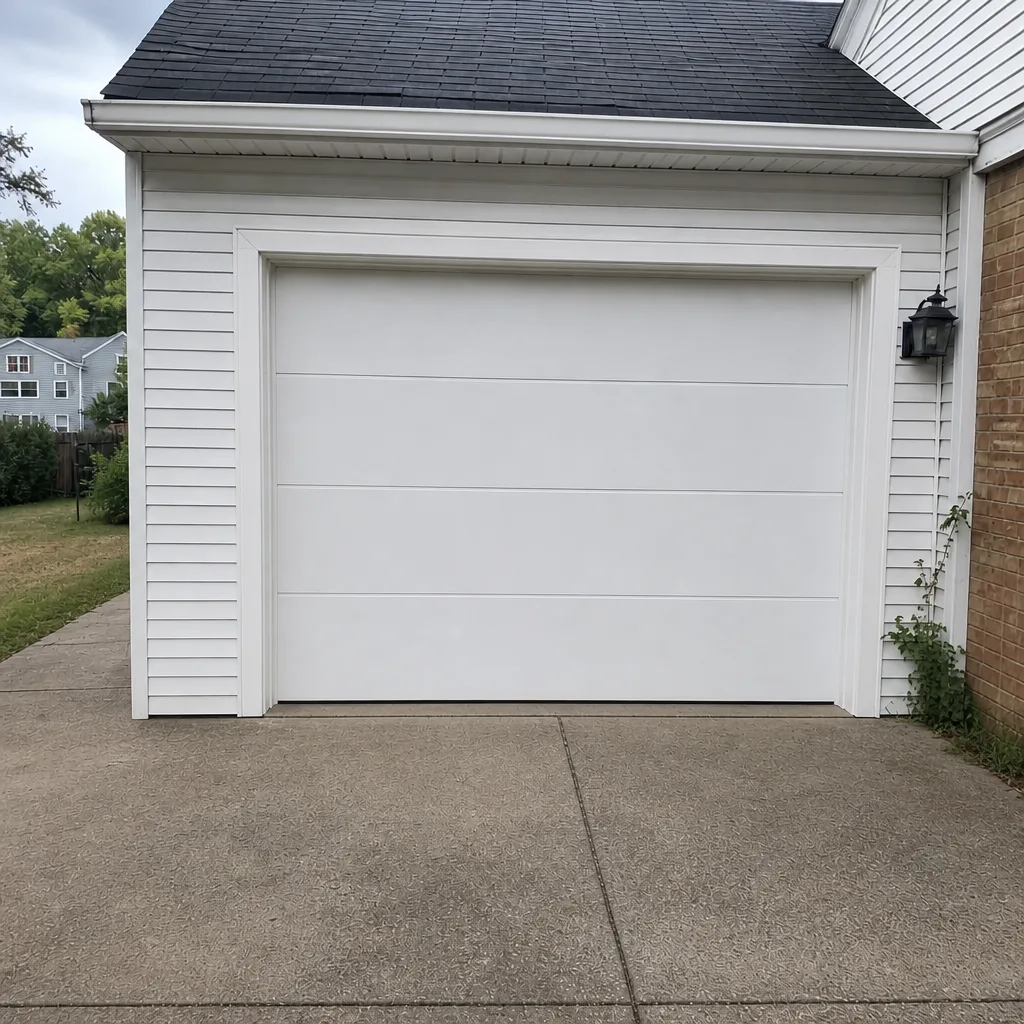 After
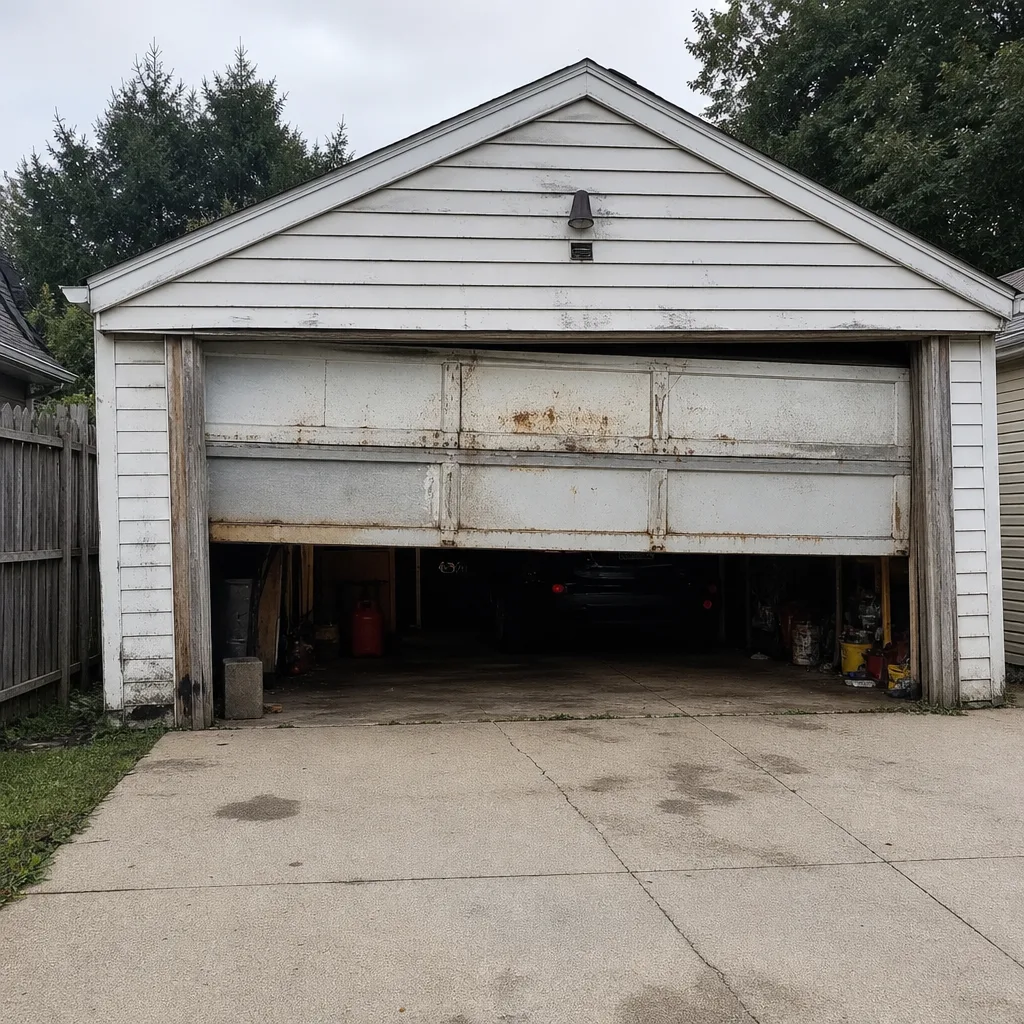 Before
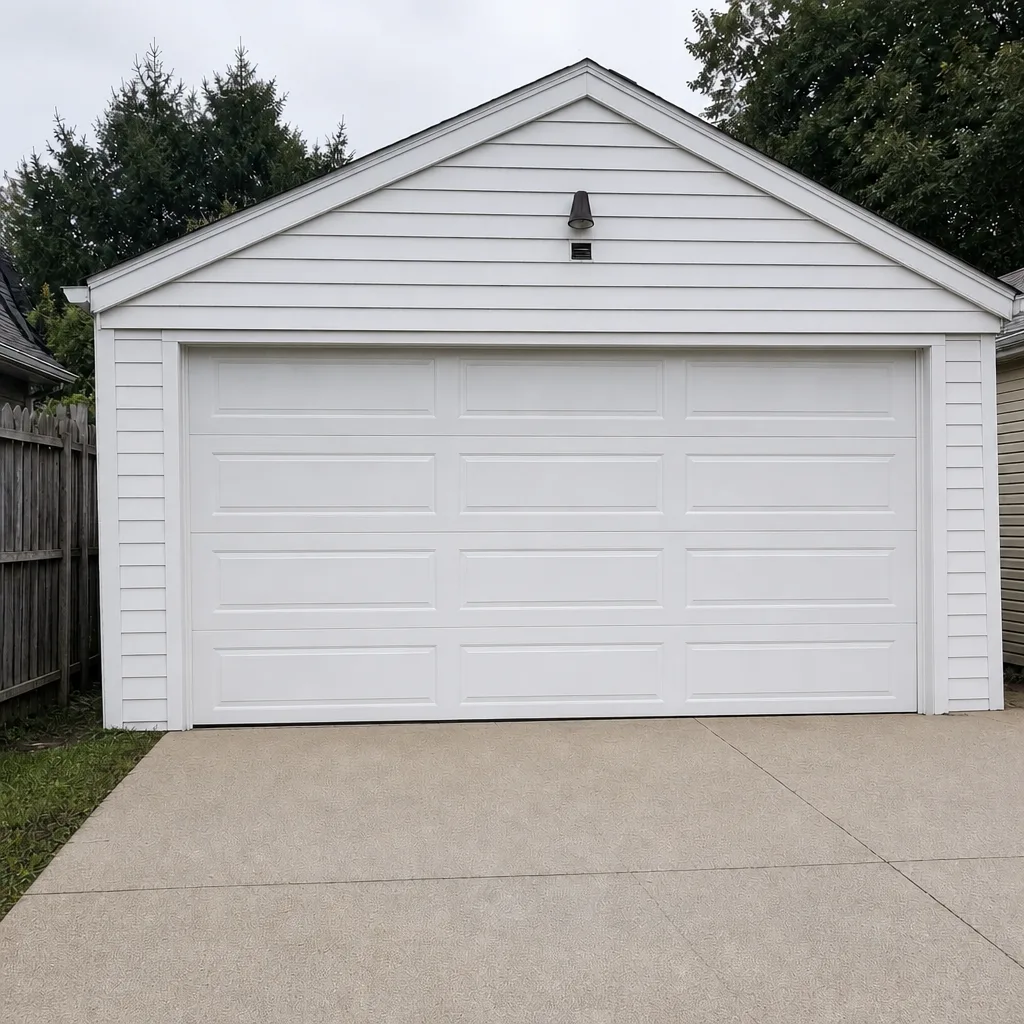 After